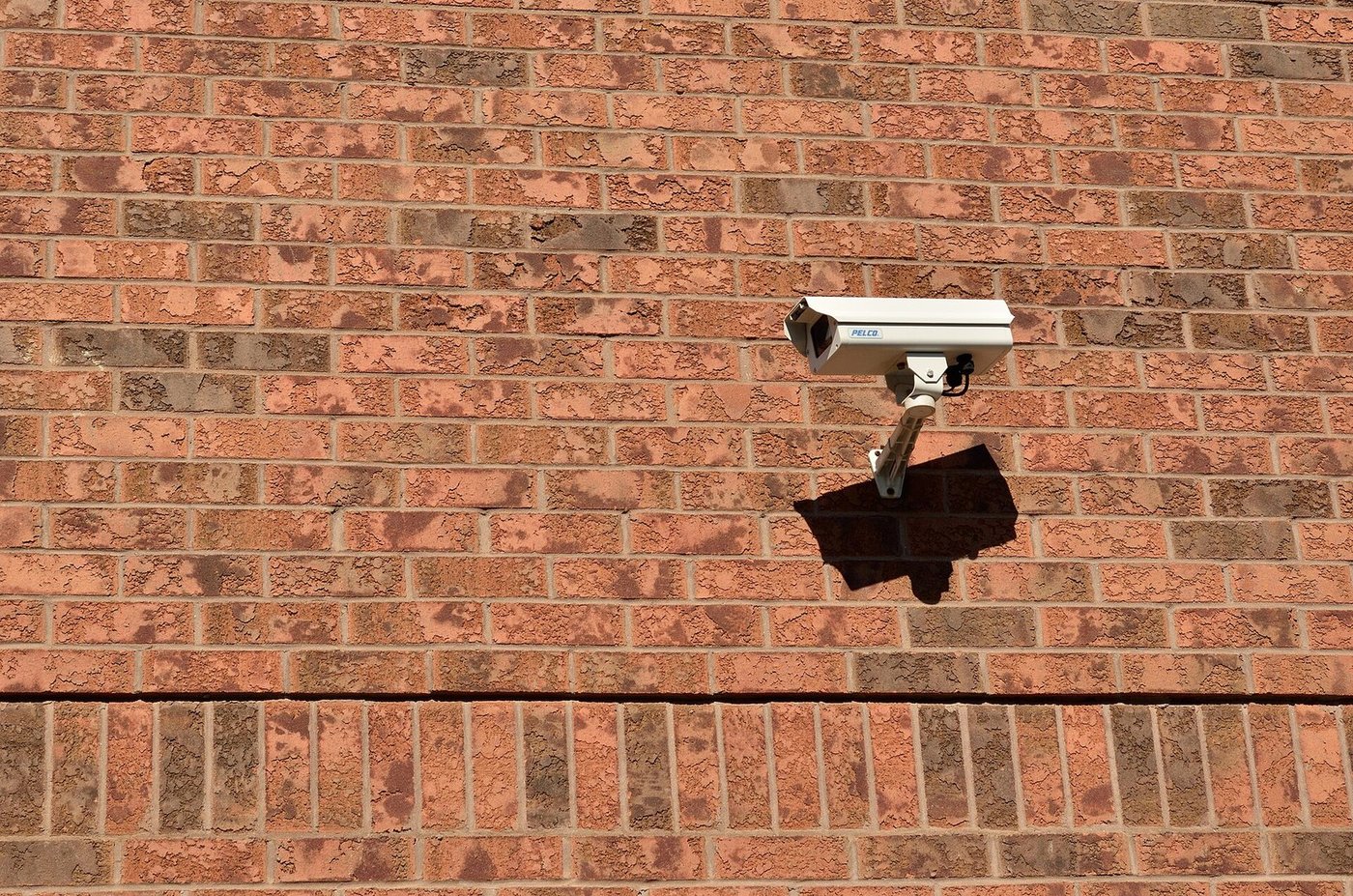
A home security camera that watches everything and remembers nothing: that is how Apple appears to be thinking about its next device for the smart home. The camera Apple is planning will not record video at all, Bloomberg’s Mark Gurman said on his Power On podcast, which went out on October 1. Instead, on-device artificial intelligence will watch the feed in real time and hand the owner only written descriptions and alerts about what it saw. In Gurman’s telling, the design is the exact opposite of what Amazon’s Ring and Google’s Nest do, which is hold onto video clips for the owner to review later.
The idea extends a pitch Apple has been making for years: that computing should happen on the device rather than in someone else’s cloud. An iPhone processes photos on the phone. Health data stays on the watch. A camera that summarizes a scene instead of recording it carries that same logic to the front door, where a Ring or a Nest has historically been a box that uploads footage for storage.
The trade-off is plain. A camera that keeps footage gives its owner evidence: a package thief’s face, the moment a car hit the fence, a record to send to police or an insurer. Apple’s version would give up that record in exchange for the promise that no one, not even Apple, holds the video. For a company whose marketing has leaned on the line that privacy is a fundamental human right, the appeal is obvious. For a buyer deciding between two doorbells, the missing tape is a real cost.
Apple has already built a privacy-minded option for the camera owners it serves. HomeKit Secure Video, introduced in 2019, analyzes footage on a home hub such as a HomePod or an Apple TV, encrypts the clips end to end, and stores them in iCloud where only the owner can unlock them. That feature still keeps video; it just locks it up. The camera Gurman describes goes further, keeping nothing at all.
The move also fits the direction of Apple Intelligence, the on-device AI push Apple has marketed as both faster and more private than sending every request to a server. A camera that does its own analysis locally needs enough processing power to make sense of a scene, of motion, of a person, of a package, and to turn all of that into plain text a user can read in a notification. That is a heavier technical lift than recording pixels, and it is part of why the product would stand apart from a commodity security camera.
The hardware for such a device already exists inside Apple’s other products. The Neural Engine in the company’s A-series and M-series chips has spent years running image recognition on the phone itself, powering Face ID, photo search and the live text that pulls words out of a picture. Pointing that same silicon at a doorbell feed is a smaller step than it sounds, even if describing a scene in useful sentences is harder than tagging a face.
Apple has long been a small player in home security. Ring, which Amazon bought in 2018, and Nest, which Google acquired in 2014, dominate the doorbell-and-camera shelf, and they have built their businesses on subscriptions that store clips in the cloud. Apple’s Home app, its HomePod speakers and its Apple TV boxes have made it a fixture of the smart home without ever making it the leader. A camera that refuses to record would be Apple trying to win a market by betting on the one thing the incumbents are worst at: not keeping data.
The choice also changes the economics. Ring and Nest earn much of their money from subscriptions that store and surface clips, a revenue stream a camera that keeps nothing cannot have. Apple has shown little appetite for that model, preferring to fold its services into the iCloud tiers it already sells. A camera that stores nothing is a camera with nothing to bill you for every month, which may be as deliberate as the privacy pitch itself.
What Gurman’s report describes is a plan, not a product with a price, a name or a release date. Apple has not announced such a device, and the company routinely declines to discuss products that are not yet public. Plans inside a company this large have a way of shifting before they reach a store shelf.
The gamble runs on software as much as on silicon. A camera that reports the wrong thing, a package mistaken for a person, a visitor described as a threat, loses trust faster than a recorder that simply shows what happened. Apple would be asking customers to believe a summary instead of watching the footage themselves, and a summary is only as good as the model that writes it.
The open question is whether a camera that keeps no video can satisfy the people who buy cameras precisely because they want a record. Text descriptions and alerts may tell a homeowner that someone was at the door; they will not show a police officer what that someone looked like. If Apple ships the device, it will be testing whether a privacy promise can beat a tape when the two are put in front of a customer who has to choose one.