
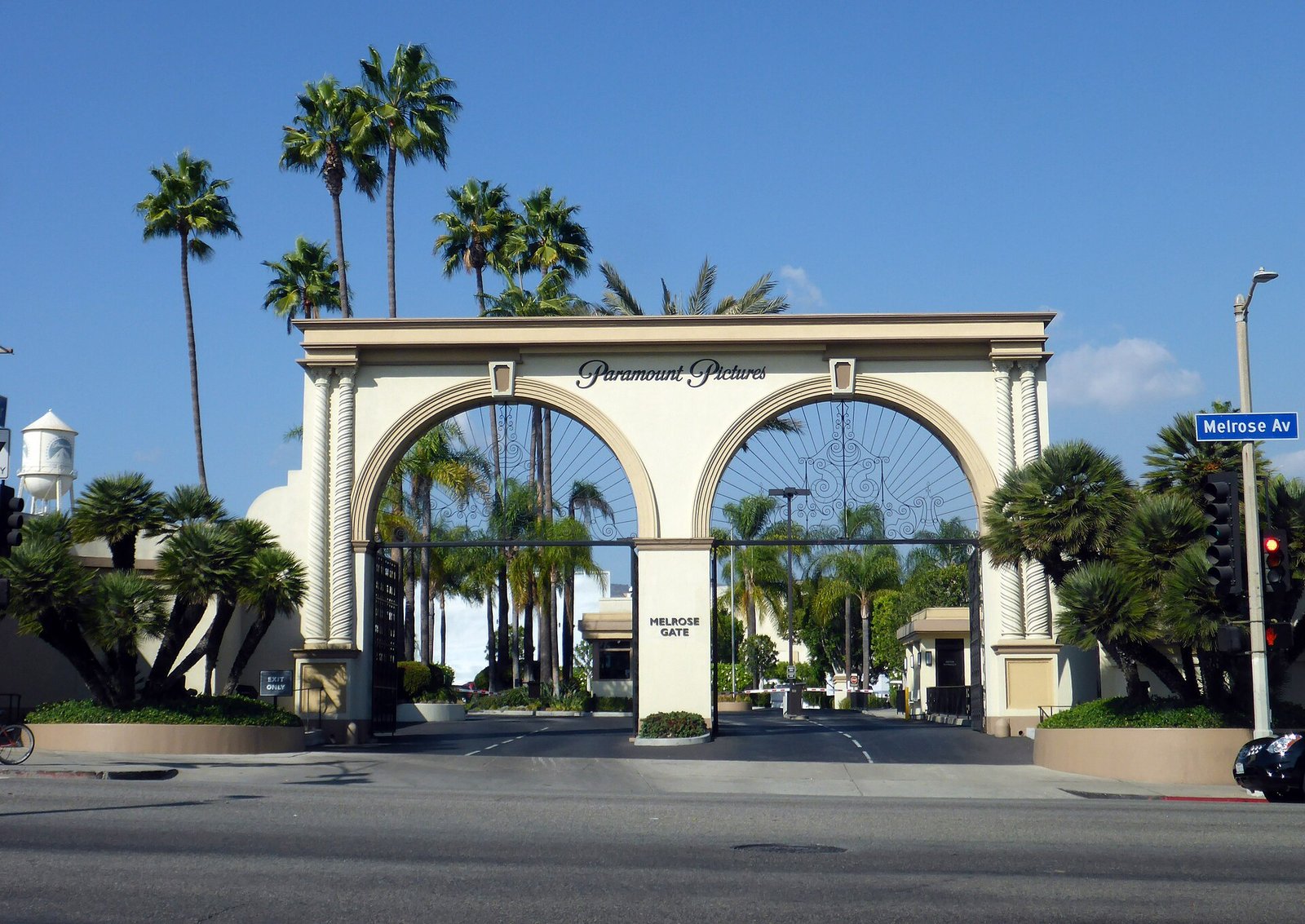
David Ellison built the name Skydance over two decades, starting with a film and television production company he founded in the mid-2000s. On October 2, he put that name on top of something much larger: the company that will emerge when Paramount and Warner Bros. Discovery finish merging. The combined Hollywood giant will be called Skydance, Ellison announced in a post on X, reviving the banner he first hung over a small production outfit two decades ago.
The name resolves one of the last open questions about the deal, which is valued at roughly $110 billion including debt and is expected to close on October 6. When it does, the content libraries, television networks, and streaming services of two of Hollywood’s oldest studios will sit inside a single company whose name comes from neither of them.
The choice is deliberate. Skydance, which took control of Paramount last year, had been operating as Paramount Skydance, a name that kept the century-old studio brand front and center. Ellison said the new corporate name was designed to give the combined company an identity of its own while leaving Paramount and Warner Bros., along with brands like HBO, CNN, DC, Nickelodeon, and the Discovery networks, in the spotlight.
“We never wanted a new corporate identity to diminish, alter or overshadow either one,” Ellison wrote in the announcement. “Instead, we wanted a name that would give the combined company an identity of its own while allowing Paramount and Warner Bros. — and all our extraordinary brands — to remain in the spotlight.”
The merger has been a year in the making and has survived a run of legal obstacles. Paramount first reached an agreement to buy Warner Bros. Discovery in February 2026, in a deal that valued the target at about $81 billion in equity and roughly $110 billion in enterprise value once debt was included. Regulators in dozens of jurisdictions signed off, but a coalition of twelve state attorneys general, led by California, sued to block the combination on antitrust grounds, arguing it would concentrate too much power in film, television channels, and streaming.
A settlement approved by a federal judge on September 30 cleared the way. Under its terms, the combined company must keep releasing a set number of films in theaters each year, increase domestic production spending, and preserve editorial independence at CNN and CBS News through an independent panel. The studio lots in Los Angeles stay open. Hours after the judge signed off, Paramount named Ynon Kreiz, the longtime Mattel chief executive, as co-CEO alongside Ellison; Kreiz takes the operational role on October 5, with Ellison keeping the chairman and chief executive titles and focusing on strategy, creative vision, technology, and capital allocation.
The financing behind the deal is as striking as the name. Ellison’s father, Oracle co-founder Larry Ellison, has personally guaranteed tens of billions of dollars in equity financing, and sovereign wealth funds from Saudi Arabia, Qatar, and the United Arab Emirates have committed additional billions and will hold a combined stake of nearly 40 percent, according to reports. That structure leaves the combined company, which is expected to trade under a new ticker, carrying a heavy debt load as it tries to integrate two studios with different cultures and overlapping businesses.
The Skydance name signals how Ellison sees the company’s future. Skydance was a producer of films and television, including installments of the Mission: Impossible franchise, before it became an acquirer. Reusing the name for the parent suggests the company wants to be read as a creative enterprise first, with the two studio brands operating beneath it rather than being subsumed by it.
The closing on Monday would complete one of the largest media combinations in history and reshape the map of Hollywood. Two of the major studios will sit under one roof, along with their streaming services, their news operations, and a deep catalog of franchises spanning everything from Harry Potter and Game of Thrones to the DC universe. The argument for the deal is scale: enough content, subscribers, and negotiating power to compete with technology giants that have moved into entertainment.
The risk, which Ellison’s branding is meant to address, is that scale crushes the identities that made the studios valuable in the first place. Mergers of this size tend to produce cost-cutting, layoffs, and consolidation of overlapping operations, and the consent decree’s production and independence requirements are partly an attempt to keep that consolidation from eroding the product.
What was once the name of a modest production company is now the label for an entertainment conglomerate that spans film, television, news, and streaming. For Ellison, who built Skydance from a start-up into an acquirer of Paramount and now Warner Bros. Discovery, the name is both a homecoming and a statement of intent: the studios stay, but the company is his.



