
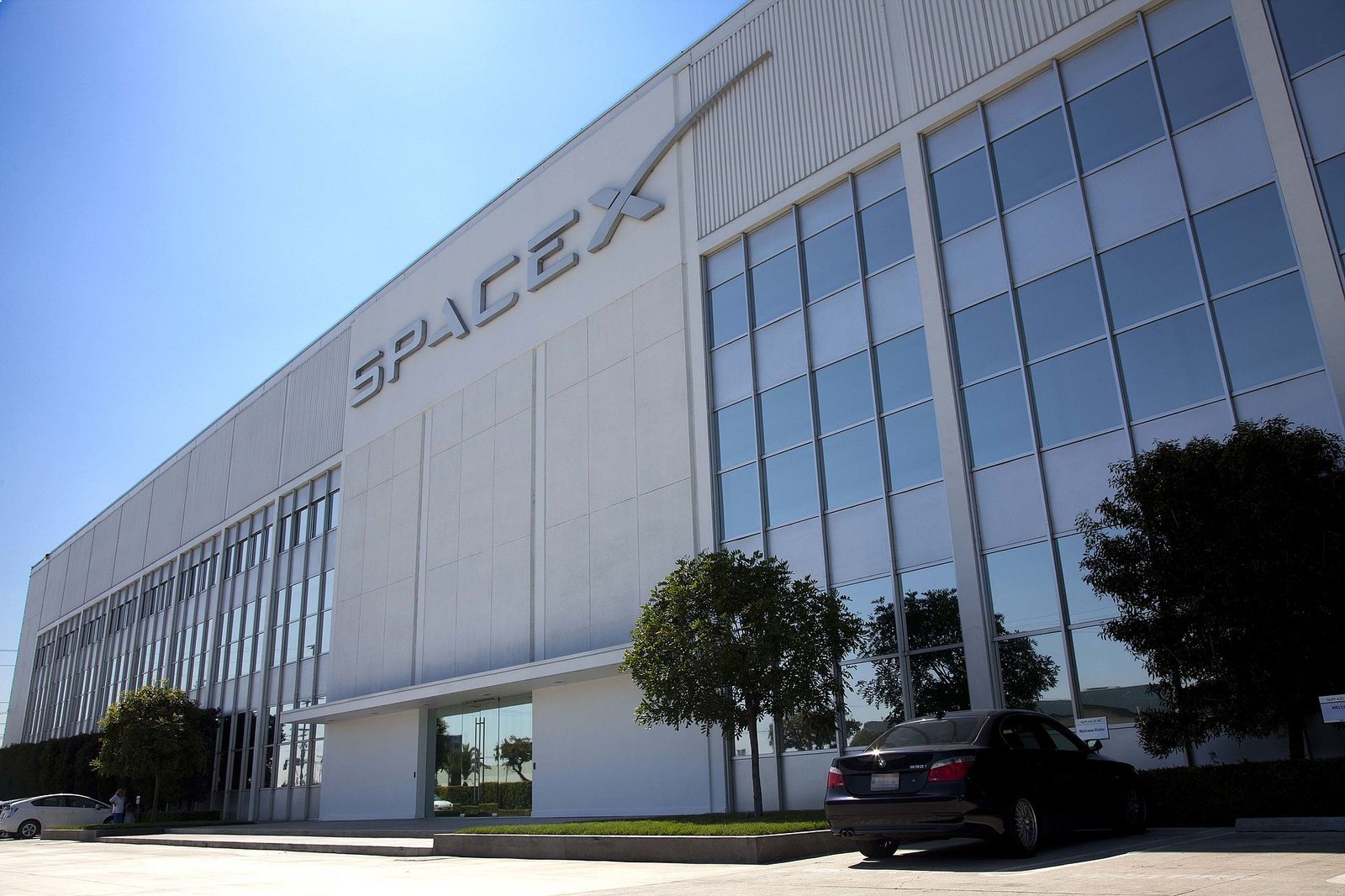
Elon Musk has renamed the AI business folded into SpaceX for the second time in three months. SpaceXAI, the name adopted when xAI was merged into the rocket company in July, will become SpaceXSI, Mars Finance reported on October 4. The reason, in Musk’s telling, is that SpaceX is not an artificial-intelligence company. It is a superintelligence company.
The change is a small edit with a pointed meaning. It swaps two letters. In place of “AI,” for artificial intelligence, comes “SI,” for superintelligence. Musk has argued for years that the real goal is a machine that surpasses human ability across the board, and that the industry’s language ought to say so. The rename brings the company’s own branding in line with that view.
The move follows the White House’s own rebranding. Washington has been replacing “artificial intelligence” with “superintelligence” in official documents, and the administration has set up a working group to advise on the technology under the new name. Musk is making the same swap inside his own company, a step that ties the SpaceX brand to a term that is quickly displacing the older one in both policy and marketing.
The name has had a short, restless life. xAI, the startup Musk founded to build the Grok chatbot, was folded into SpaceX in July and rebranded SpaceXAI. The merger put the AI work inside a company that already spans rockets, satellites, and chipmaking ambitions. Three months later, the unit gets another name, this time one that drops “artificial” altogether and reaches for the farthest label in the field.
Name changes like this are cheap, which is partly the point. They cost nothing and carry a signal. By calling SpaceX a superintelligence company, Musk is claiming for it the same frontier the biggest labs are chasing, and telling customers, investors, and regulators that his ambitions do not stop at a helpful chatbot. The word does two jobs at once: it marks his ambition and distances him from the humbler framing his rivals still use.
There is more behind the rename than language. Musk has been building the physical layer to match the label. A chipmaking project backed by SpaceX and Tesla, called Terafab, is in talks with TSMC about manufacturing, and its output is meant to supply Tesla, SpaceX, and the AI unit exclusively. Musk confirmed the talks in early October. The rename fits a company that wants to control its own silicon, not just its own models.
Musk’s history with the technology gives the label weight. He was an early backer of the lab that became OpenAI, later fell out with it, and has since spent years arguing both that advanced AI could be dangerous and that he intends to build it anyway. Grok, the chatbot xAI shipped, competes with OpenAI’s ChatGPT and Google’s Gemini. The merger into SpaceX gave it a balance sheet and an owner who does not do things by half.
The “superintelligence” label is spreading beyond Musk. OpenAI has teams devoted to the idea that models will eventually outstrip human reasoning, and the term now shows up in government filings and earnings calls alike. Musk’s rename places SpaceX inside that framing at a moment when the word is carrying more weight than it used to.
Part of the calculation is regulatory. What a company calls itself shapes how it is talked about in hearings and filings, and a word like “superintelligence” sets a different expectation than “AI.” Musk has spent years warning regulators that the technology is dangerous; calling his own company a superintelligence company gives those warnings a specific address.
Analysts were quick to note that a rename does not change what the unit actually builds. SpaceXAI and SpaceXSI will, for now, ship the same products and answer to the same owner. The test of the new name will be whether the hardware, the models, and the money line up behind it. A brand can be changed in an afternoon; a superintelligence cannot.
The stakes for the rename reach past SpaceX itself. Musk sits across the table from TSMC, from regulators in Washington, and from the biggest investors in AI, and each of those audiences reads company names differently. A unit called SpaceXSI asks to be measured against the frontier of the field, not against the chatbots that came before it. Whether the company can hold that position is a longer test than a name.
For now the rename is a marker of where Musk wants the conversation to go. He has renamed rockets, renamed the AI unit twice, and now named a company after the most ambitious idea in the field. The letters on the door have changed. Whether anything behind the door changes with them is the question the next several quarters will answer.



