
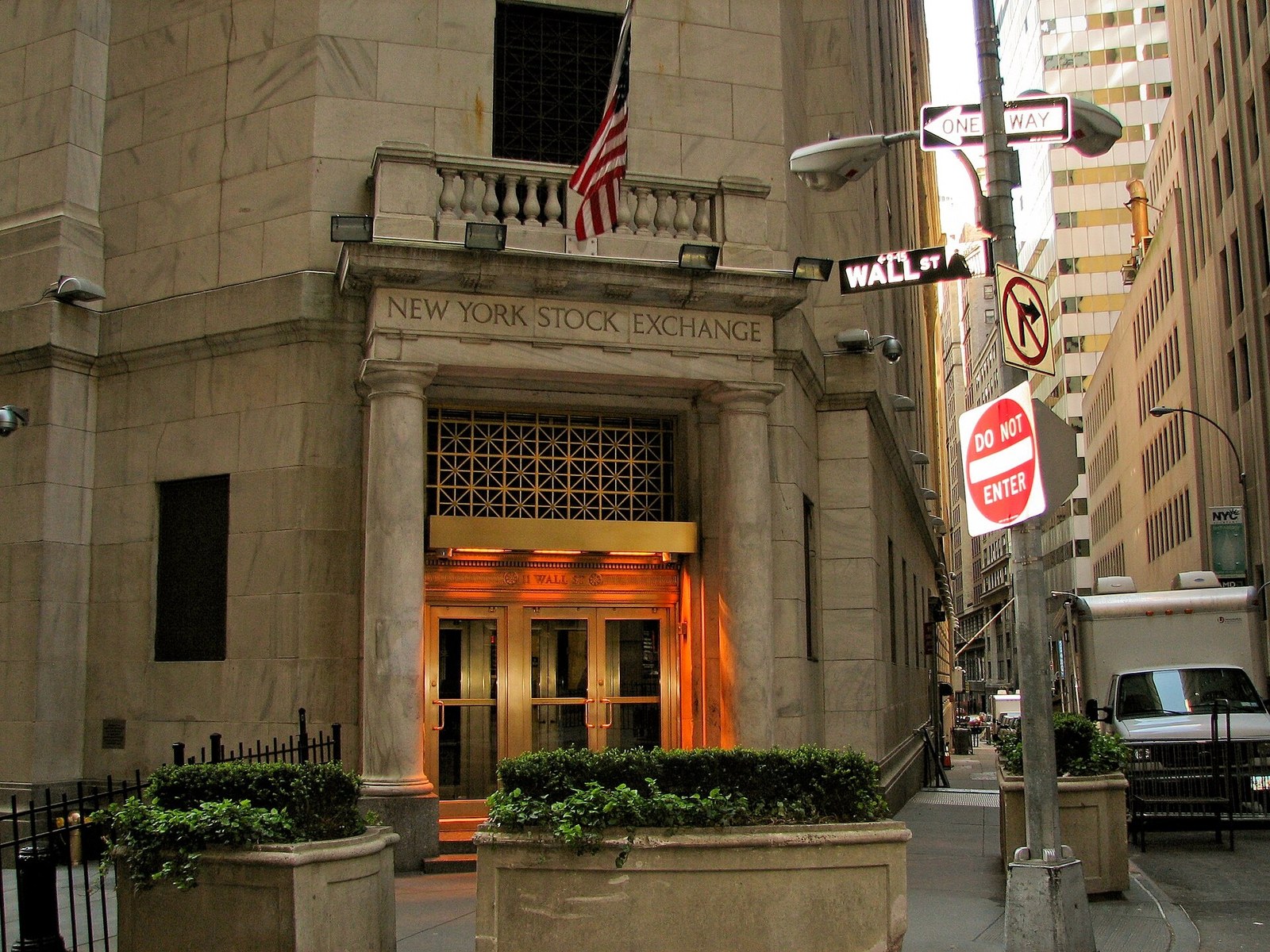
At 11 p.m. on a December evening, an investor in Hong Kong will be able to send an order to the Nasdaq and see it filled before most of New York has gone to sleep. Starting December 6, the Nasdaq, NYSE Arca and two other core exchanges will run an overnight session from 9 p.m. to 4 a.m., leaving a single hour of downtime, from 8 p.m. to 9 p.m., for system maintenance each day. The U.S. stock market, in other words, is about to trade for 23 hours out of every 24.
The change pushes equities toward a nearly round-the-clock market, a goal that retail brokers and overseas investors have pressed for years. But the money behind that demand is still modest, and the professionals who trade for a living are approaching the new session with visible caution.
Overnight trading now accounts for roughly 1% of total U.S. stock volume, according to Securities and Exchange Commission data. What the figure lacks in size it makes up for in momentum: overnight volume rose 358% from a year earlier. In the second quarter, overseas investors supplied 37% of overnight trading. In August, just 15 stocks accounted for half of all overnight volume, a list that frequently included stocks priced below one dollar and registered in mainland China and Hong Kong.
That concentration is precisely what worries the institutions. David Easthope of Crisil Coalition Greenwich said the core concern is market quality in the extended hours, the depth of liquidity and the spread between what a buyer will pay and what a seller will accept. Joseph Saluzzi of Themis Trading noted that even the pre-market and after-hours sessions combined account for only about 10% of total volume. Jeff O’Connor of Liquidnet said institutions are holding back, watching how the session develops before committing capital.
Their hesitation has a simple logic. A market that runs through the night is only as good as its ability to absorb an order without moving the price. If a modest retail order can nudge a low-priced stock several percentage points, the session works for small trades but not for the block orders that mutual funds and pensions need to execute. The exchanges are betting that extending the hours will deepen the market over time; the institutions are waiting for evidence that it actually has.
The plumbing behind the December start is already in place. The Depository Trust & Clearing Corporation switched to a 24-by-5 operating model in June, and the Securities Information Processors that distribute stock quotes were approved to extend their running hours. The overnight session is, in that sense, the final piece of a system that has been under construction for months, built first at the clearing layer and now opened at the exchange layer.
The push toward longer hours also reflects a shift in who trades U.S. stocks, and when. Overseas investors, particularly in Asia, want access to American markets during their own daytime. Retail platforms have turned after-hours trading into a selling point for their apps. The exchanges, which collect fees from the additional traffic, have every incentive to keep the lights on. What was once a niche served by a handful of off-hours venues is now being absorbed into the core exchanges themselves.
The open question is whether volume will follow the hours or stay bunched in a few names. If the overnight book remains thin, the new session risks becoming a venue for the smallest and most volatile stocks, where a handful of orders can set a price that bears little relation to what the same share fetched at noon. That outcome would produce a market that is open longer but not deeper, a result nobody on either side of the trade wants.
There is a competitive angle as well. Exchanges that sit out the change risk watching order flow migrate to rivals and to the trading firms that already run their own overnight matching engines. Extending hours is partly an offensive move, a way to pull business back inside the public markets, and partly a defensive one, an acknowledgment that the closing bell stopped marking the end of the trading day years ago.
The international pattern gives the experiment some precedent. Digital-asset markets never close, and futures linked to U.S. equity indexes have traded through the night for decades. What is new is that ordinary stock trading, the kind that sets the price a company uses to value its own shares, is moving toward the same schedule. For a market that still measures its history in the tick of a bell, that is a larger step than the one extra hour of downtime would suggest.
For now, the hour between 8 p.m. and 9 p.m. remains the market’s only pause, a nightly window for the maintenance that keeps the entire system from seizing up. What fills the other 23 hours, real liquidity or mostly retail curiosity, is the experiment Wall Street is about to run on itself. The exchanges have set the calendar. The institutions, by their own account, are not yet convinced there is anything worth showing up for.



