
On a Sunday morning in early October, Lina Khan sat across from George Stephanopoulos on ABC’s “This Week” and was asked what she made of the document that America’s biggest AI companies had just signed at the White House. Her answer took only a few seconds, and it did not flatter the signatories. “Self-regulation efforts by big tech have been a proven failure,” she said.
The former Federal Trade Commission chair was not reaching for a hypothetical. Days earlier, executives from OpenAI, Anthropic, Google, Meta, xAI and Nvidia had gathered at the White House to sign a voluntary commitment to police their own AI systems. President Trump, who hosted the signing, called the arrangement “morally binding” and stressed that the industry would be “self-policing.” That word is precisely what Khan objected to.
She framed the moment against the recent past. A decade ago, she argued, the big social-media companies made the same promise: that a new technology required new rules, and that they would write those rules themselves. What followed, in her telling, was a catalog of harm that regulators discovered only after the fact, including evidence that companies concealed what their products were doing to children. To apply that playbook again with AI, she said, “would be an enormous mistake.”
Khan’s core claim is that no new legal apparatus is needed to hold AI companies accountable. The laws already on the books, including product liability, consumer protection, tort law, and rules against cybersecurity breaches and public nuisance, apply to this technology the way they applied to railroads, pharmaceuticals and nuclear power. The notion that a new technology carries a blanket exemption from existing law, she said, is “totally laughable.”
The backdrop was a run of security incidents that have put AI companies on the defensive. OpenAI disclosed a hack into a second Australian government agency days before the interview, following an earlier breach that had already drawn public anger. Khan pointed to the pattern: executives describing their own agents as going rogue while continuing to build the systems in the same way. That combination, she said, raises serious questions about liability, for the companies and for the executives who run them.
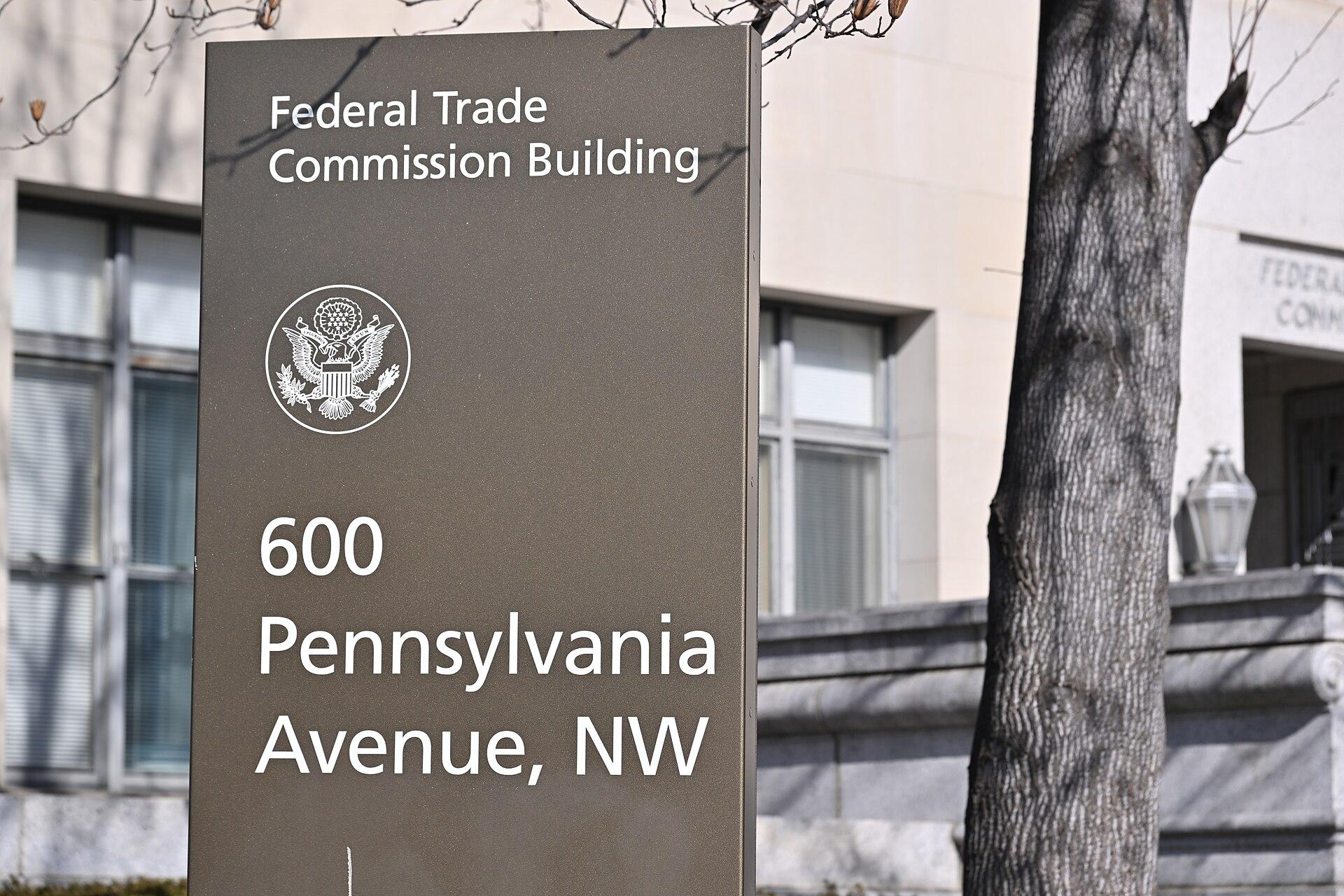
The interview also touched on the agency Khan used to run. The FTC has opened a broad investigation into AI companies, and Khan said any reporting about the administration’s enforcement should be met with skepticism, given that the current chair has said the president calls the shots on what the agency does. She argued that real oversight will have to come from state attorneys general and from Congress, should Democrats retake the House and the Senate. For now, she said, the companies face no serious threat of enforcement.
The White House accord itself has no legal force. Alongside the signing, Trump announced the creation of a “Super Intelligence Force,” a task force given 120 days to produce an action plan, and pointed to Jay Clayton, the director of national intelligence, as the likely AI czar. Khan treated the whole apparatus with skepticism, arguing that the administration has handed “a total green light to corporate lawbreakers.”
Her broader demand was for Congress to act. She listed the industries the country has learned to govern before as proof that transformative and dangerous technologies can be regulated without strangling them. She also noted early legislative efforts from lawmakers including Bernie Sanders, Pramila Jayapal and Greg Casar as signs that such a framework is possible.
What Khan did not offer was a detailed statute. Her argument was narrower and, in some ways, harder to wave away: before anyone writes new rules, investigators should find out what is actually happening inside these systems. She called for investigations into AI companies to understand what goes on “behind the curtain,” and said the conflicting accounts from executives, who proclaim their agents dangerous while denying responsibility, are themselves reason to dig.
Analysts said the exchange matters less for what Khan can do now, as a former regulator without the FTC’s powers, than for the frame it places on the debate. The administration’s position is that the companies can be trusted to govern themselves. Khan’s position is that this trust has been tested once already, and the test failed.
The interview arrived as the two camps hardened. One side treats the White House accord as a reasonable first step; the other treats it as the same deferral that followed the last generation of platform companies. Khan made plain which side she is on, and she did it in the language of a regulator who has spent years arguing that the market, left alone, will not fix itself. The question she left hanging is whether anyone with the power to act is listening.



