
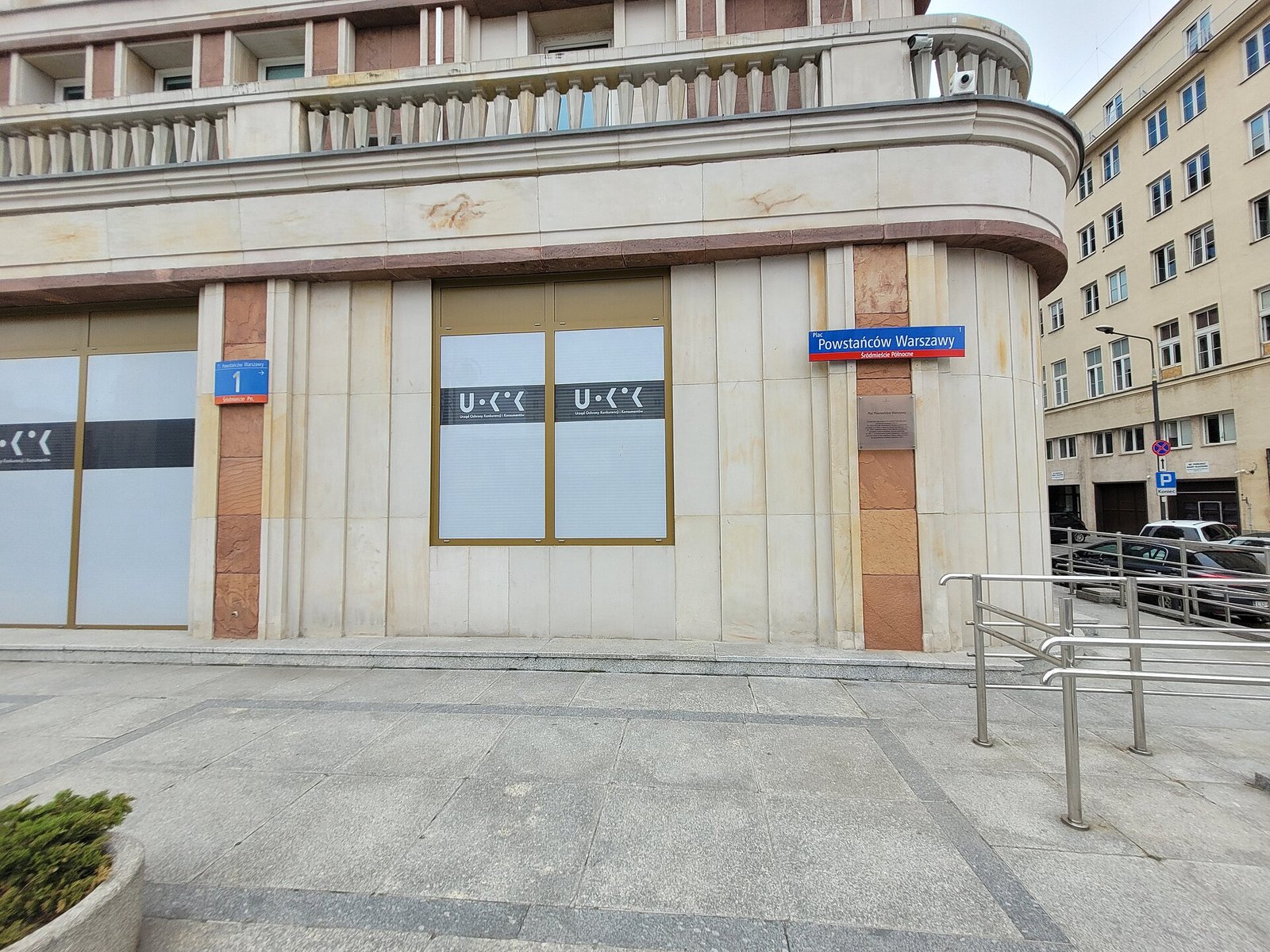
A Polish publisher trying to work out what Google should pay to display its headlines and the short previews known as snippets runs into a wall early: the numbers that would tell it what the content is worth sit on Google’s side of the table. On Monday, Poland’s competition regulator said that imbalance is not a quirk of the negotiation. It is the point.
The Office of Competition and Consumer Protection, known by its Polish initials UOKiK, accused Google on October 5 of abusing its dominant market position while negotiating payment for news content. The charges, the regulator said, cover how the company sets remuneration for displaying articles and snippets in Google Search, Google News, and Discover.
The regulator named four entities in its statement: Alphabet Inc., Google LLC, Google Ireland Limited, and Google Poland. None of them responded to a request for comment, the regulator said.
UOKiK’s allegation is specific. Google failed to provide publishers with the data they needed to assess its offers, the regulator said, leaving an information gap that made genuine negotiation impossible.
“Big tech companies cannot place themselves above the law,” UOKiK President Tomasz Chrostny said, adding that the lack of data made the talks “illusory” and tilted toward Google imposing terms.
The maximum fine for abusing a dominant position can reach 10% of a company’s turnover, the regulator noted.
The case traces to a 2024 amendment to Polish copyright law that implemented a European Union directive giving press publishers a right to payment when online platforms use their content. The 2019 directive was meant to rebalance a relationship in which platforms had come to distribute journalism while capturing most of the advertising that once funded it.
In practice, the directive moved the fight into the mechanics of negotiation. Poland is not the first country to test them. In 2021, France’s competition authority fined Google 500 million euros for failing to negotiate in good faith with publishers, and the company has since signed licensing deals with newsrooms across the continent.
The French case established a template. Publishers could not be forced to accept whatever a platform offered, and the regulator could look past the headline payment and into how the two sides actually sat down to talk. UOKiK is now pressing the same line, with one difference: its case is built around the data that never reached the publishers’ side of the table.
Google’s defense, offered in earlier fights across Europe, is that the company already pays for news through programs like Google News Showcase, a licensing product it built to sign up publishers for curated content, and that its search results send readers to publishers’ own sites. The Polish regulator’s charges cut against that argument by focusing on the process rather than the existence of a payment program.
The Polish investigation is separate from a European Commission probe opened in December 2025 into whether Google used publishers’ content in its AI services without adequate compensation or a way to object. UOKiK said it is pursuing its case independently under an agreement with the Commission.
The charges land at a difficult moment for Google in Europe. Courts in the European Union and the United States have already ruled against the company over its advertising-technology business, concluding it gave itself an unfair edge in the market for digital ads.
Last week, a federal judge in New York allowed a group of publishers to press a damages claim of more than $3.2 billion tied to those ad-tech practices. The ruling kept alive one of the largest private actions against the company and signaled that Google’s legal exposure is spreading beyond regulators to the publishers themselves.
For newsrooms, the stakes are not abstract. Publishers across Europe have cut staff as advertising money moved to platforms, and the copyright directive was sold as a partial remedy, a way to force Google and Meta to pay for the journalism their products distribute.
The payments that followed depend on deals struck one by one, and publishers have long argued that Google holds most of the bargaining power in those conversations. The Polish regulator is now asking whether that bargaining power is itself the violation.
UOKiK’s theory is that Google controlled the data publishers needed to value their own content and used that control to keep offers low. If the charge holds, publishers in one member state would gain something they have sought across the bloc: a regulator willing to police how platforms pay, and how the price is set.
Google has argued in similar disputes that it sends readers to publishers and that its services operate within the law. The Polish case will test how far that defense travels when a national regulator points to specific negotiation practices rather than broad market power.
A finding against Google would hand a template to the more than a dozen other member states that have written the copyright directive into national law, and to the publishers pressing their own cases behind them. For a company already fighting ad-tech rulings on two continents, the news-payment front is widening rather than closing.



