
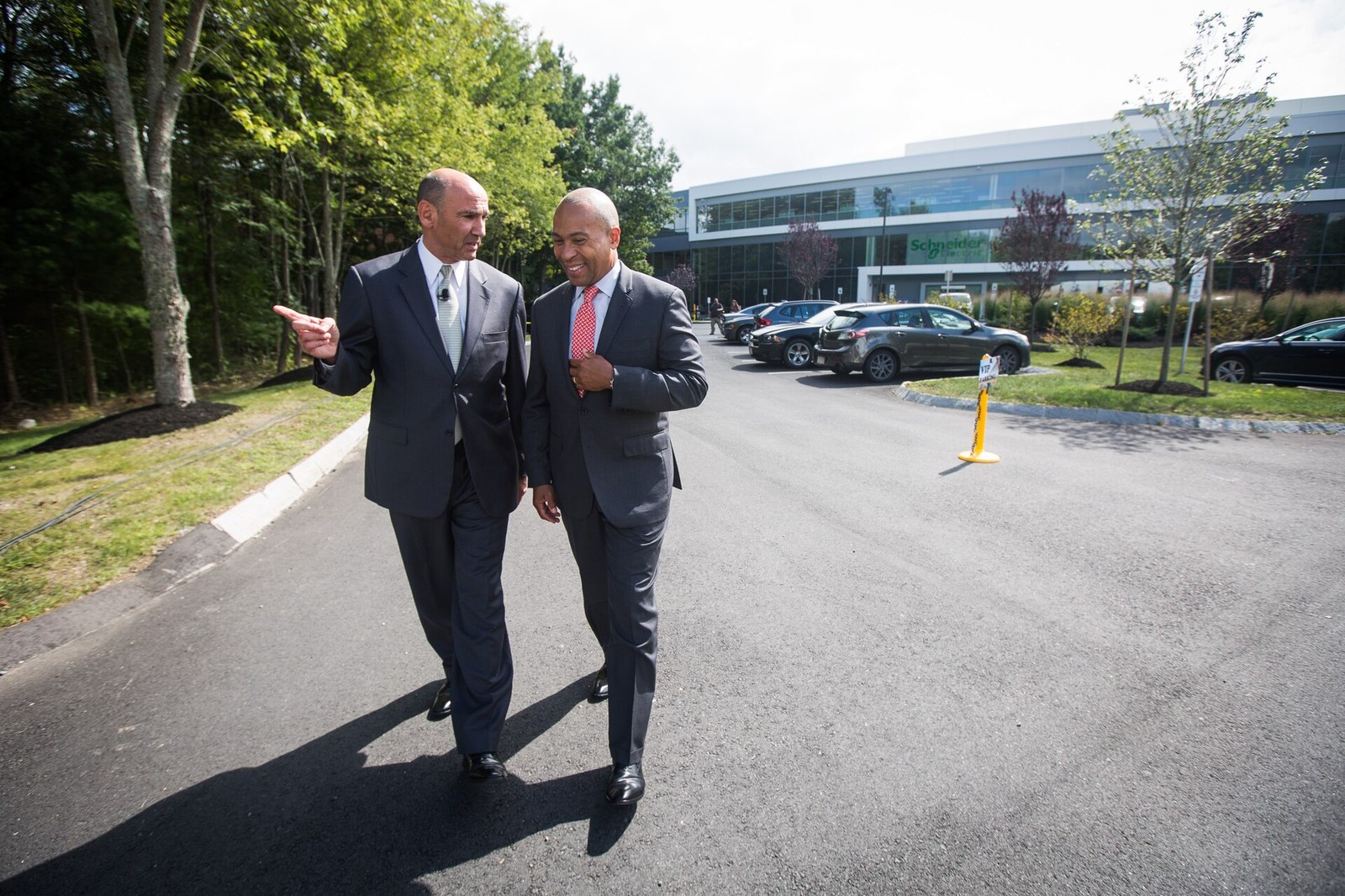
Schneider Electric’s shareholders delivered their verdict within hours of the announcement. The French industrial group’s shares fell as much as 7% on Monday after it said it would pay about $22.6 billion in cash for PTC, a Boston-based industrial software maker, a price that delighted PTC’s owners and unsettled Schneider’s own.
The offer values PTC at $205 a share, a 42.3% premium to its last close of $144.03, the companies said. The deal implies an enterprise value of roughly $23.7 billion for PTC and is expected to close in the third quarter of 2027.
For Schneider, best known for circuit breakers, switchgear and other electrical equipment, the purchase is the sharpest expression yet of a push into software. PTC’s computer-aided design and industrial internet-of-things products will be folded into Schneider’s industrial automation business, giving the French group a position at both ends of the factory: the desk where a product is designed and the network that tracks it after it ships.
PTC is no stranger to enterprise software. Its Creo design tools, Windchill product-lifecycle platform and ThingWorx IoT software are embedded across manufacturing, and the company has spent years recasting itself from a seller of desktop design tools into a subscription software business. That recurring revenue is part of what Schneider is buying.
The premium carries its own message. A buyer willing to pay more than 40% above the market price is signaling that it sees value the public markets have not yet priced in, and analysts read the figure as a wager that software, not hardware, will drive the next phase of industrial spending.
The wager does not come free. An all-cash deal at a 42% premium leaves Schneider with less room for error if the expected overlap in customers and engineering takes longer to materialize than promised. The slide in Schneider’s stock showed how quickly investors can discount that uncertainty, even as PTC shares moved toward the offer price.
Industrial software has been consolidating for years as makers of physical equipment chase the recurring revenue and stickier customer relationships that software brings. Schneider’s own route has run through a string of software acquisitions, and the PTC deal extends that line at a scale the company has not attempted before.
Schneider has spent more than a century as an electrical-equipment company, and it still earns most of its revenue from the switches, drives and distribution gear that keep buildings and factories running. But its executives have argued for years that the value in those systems is migrating into the software layer that controls them, and the PTC deal is the clearest statement of that view. Buying a software house of this size changes the shape of the balance sheet and signals where the company believes its next decade of growth will come from.
The field is crowded. Siemens has built a large software operation of its own, and Rockwell Automation and others have bought their way into design and operations tools. Schneider’s move puts it more directly in competition with those rivals, while also giving it a software catalog broad enough to sell on its own rather than as an accessory to its hardware.
The transaction also gives Schneider a bigger claim on the energy systems it is trying to sell. Its equipment sits in buildings, data centers and power grids, and software that helps owners run those systems more efficiently ties the hardware to a service that renews year after year. PTC’s design and monitoring tools reach into the same customer base from the product-design side.
For Schneider, the attraction goes beyond the products themselves. A software division produces margins that electrical equipment cannot match, and a customer that commits to design and monitoring software tends to stay for years. Those economics explain why a company that still counts as an industrial manufacturer in the popular imagination has spent this year steering its acquisition budget toward code rather than copper.
There are costs to that choice. Paying in cash means taking on debt at a time when interest rates have made financing more expensive, and the French group will have to reassure its own investors that the deal earns its keep. Analysts noted that a premium this large is usually reserved for targets the buyer believes it cannot afford to lose, and that belief will be tested in the years it takes for the two product lines to meet.
What the market is now asking is whether the price is right. At 42% above PTC’s undisturbed trading level, Schneider is paying for growth that still has to show up. The companies have said the deal should close by late 2027, which leaves more than a year of regulatory review and integration planning before the two organizations are combined. Deals of this size can draw close examination, and a long gap between announcement and closing gives both sides time to defend the logic.
For Schneider, the message is that it intends to be an industrial software company, not merely an equipment maker. For PTC’s shareholders, the offer converts a long, steady transformation into a single cash price. The cool reception in Paris on Monday suggests the harder audience is the first one.



