
The hardest problem in quantum computing is not the math. It is the factory. The exotic chips that run quantum machines have long been made in small batches by the startups that design them, far from the assembly lines that produce the world’s ordinary semiconductors. That is starting to change.
Xanadu, a Canadian company that builds photonic quantum computers — machines that use particles of light rather than superconducting circuits to carry out calculations — said Monday it had struck a multi-year strategic partnership with GlobalFoundries, one of the world’s largest contract chipmakers, to accelerate the manufacturing of quantum chips at a scale approaching practical use.
The agreement, reported by Bloomberg, is a bet that quantum hardware can move off the workbench and onto the kind of foundry line that has made conventional chips cheap and reliable. For a field that has spent years proving its physics in laboratories, the deal is a step toward the harder discipline of manufacturing.
Quantum computing has spent decades promising machines that can solve problems no classical computer can touch — simulating molecules, cracking codes, optimizing vast systems. The progress has been real but slow, and it has come mostly in laboratories. The next phase of the field’s argument depends on whether the hardware can be built the way every other kind of hardware is built: at volume, and at a cost that makes a business case possible.
Xanadu’s approach differs from the most famous quantum efforts. Rather than chilling superconducting circuits to temperatures near absolute zero, it encodes information in photons and manipulates them with silicon-based components — a design its backers argue is better suited to the fabrication techniques GlobalFoundries already runs.
Xanadu’s bet is that light offers a shortcut. Photonic chips run at room temperature, sidestep the elaborate refrigeration that superconducting machines demand, and can be fabricated with processes close to those used for the optical components already moving through data centers. If that bet pays off, the path from prototype to product is shorter than the one facing rival designs.
The partnership matters because of where quantum computing has been stuck. Machines today can run calculations that classical computers cannot, but only in narrow demonstrations, and only with error rates that keep them from real work. Getting to useful machines will take more than better science. It will take millions of chips made consistently — a manufacturing problem, not a research one.
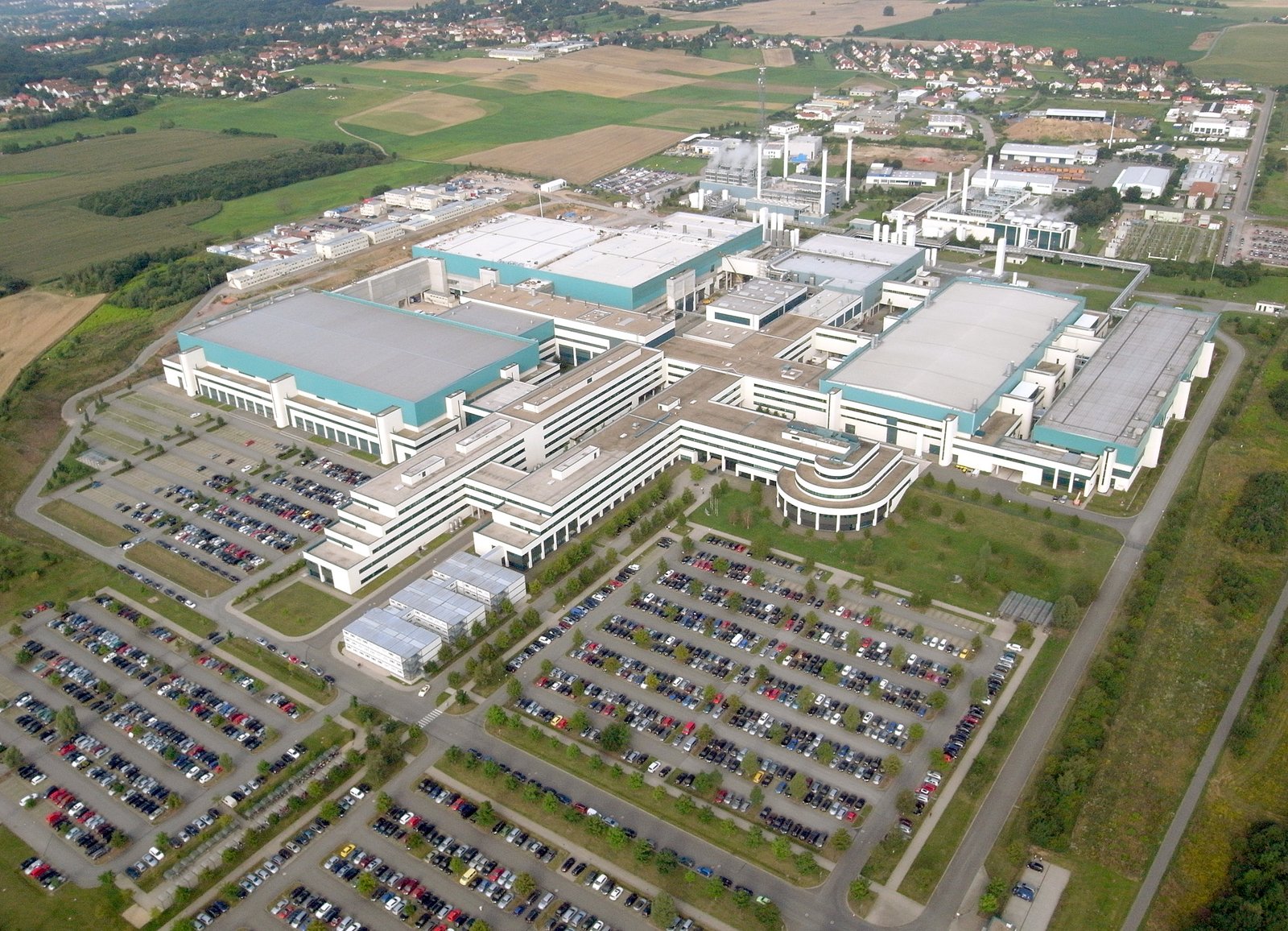
That is where GlobalFoundries fits. The foundry runs factories that produce chips for cars, phones and data centers, and bringing a quantum designer onto those lines means applying decades of process control to a device that has never been made at volume. If the two companies can pull it off, the economics of quantum hardware change.
GlobalFoundries occupies a particular spot in the chip world. It is not chasing the most advanced transistor processes, where TSMC and Samsung dominate, but it runs a broad portfolio of mature factories that make the workhorse chips behind cars, radios and industrial gear. That portfolio, and the process discipline behind it, is what a quantum startup needs more than the bleeding edge.
Making one quantum chip that works is a research achievement. Making ten thousand of them that all behave the same way is a manufacturing achievement, and it is the one the field has not yet cracked. A foundry partnership is, in the end, an attempt to borrow that discipline from an industry that solved the consistency problem a generation ago.
For GlobalFoundries, the deal is a low-cost option on a future it does not yet have to commit to. The company has watched rivals pour money into specialized AI chips, and a partnership with a quantum startup lets it build expertise in a field that could become significant without betting its own balance sheet on it.
Xanadu has been among the most visible of the photonic-quantum companies, raising money from investors who believe its approach can sidestep some of the cooling and error problems that plague superconducting designs. A foundry partnership converts that scientific argument into a supply-chain one: can the chips be made, and made again, with the consistency a product demands.
The timing reflects a broader shift across the industry. Governments and companies have poured money into quantum research for years, and the conversation is now moving from “does it work” to “can it be built.” Partnerships like this one are part of that move, as startups that once guarded their fabrication in-house begin to borrow the scale of the semiconductor industry.
The road is still long. Quantum machines that do useful work remain years away by most estimates, and a manufacturing partnership does not shorten the physics. What it does is remove one of the excuses for delay — the assumption that quantum hardware would forever be a cottage industry of hand-built chips.
For Xanadu, the deal is a claim on the future of its own design. For GlobalFoundries, it is a hedge on a technology that may yet reshape computing. The two companies have agreed to build together; whether the chips they make can do the work the field has promised is the question the next several years will answer.



