
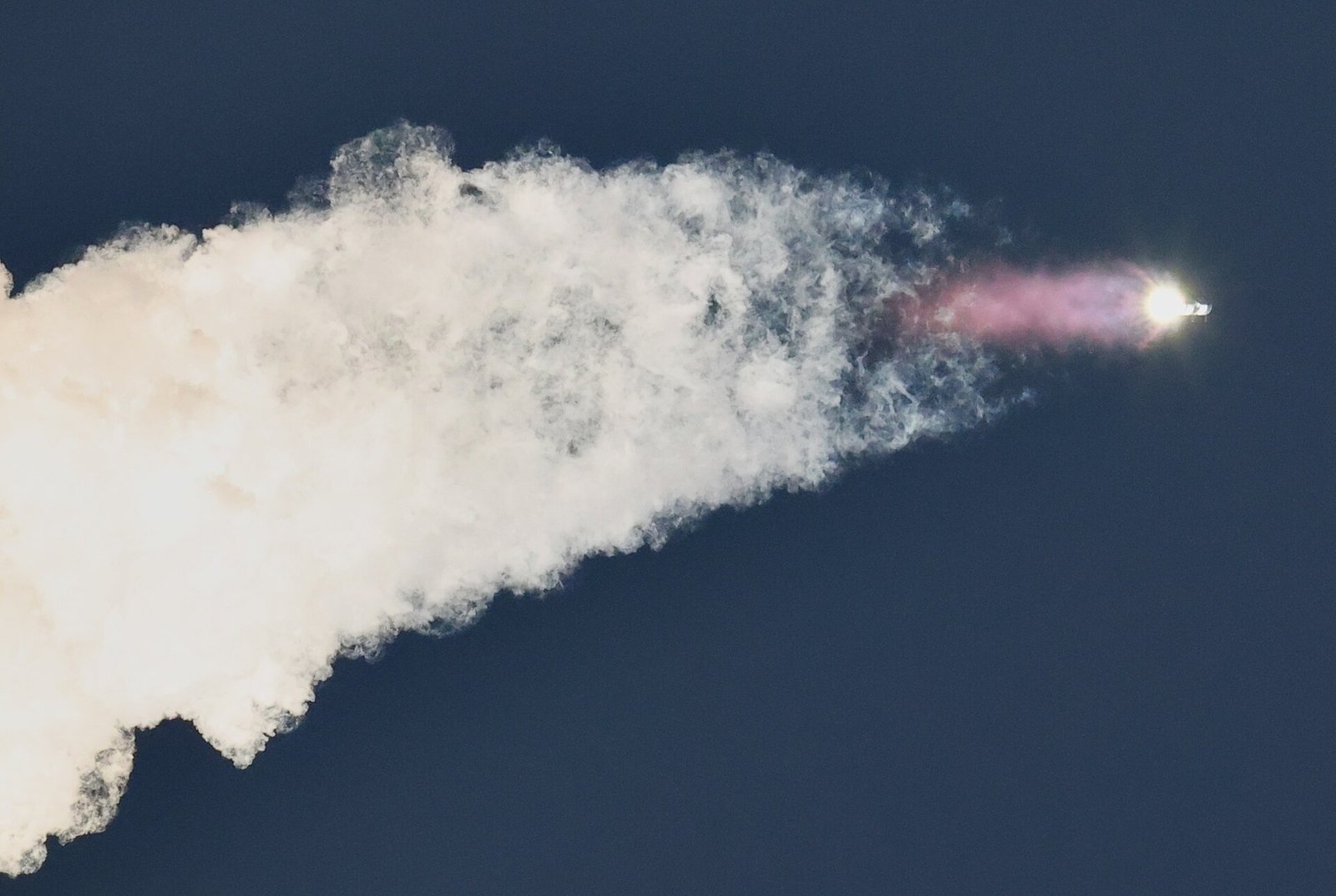
For much of Monday, the math moved in Elon Musk’s favor. A bullish Morgan Stanley research note lifted SpaceX shares 7.63%, and the swing added roughly $30.6 billion to his personal fortune in a single session, according to the Bloomberg Billionaires Index. Combined with a gain in Tesla shares, the move carried his net worth back above the $1 trillion mark, a threshold no one else has come close to crossing.
The figure captures how concentrated this year’s wealth creation has become. In the first nine months of 2026, roughly 100 of the world’s richest technology founders and executives added about $845 billion to their combined fortunes, Bloomberg data show. Over the same stretch, fortunes outside the technology sector shrank. For the first time, the world’s ten richest people are all American, and only one of them, Warren Buffett, built his wealth outside the technology industry.
The cause is not hard to find. The AI boom, the build-out of computing capacity behind it, and the willingness of markets to value that capacity years into the future have converged on a small group of companies and their owners. Musk sits at the center of that convergence, through Tesla, SpaceX, and his artificial-intelligence venture xAI, each repriced sharply upward this year.
SpaceX shows how the repricing works. The rocket maker has yet to go public, but its private-market valuation has become a matter of public dispute. Morgan Stanley has projected the company’s revenue could reach $3.4 trillion by 2040, a number the bank has shared with prospective investors. Musk himself has said his best guess is that SpaceX reaches about $3.5 trillion in annual revenue around 2033, earlier than Wall Street’s estimate. The company reported $18.67 billion in revenue in 2025, up a third from the prior year, with Starlink driving much of the growth.
The mechanics of Monday’s jump were simpler. Morgan Stanley’s note argued that SpaceX’s launch, satellite, and Starlink businesses are worth more than private markets had priced in, according to people familiar with its circulation. The shares, which trade on a secondary basis ahead of a planned initial public offering, rose in response, and Musk’s controlling stake did most of the work.
The broader point is what the climb says about the economy it floats on. A decade ago the world’s richest people drew their wealth from oil, retail, manufacturing, and software sold as a product. Today the list is dominated by people whose fortunes move with expectations about artificial intelligence and the computing it consumes. Musk’s fortune is the largest single expression of that shift, and the fact that the ten richest people are all Americans now, with Buffett the lone non-tech entry, measures how completely the ranking has been remade.
Non-tech wealth, meanwhile, has slipped. Industrialists, retailers, and energy dynasties that once anchored the upper ranks of the index have seen their relative standing erode as AI-related valuations raced ahead. The result is a list in which nearly all the year’s gains flow to a few dozen people whose companies either build AI systems or supply the chips, power, and data centers they run on.
What is new is not the existence of rich founders but the speed at which their paper wealth compounds. The same Morgan Stanley note that moved SpaceX on Monday is part of a wider effort by banks to persuade investors that AI-related companies are worth prices that a year ago would have drawn ridicule. When those arguments land, they reprice an entire class of holdings owned by the people who founded them.
There are reasons to treat the trillion-dollar figure with care. Wealth tied to private companies is marked to prices that change by the week, and much of Musk’s net worth is not cash but shares in businesses whose values rest on projections that have not yet been realized. A one-day gain of $30 billion can reverse if the note that sparked it is revised or the market’s mood turns. A private mark is an estimate, not a bank balance.
Tesla supplied the other half of Monday’s gain. The carmaker’s shares rose alongside the broader AI trade, and Musk’s stake in the company remains his single largest asset. The pairing matters because his fortune now tracks two separate narratives at once: the electric-vehicle transition and the build-out of artificial intelligence. When both move in the same direction on the same day, the result is a swing measured in tens of billions of dollars.
Still, the direction of travel has been consistent. Technology fortunes have widened their lead over every other kind of wealth this year, a gap that reflects the scale of AI-related capital spending and the speed with which investors have agreed to pay for growth that lies years out. The question hanging over the entire group is whether the profits and productivity gains the boom promises will arrive on the schedule the valuations assume.
For Musk, the market has voted yes, at least for now. His fortune is again worth more than a trillion dollars, a number that once seemed absurd and now reads as the price of one man’s bet on rockets, cars, and machines that think.



