
The satellite that came off the line this week carried no special marking, but it was the thousandth Amazon had built. Sometime in the next few weeks, the company plans to turn a constellation of nearly 400 of them into a working internet service and charge American households for it. After six years and a name change, Amazon’s answer to Starlink is about to go live.
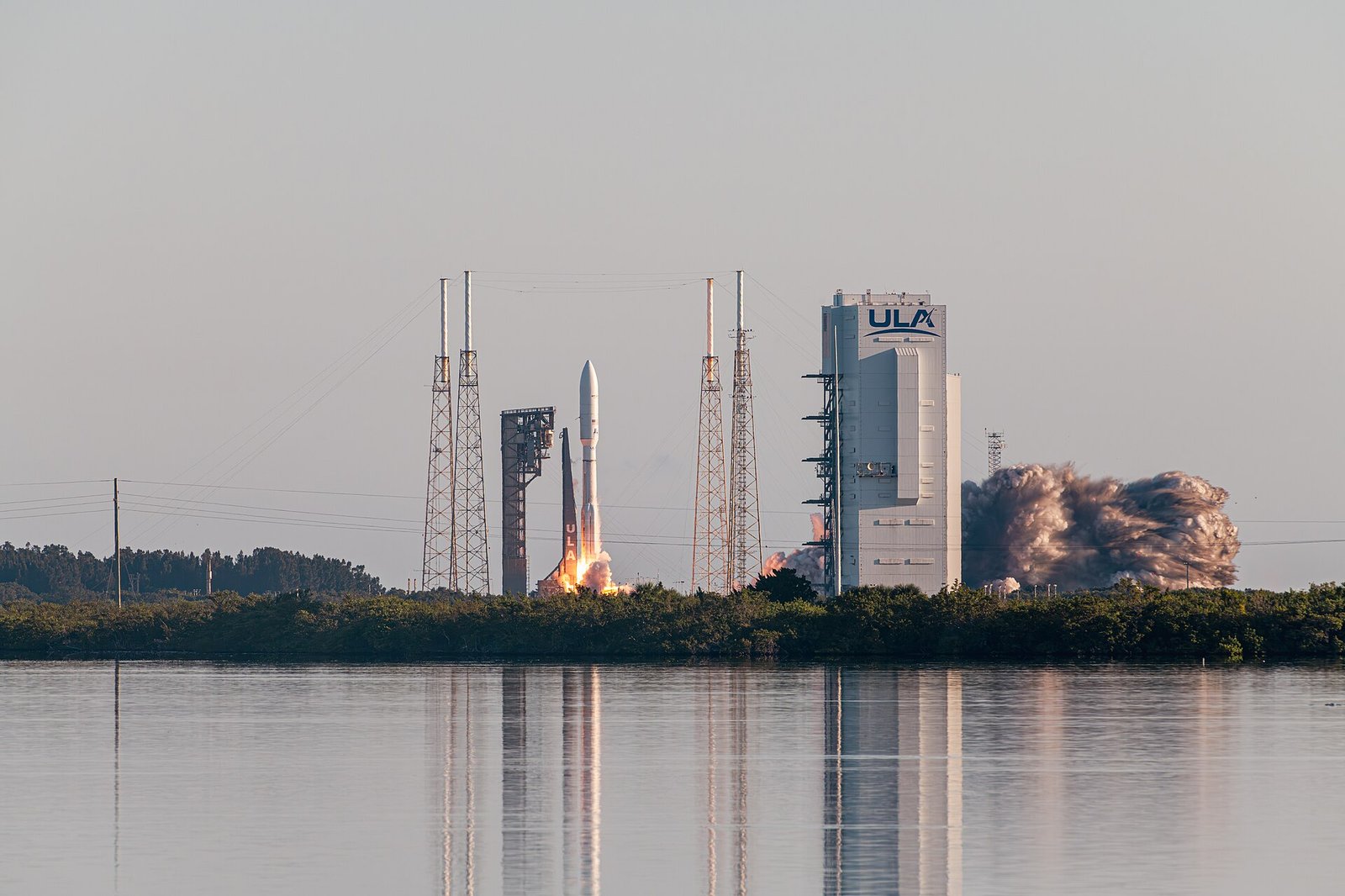
The service is called Amazon Leo, a rebranding of the project formerly known as Kuiper, and it has been a long time coming. Amazon has 396 satellites in orbit and has manufactured its 1,000th, with at least three more launches planned this year, starting with a United Launch Alliance Vulcan rocket and followed by an Arianespace flight. Chris Weber, the vice president who runs the program, told Ars Technica this week that the plan is to launch initial service this year.
The project has been years in the making and billions in the ground. Amazon announced its satellite ambitions in 2019 and has poured a sum widely reported at more than ten billion dollars into the constellation, its rockets and its ground infrastructure. The program is a bet that Amazon can do in orbit what it did in e-commerce and cloud computing: enter late, spend heavily, and outlast rivals.
Weber is careful about timing. He has not said exactly when individual customers can sign up, and the first service will cover mid-northern and mid-southern latitudes before expanding toward the equator as more satellites reach orbit. The pace of production at the company’s Kirkland, Washington, plant has reached about 27 satellites a week, and the team says it will double the number of launches over the next year.
The competitive target is explicit. To pull customers from SpaceX’s Starlink, Amazon plans to bundle Leo with the things it already sells: Prime membership, eero routers, Fire TV devices and Ring cameras. The customer terminal is being aimed at under $400, below the $499 Starlink charges for its standard kit. Amazon is betting that its retail ecosystem can do what its rival’s rockets cannot: hand a customer a reason to switch that has nothing to do with space.
The rival it faces is not a startup. Starlink, the SpaceX service that first lit up the market, already flies thousands of satellites and counts millions of subscribers, and it has had years to refine its terminals and its pricing. Amazon is entering a race in which the leader is not standing still, which is why the bundling pitch, rather than any single technical advantage, carries so much of the plan.
The numbers Amazon quotes are designed to sound competitive. It claims downloads of up to one gigabit per second and uploads of up to 400 megabits per second, with three tiers of terminal ranging from a compact portable antenna to a large one built for a gigabit. Those are performance promises, not yet widely tested by paying customers.
The schedule has been the project’s constant companion. Amazon is required by the Federal Communications Commission to have its full first-generation constellation of 3,232 satellites deployed by July 2029. It has already missed one interim deadline, and in June the FCC agreed to waive a requirement that 1,616 satellites be in service by July 30. The waiver kept the program alive but also marked the second time the regulator has had to bend the calendar for Amazon.
The delay has had a cost. Amazon lost spectrum priority in July after missing that deadline, which affects the Ka and Ku bands it needs, though the FCC has said it will restore priority once the company proves it has built the hardware and secured launch manifests. The company’s launches depend on rockets from three providers, a hedge against the delays that have slowed every constellation operator.
What Amazon is really selling is integration. Starlink arrived as a standalone product, sold directly to rural households and travelers. Amazon Leo will arrive wrapped in the company’s consumer machinery: an antenna that plugs into an eero network, a subscription that rides alongside Prime, a bundle that can be added to the same cart as a Fire TV. The bet is that satellite internet, sold as one more Amazon service, can slip into homes that Starlink reaches only through a single-purpose pitch.
The company has already been testing the water with a small set of enterprise customers on a preview basis, which lets it debug the network before consumers arrive. Weber has framed the rollout as a slow expansion rather than a single opening day, with coverage widening as more satellites climb into position.
The stakes for Amazon are larger than broadband. The company’s cloud business is the biggest buyer of data-center capacity on earth, and a functioning satellite network gives it a second kind of reach, into places fiber does not go. Whether Leo can hold up against a rival with a multi-year head start and thousands of satellites already in the sky is the question Amazon will spend the next several years answering, one launch at a time.



