
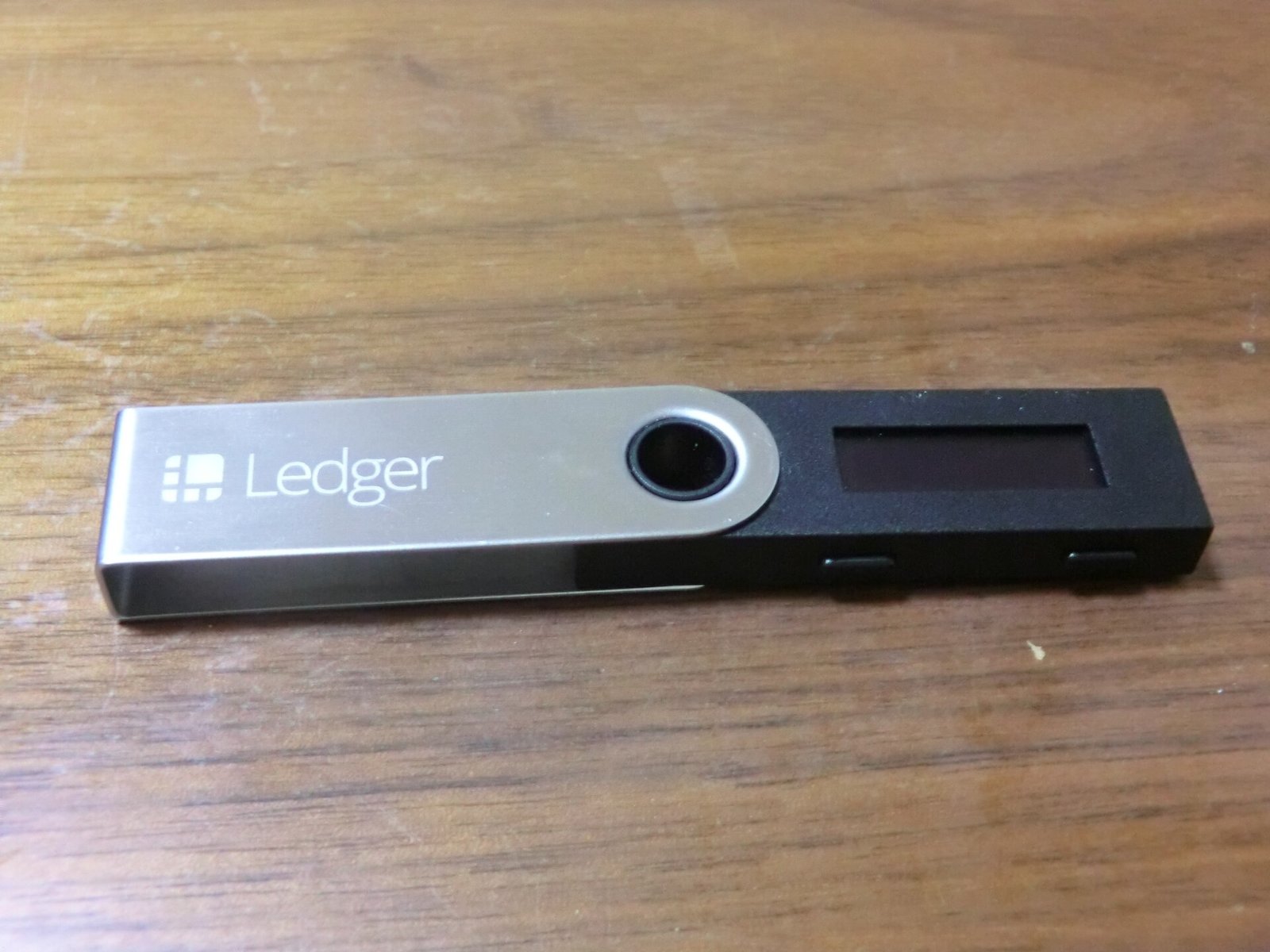
Ledger, the French maker of hardware wallets for crypto, said on October 9 that it is investigating the theft of roughly $86 million in digital assets from user wallets, and that its early findings point to tampering in the device supply chain rather than a breach of its own firmware.
Two days of tracking showed about $86 million moved from nearly a hundred addresses, according to the company, while a third-party tally put the figure above $92 million. Tether, the stablecoin issuer, has frozen some of the tokens caught up in the flow. The gap between the two counts reflects how quickly the assets were shuffled across addresses and how hard it is to pin down a final total in the days after a breach.
Ledger’s core claim is that its devices were not broken. The company said its firmware was not compromised and that the problem appears to lie in the purchase channel and the handover of devices — the path a wallet travels from factory to customer, where a device can be opened, altered, and resealed before it ever reaches the person who paid for it.
That distinction matters because it cuts to what Ledger sells. A hardware wallet’s entire promise is that the private keys controlling a user’s coins never touch the internet and can only be moved with physical confirmation on the device itself. If the device is sound but the supply chain is not, the problem is the opposite of reassuring: the customer did everything right and still lost money.
Ledger is one of the world’s largest makers of hardware wallets. Founded in Paris in 2014, the company produces the Nano and Stax lines of devices that millions of holders use to store bitcoin, ether, and other assets offline. Its users skew toward the United States and Europe, where self-custody has grown into a mainstream practice. Chief executive Pascal Gauthier has led the company since 2019, through a period in which hardware wallets became the default answer for holders who wanted to move assets off exchanges.
The company has built its reputation on a secure element chip and a custom operating system that isolates each application, and it has marketed the physical device as the last line of defense against online attacks. A supply-chain compromise attacks a different layer entirely: the moment a sealed box becomes an open one.
Supply-chain tampering is one of the oldest threats in the hardware-security business, and one of the hardest to defend against. A device intercepted between manufacturer and buyer can be modified to share its recovery phrase, replace a genuine part, or steer funds to an attacker’s address, while looking untouched to the user who receives it.
The industry has long warned buyers to purchase only from official channels and to check that devices arrive sealed and that their firmware is genuine. Ledger’s own guidance has emphasized those steps. The reports now under investigation suggest that for some buyers, those precautions were not enough, which raises the question of where in the chain the tampering happened and how it went undetected.
The scale of the reported loss is significant but not the largest the crypto world has seen. What sets this episode apart is the target: a hardware wallet is the tool people buy specifically because they believe it is safer than keeping money on an exchange. When that tool is the point of failure, the damage is measured in trust as much as in dollars.
Ledger has not said how many users were affected, how the tampered devices reached them, or whether the company will compensate victims. The investigation is still unfolding, and the company has said it is working with authorities and with the stablecoin issuers that can freeze funds while they are still traceable.
For the self-custody movement, the episode lands on a familiar tension. The movement’s founding argument is that holding your own keys is safer than trusting a custodian, but holding your own keys also means there is no one to call when something goes wrong. A supply-chain attack turns that argument on the people who believed it most.
What Ledger can prove will determine how much damage the episode does. If the breach traces to a handful of tampered devices sold through unofficial channels, the company can contain the story to a warning about where to buy. If the tampering is broader, the trust that the entire hardware-wallet category rests on will be harder to repair.
The company has emphasized that the firmware itself held, and that the failure sits elsewhere in the journey of the device. That is a meaningful distinction for engineers and a thin one for the users who lost money. For them, the question is simpler: how did a device meant to keep coins safe end up being the way they were taken.



