
The note turned up at a construction site for an Amazon data center in Manassas, Virginia, written by hand and dated April 22. A dozen pipe bombs, it said, were hidden around the facility and set to detonate within thirty minutes. Police swept the site and found nothing. The threat was a hoax, and it was not the last.
CNN reported on October 12 that opposition to AI data centers has climbed from shouting matches at local hearings to physical menace. Police across the country are investigating dozens of threats against projects, including bomb warnings scrawled on bathroom walls and violent messages posted online. In some towns, officials who backed the projects have faced intimidation; in others, residents have been arrested at public meetings.
The conflict has been building for more than a year. Data centers are the physical layer of the AI boom, and the boom has arrived faster than the towns hosting it can absorb. A single hyperscale campus can draw as much electricity as a mid-sized city, consume millions of gallons of water for cooling, and occupy hundreds of acres of farmland. Residents who learn of a project only after the land is optioned tend to react badly.
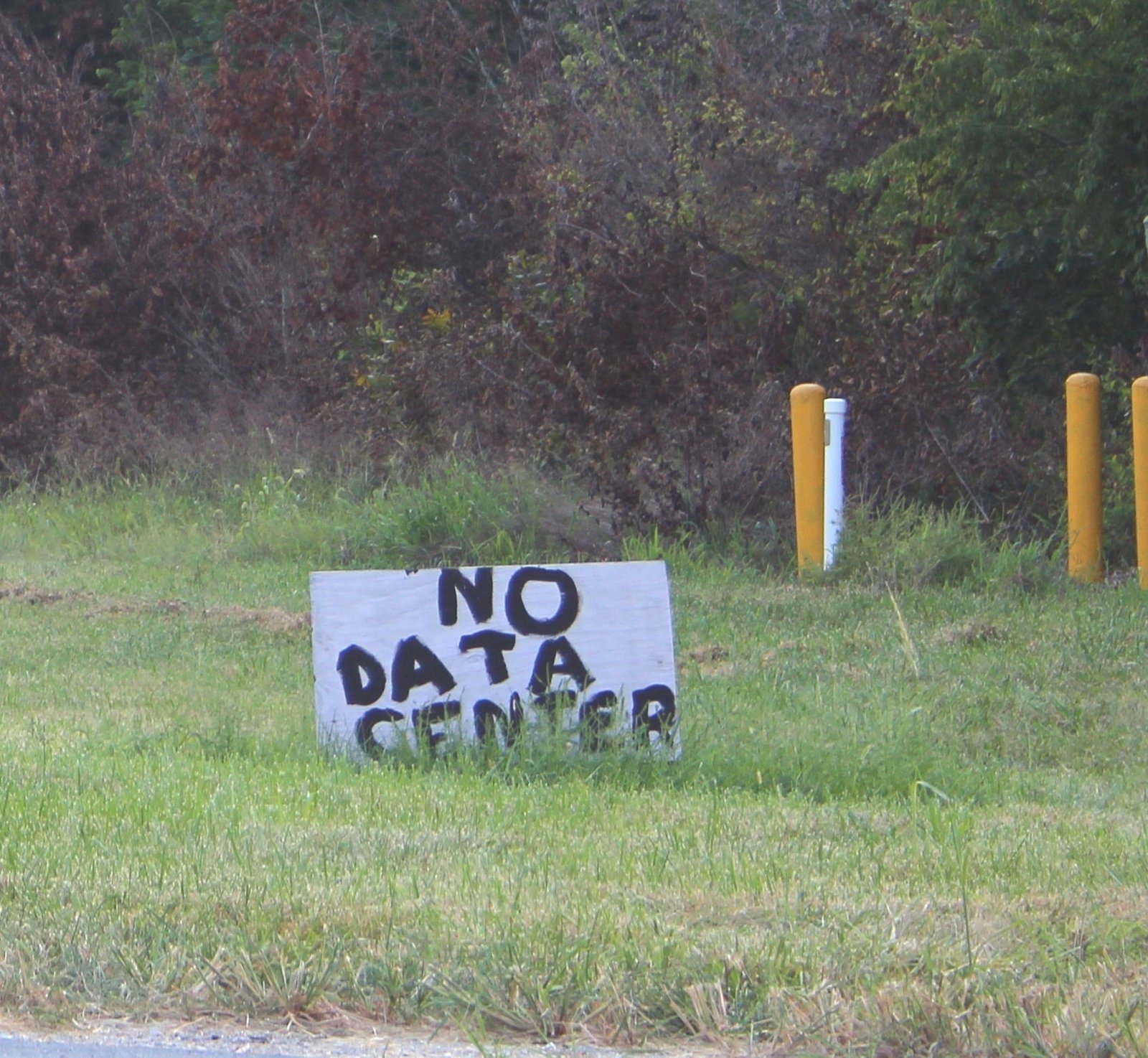
The scale of the revolt is easier to count than to dismiss. Tracking by industry watchdogs found more than 142 protests against data centers across 42 states on a single day in July earlier this year. More than 300 cities, towns and counties have passed bans or moratoriums on new construction, according to research cited by national outlets. Public meetings have become scenes of confrontation, complete with shouting, ejections and, in a few cases, arrests.
Companies are now trying to buy back goodwill. Microsoft announced this year that it would stop requiring communities to sign nondisclosure agreements during siting talks, a practice that had kept project details out of public view until after commitments were made. Amazon followed on October 11 with a similar pledge, saying it would negotiate data center projects with local governments without demanding secrecy. The two companies are among the largest builders in the industry, and their moves signal that the old playbook has stopped working.
The concession addresses a real grievance. Confidentiality agreements had let companies secure tax abatements and land deals before residents could organize, a sequence that left the public feeling ambushed. Opening the negotiations to scrutiny does not settle the harder disputes over water, power and noise, but it removes an obvious source of suspicion.
The economics explain the intensity on both sides. Local governments see property tax revenue and construction jobs; opponents see rising utility rates, strained aquifers and the loss of open land. In several states, ratepayers have complained that utilities are building transmission lines and generation to serve data centers while passing the cost to households. That argument has proved more potent than environmental objections alone, because it reaches voters who do not follow AI closely.
Industry executives argue that the backlash is a communications problem that transparency can fix. Critics counter that the underlying math cannot be talked away: if the AI build-out continues at its current pace, it will need land, water and power that many communities are unwilling to give. Both sides agree that the pace of construction has outstripped the ability of local government to plan for it.
The political terrain is shifting with the sentiment. State lawmakers in several regions have filed bills that would give local governments more say over the large power contracts and water withdrawals tied to data centers, and a handful have proposed requiring the facilities to pay a share of grid upgrades. Utilities, caught between eager customers and wary ratepayers, have begun publishing more of the load data that used to stay confidential.
The menace has consequences beyond the boardroom. Construction crews, utility workers and planning staff have become targets in the most heated cases, and towns that once competed to attract a project now weigh whether the hostility is worth it. Scripps News has documented arrests at public meetings and reported threats against local officials across the country, a pattern that has pushed some counties to hire security for hearings that once drew a handful of residents.
For the companies, the risk is concrete. A project delayed by a year costs millions and can push back a launch that rivals are racing toward. A project canceled leaves the capacity to be built elsewhere, often in a state more willing to accept it. The industry’s answer so far has been to promise better behavior and hope that faster, more open negotiations cool the anger before it hardens into law.
Whether that works may depend on the next few months. Threat investigations are ongoing, and the individuals who made them have not all been identified. If the intimidation continues, it will be harder for companies to present themselves as partners to the towns they are courting. A bomb scare that ends in a hoax is still a warning that the argument has left the hearing room.



