
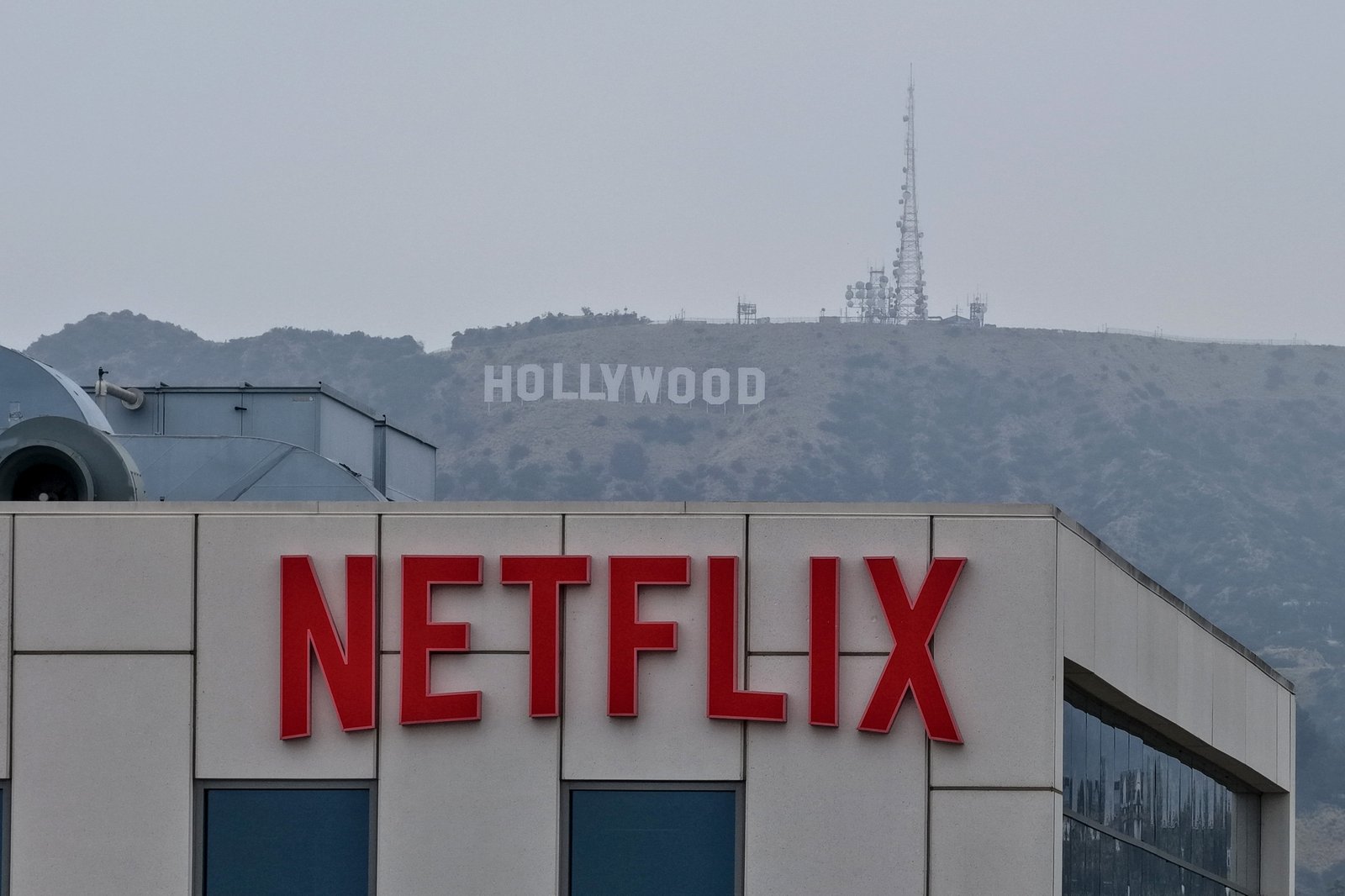
Employees at Netflix learned on Wednesday morning that roughly 1,000 of them were being let go. Co-Chief Executives Ted Sarandos and Greg Peters announced the cuts, about 6% of the workforce, in an email to staff, with the reductions concentrated in the product, technology, legal and human resources teams. The Wall Street Journal reported the move first, and people familiar with the matter said those four groups absorbed the deepest reductions.
Reports in the days before the memo had put the figure at 5%. The final number was higher and larger than any reduction at the company since 2022, when it cut 150 employees in May and another 300 in June as subscriber growth stalled. In the years between, the company trimmed individual teams; the most notable round, in the product division, numbered in the dozens.
The company attributed the decision to cost pressure created by stiffer competition for viewers’ attention, a fight that now spans short video, games and live sports across a dozen services. The gap between the number circulating a week earlier and the figure in Wednesday’s memo suggests the final list grew during planning rather than shrank.
“Our mission, to entertain the world, is ambitious, and delivering on it requires us to be disciplined about where we prioritize our people and resources,” the co-CEOs wrote. Neither executive said which priorities would lose funding.
The pressure behind the decision has been building in public. Netflix shares have fallen more than 40% over the past year, and viewing time across the service rose just 2% in the first half of 2026. Sarandos addressed the trend at a Bloomberg conference on Sept. 30. “Overall, we’re not growing as fast as I want us to, and we’re working on making that move faster,” he said.
The company still earns more than any competitor in streaming. It remains the largest subscription service by subscribers and by revenue, and its advertising tier has become one of the industry’s few growth businesses. Advertisers buy attention, and attention is the measure that has stopped rising. Healthy profit alongside flat engagement is what the cuts answer.
There is also the matter of programming. Netflix went through one of its longest stretches without a series that captured the wider culture the way Stranger Things or Squid Game did, and its most recent phenomenon, Adolescence, aired more than a year ago. Many returning shows have drawn fewer viewers season over season. The company finished third at the Emmys behind Apple TV and HBO, a result that would have been hard to imagine five years ago.
Management has been redirecting spending toward formats it can control and sell differently: live sports, live events, podcasts and programming built around creators. Those bets favor production capacity and technical delivery over the star-driven scripted slate that built the business, and they change the mix of people a studio needs.
Wall Street’s read is straightforward. Trimming 6% of staff in one day removes a cost base the company had defended as necessary through the years of expansion. Analysts said the savings are modest against the billions Netflix spends on programming each year, which makes the decision a statement about direction rather than about arithmetic. A company that expects to hire heavily into a new business does not cut 1,000 jobs in the old ones.
The move follows a sequence that has played out across media. Companies that spent the past three years defending streaming losses have been removing layers from legal, finance and product teams while funding the parts of the business that generate advertising and licensing revenue. Netflix reached profitability sooner than its rivals and avoided the exercise for longer; it now stands where the studios it once outran have already been.
The cuts also fall on functions that other technology firms have been thinning. Legal, human resources and product teams are where large companies have removed ranks while protecting engineers who work on artificial intelligence. Netflix is spending on recommendation and production technology, and it has said little about where the new roles will sit.
For employees outside the four divisions, the question is whether Wednesday closed an exercise or started one. Companies rarely cut once when a growth rate has changed, and the next test comes with third-quarter earnings next week, when executives will be asked whether the savings alter the outlook for programming or for the advertising business they have promised to scale.
The streaming business has matured faster than the companies that built it. Subscriber growth has flattened in most markets, price increases have become the main source of revenue per user, and every major service competes for the same hours against social video that costs nothing to watch. Under those conditions, the cost of a large workforce is weighed against the cost of the shows it makes, and the argument for keeping both has weakened.
Sarandos and Peters gave no timeline and named no further steps. Employees who survived the round now work at a smaller company than they did on Tuesday, in a business whose growth depends on persuading people to watch more of what it already has. Whether the cuts free money for that effort, or come before another round, is a question the company left unanswered.



