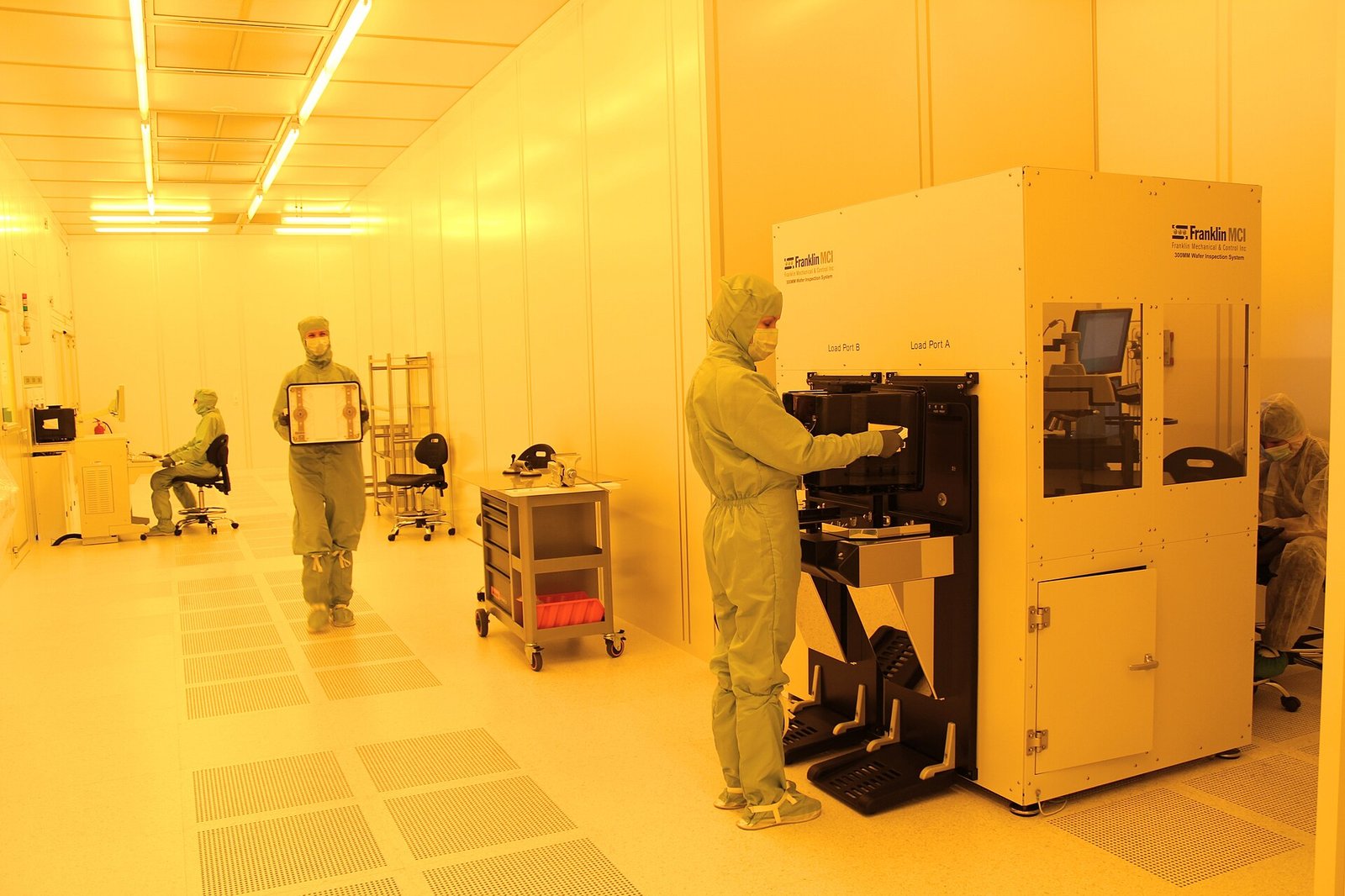
The packaging and inspection machines that SK Hynix ordered for its newest memory chips were due to arrive in the second half of this year. A portion of those orders has slipped into next year, according to DealSite, a South Korean trade publication that cited people familiar with the semiconductor equipment industry.
The equipment covers the back end of HBM4 production, the steps that turn a finished wafer into a stack of memory that can be soldered alongside an Nvidia accelerator. HBM4 is the sixth generation of high-bandwidth memory, the component that largely sets how quickly a data center can move numbers in and out of the chips doing the training.
The report carried no response from SK Hynix. The company has said it began shipping HBM4 in volume in the second quarter, planned a fuller ramp through the second half of the year, and expects its output for 2026 to be claimed by customers.
The revision is small enough to read as scheduling and large enough to matter. Back-end tools are not optional extras. Yields on high-bandwidth memory are decided in large part by how well the stacking and testing steps perform, so moving those machines moves the chips that depend on them.
People familiar with the supply chain described the change less as a technical failure than as a decision about where capital goes. Capacity at the company’s Yongin cluster is being prioritized for conventional DRAM, where prices have been strong. Some spending that had been planned for this year has been carried into next.
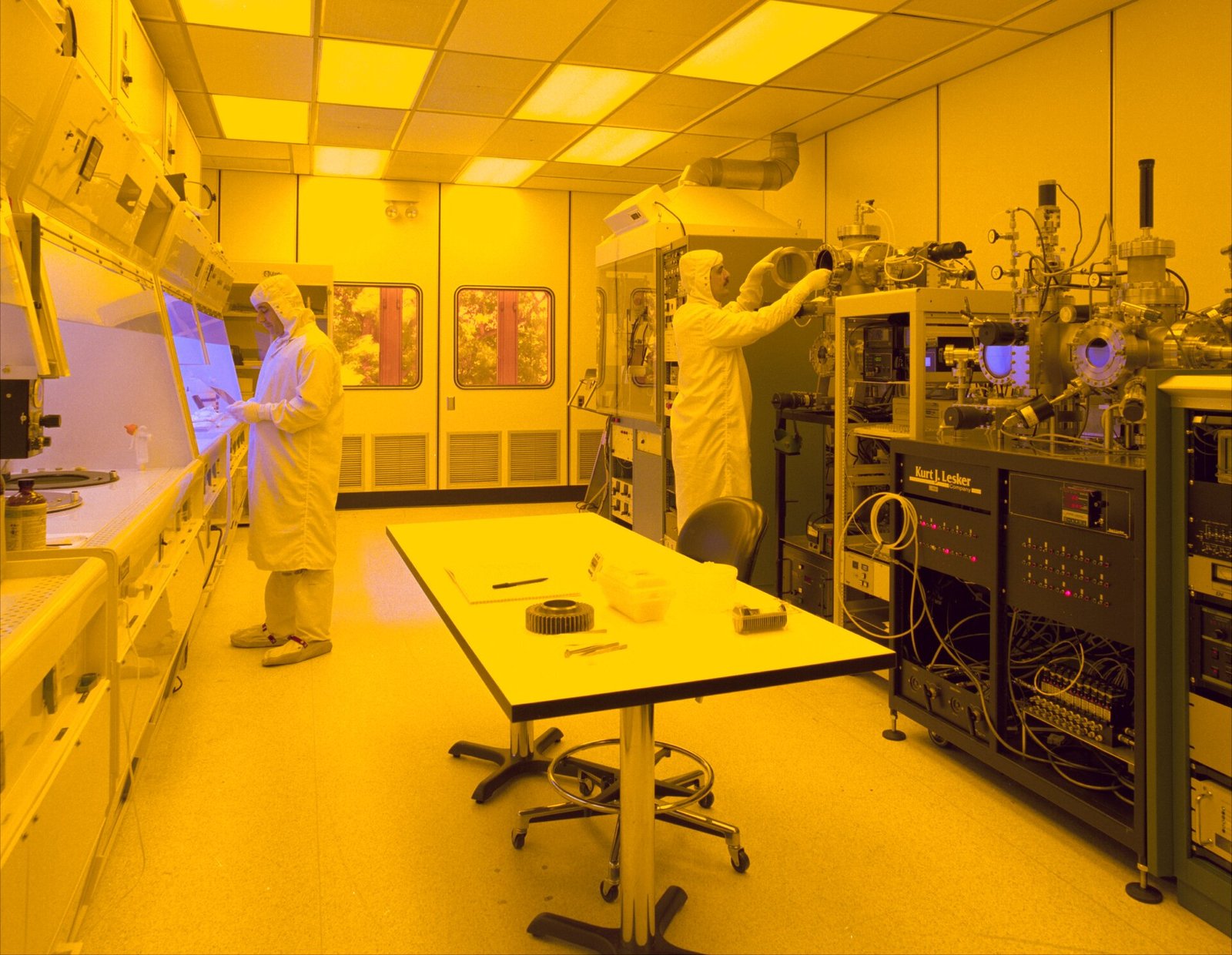
The arithmetic supports that reading. Server DRAM has been selling at levels that make it nearly as attractive as the premium product, and it carries less engineering risk. HBM4 requires new base dies, tighter stacking tolerances and a testing regime that must prove itself at volume. A manufacturer with finite cleanroom space and a fixed pool of money has to decide which line to feed first.
SK Hynix has largely finalized its HBM4 equipment orders for this year, and there are no clear signs of additional investment in the near term, according to people familiar with the matter. Tools already delivered are being installed and qualified as planned, those people said.
Equipment suppliers read the signal closely. HBM back-end work sits with a small group of packaging and test vendors, and a slip in one customer’s order book lands on every revenue plan in the group. Companies that had budgeted for a second-half pull-in now face a campaign that starts later.
Analysts who follow the memory market say the delay does not by itself change the demand picture. Nvidia has named SK Hynix and Samsung as suppliers of HBM4 for its next-generation platform, and both have indicated their output is spoken for. The open question is not whether the chips are wanted but when the lines can make them at a cost that works.
A slower constraint sits underneath. New capacity, including SK Hynix’s Indiana plant at more than $4 billion and a Korean investment package of about 54.3 trillion won, or $38.3 billion, is not expected to reach volume output before 2028 or 2029. Until then, output growth has to come from re-tuning existing lines rather than from new buildings.
That leaves the next two years to be decided by execution. HBM is the most profitable product the memory industry has made, and it is also the hardest to manufacture. Each generation doubles the number of stacked dies and tightens the tolerance between them, and every step toward higher density makes the test and package stage more expensive to get wrong.
Competition is adding pressure from two directions. Samsung has moved to qualify its own HBM4 and has been pushing for customer approvals it previously lacked. Micron is expanding in the United States. In China, ChangXin Memory Technologies has been adding DRAM capacity and has claimed progress on a new architecture, a development that unsettled memory shares in Seoul this week.
The delay also lands in the middle of a nervous stretch for the wider artificial-intelligence trade. Memory makers are the first link in a chain that runs through accelerators, servers and data centers, and investors have begun asking how much of the current spending is permanent. Any signal that the fastest-growing product in the sector is moving more slowly than promised gets read as a signal about the chain.
SK Hynix has not said how much of the HBM4 order book moved, or which vendors felt it. Its public position is unchanged: mass production began, shipments are flowing, and the ramp continues. What the equipment schedule suggests is that the ramp will be uneven, with more of the volume arriving later than the original plan implied.
For customers, that is a scheduling problem measured in quarters. For the equipment makers, it is a revenue problem measured in halves. For the memory market, the useful question is whether SK Hynix is buying time to shift spending toward DRAM, or acknowledging that the packaging step for its most advanced chip is harder than the timeline allowed.