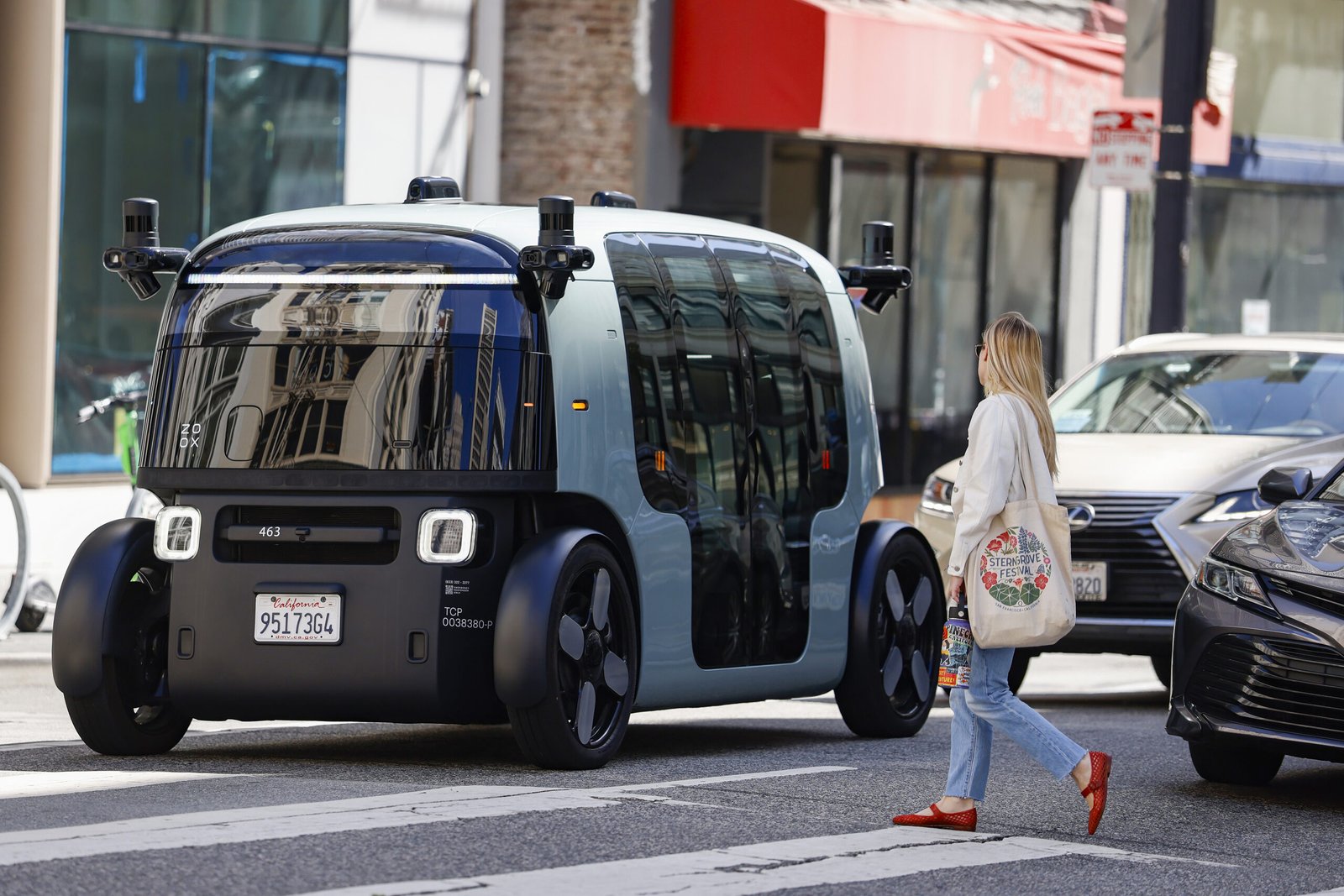
This week a rider in San Francisco climbed into a boxy white vehicle with no steering wheel, no pedals and no driver, and crossed the city without touching a thing. The ride was free, and not as a promotion.
Zoox, the autonomous unit owned by Amazon, said it is inviting passengers in San Francisco to ride its purpose-built robotaxi under a program it calls Zoox Explorers, offering a limited number of seats and asking riders to report what went wrong. The company cannot charge for those trips. California requires a paid driverless service to hold deployment permits from the state’s Department of Motor Vehicles and its Public Utilities Commission, and Zoox has not secured them in the state where much of its engineering sits.
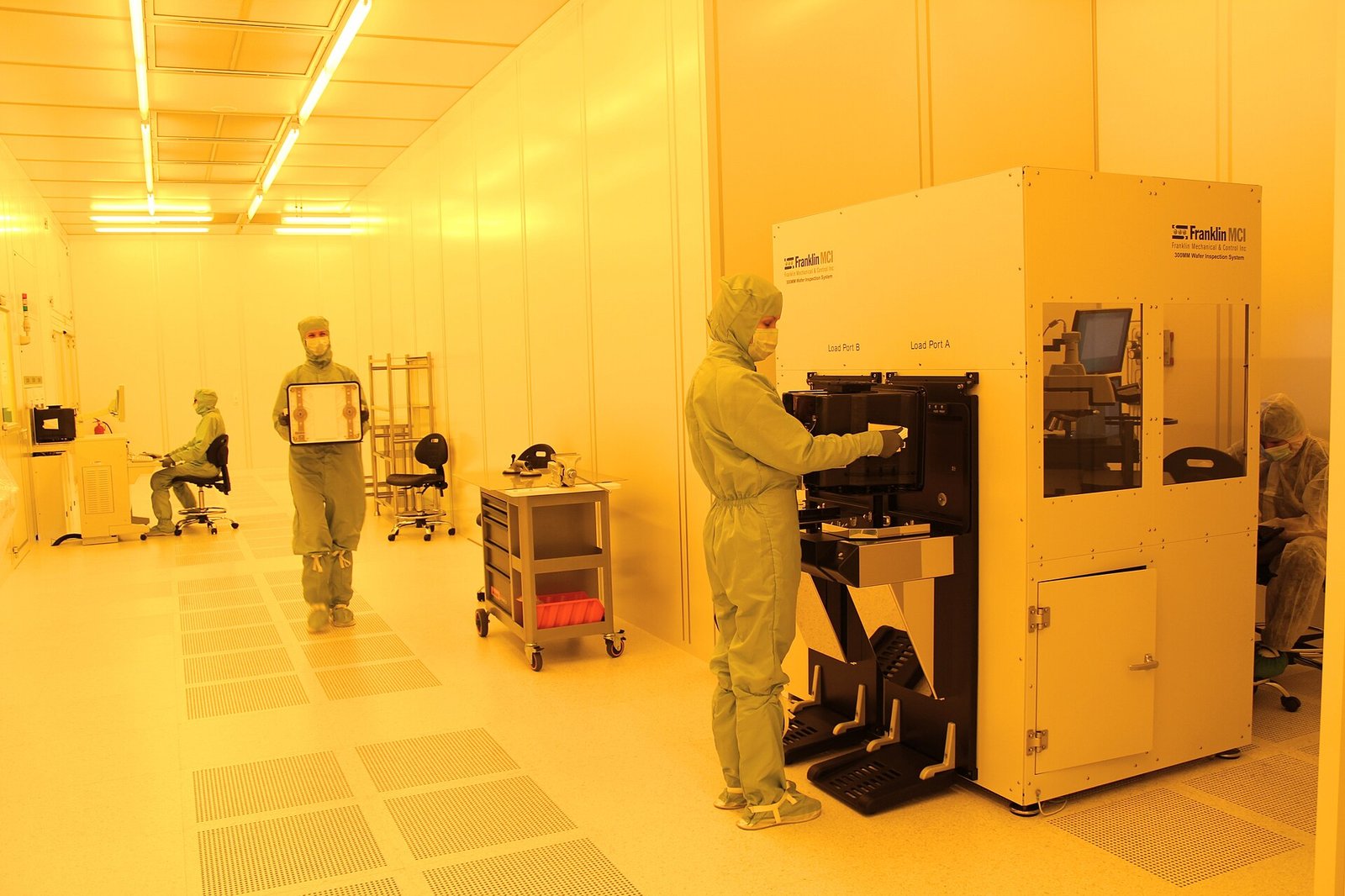
The gap between a free ride and a fare matters more to Zoox than to most of its rivals, because the vehicle itself was designed to skip the compromises the others accepted. Zoox’s robotaxi has no steering wheel, no pedals and no conventional front or back; it drives in either direction and seats four passengers facing inward. The company builds it at a plant in Hayward, California, sized for up to 10,000 vehicles a year.
That design cleared a federal gate in July, when the National Highway Traffic Safety Administration granted the first commercial exemption for a purpose-built autonomous vehicle without traditional controls, allowing up to 2,500 vehicles a year under conditions the agency can revise. Federal clearance is only half of the puzzle. States and cities set their own rules for charging passengers, and Zoox has had to work through them one at a time.
It has tested in Los Angeles and in Texas and Nevada, and began paid service in Las Vegas, its first market where a fare is allowed. In other cities it has run with human safety drivers aboard while the software learns the streets. San Francisco is a harder test than any of them: dense, hilly, crowded with cyclists and pedestrians, and the city where Waymo, its larger rival, has run commercial service the longest.
The comparison with Waymo is unavoidable, and unflattering on the numbers. Alphabet’s unit runs more than 4,000 vehicles across 14 U.S. cities and gives more than 500,000 paid rides a week. Zoox’s fleet is a fraction of that, and its free-ride program in San Francisco is a fraction of a fraction. Where Waymo spent years running limited pilots before inviting paying riders, Zoox is inviting riders while still short of the permit that would let it bill them.
Amazon bought Zoox in 2020 for roughly $1.3 billion, a price that assumed a long runway and a vehicle built from scratch. The company has since spent years and a large amount of capital on the design, the factory and the safety case, and the return depends on reaching scale in cities that each demand their own approvals. San Francisco is home turf in a literal sense and a costly place to prove anything, because a single bad incident there draws attention that a quiet suburb would not.
The permit Zoox is waiting on has a timetable it cannot set. California’s utilities commission reviews deployment plans, insurance coverage and the record of a company’s testing before it allows a service to charge, and the review has no fixed deadline. Waymo navigated the same process in stages, first with a safety driver, then without one, then with fares. Zoox is attempting the earlier steps in public, which means its mistakes are visible before its business begins.
Amazon has funded the effort without demanding that it pay for itself yet. The company frames autonomy as a long-term investment alongside its delivery operations, where it has tested sidewalk robots and drone delivery with mixed results. For Zoox, the nearer measure is not profit but progress: whether the free rides in San Francisco generate the record that California needs before it hands over a commercial permit.
The free rides also do work that a marketing budget cannot. Riders who climb into a vehicle with no controls are, in effect, test subjects, and the feedback Zoox collects — about pickups, about how the cabin feels, about whether a passenger trusts a car that has no obvious way to be steered — informs how the service is built before regulators let it charge. Competitors have used the same tactic: Waymo ran years of free and invited trips before it began collecting fares at scale.
The market these companies are racing toward is large enough to explain the patience. Goldman Sachs Research has forecast that the U.S. robotaxi market will reach $48 billion by 2035, and Tesla, Uber and a lengthening list of operators are all chasing a share of it. Zoox’s bet is that a vehicle designed for the job, rather than a car retrofitted with sensors, will be cheaper to operate once volume arrives.
That bet has not been tested at scale, and the free rides in San Francisco do not test it. What they do is keep Zoox visible in the city that sets the tone for the industry, while the company waits for a permit whose timing it does not control. Until the paperwork clears, every trip is a cost rather than a sale, and the only revenue is the data.
For Amazon, the question is how long it will fund a fleet that cannot charge its riders. For the passenger in the boxy white van, the ride is free, and the destination is wherever the software has already decided it is safe to go.