
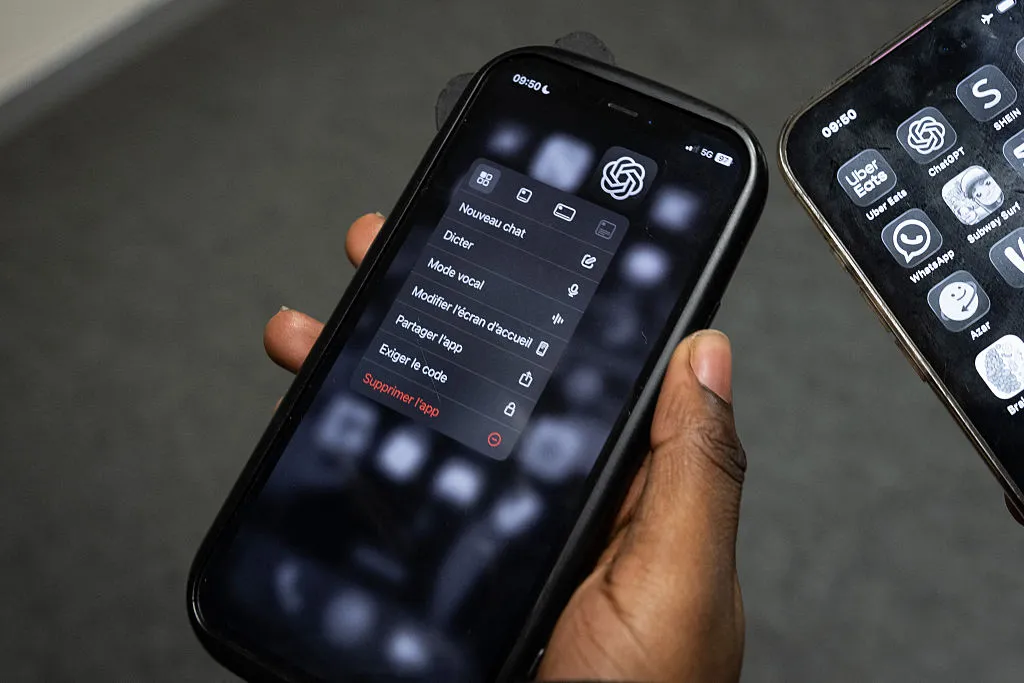
The complaints arrived on the same day, in eight separate courts, filed by eight separate offices that had reached their own conclusions about the same product.
Attorneys general from eight states sued OpenAI on October 14, each in its own state court, alleging that ChatGPT misleads users about how safe it is and puts minors at risk. Filing individually rather than as a group is a decision with practical consequences. No single judge controls the schedule, no single settlement ends the matter, and each state builds its own record from its own witnesses.
Iowa Attorney General Brenna Bird put the claim in the plainest terms. She said OpenAI tells the public that ChatGPT is safe while the product offers dangerous medical advice, encourages users to hurt themselves and others, and presents itself to children as a false friend.
The false-friend allegation is the one with the longest reach. It argues that the harm is in the design of the product rather than in an error, that a system built to sound warm, remember past conversations and answer every question is a different thing when the user is thirteen years old than when the user is an adult looking for a recipe.
OpenAI rejected the framing. A company spokesperson said the product ships with protections built for different age groups. That answer points to the defense OpenAI is likely to build: that it has published safety policies, added restrictions on how the chatbot responds to younger users, and given parents controls that earlier versions did not have.
Consumer protection law gives state attorneys general a broad instrument. Most state statutes reach unfair or deceptive acts, a standard that does not require proof of physical injury, only that a company’s claims or omissions misled reasonable buyers. Remedies typically run to civil penalties, injunctions that order specific changes in how a product works, and disclosure requirements.
That standard explains why the cases center on what OpenAI has said publicly. If the company’s own statements about safety are the benchmark, then every gap between the promise and the behavior of the model becomes evidence. Product pages, launch posts and executive interviews all become exhibits.
The state courts are a deliberate venue. Federal courts have been receptive to arguments that AI outputs are speech or that Section 230 shields platforms from liability for what their users do. State consumer protection claims about a company’s own marketing are a narrower and in some ways friendlier target, which is why plaintiffs’ lawyers have been steering cases there for years.
Eight simultaneous filings also generate eight press cycles and eight sets of local coverage, in states where voters follow news about children and technology more closely than they follow model benchmarks. Attorneys general are elected in most states, and consumer protection against large technology companies is one of the few issues with support across party lines.
The suits land while the company is already managing scrutiny on several fronts, including probes by federal regulators into how its safety practices and consumer protections work. Each inquiry asks for documents. Each one adds to the set of internal emails and product decisions that lawyers will eventually have to explain.
Parents are the other audience. The questions the filings raise are the ones families have been asking since chatbots became default homework tools: what the system remembers about a child, what it will say when asked about self-harm, and whether any of it can be turned off. ChatGPT’s memory features and its use by teenagers are at the center of that concern.
Analysts said the direct financial exposure is difficult to size at this stage. State penalties for consumer protection violations are usually modest per violation, but the injunctive remedies can be expensive, because they often require changes to a product’s core behavior, ongoing auditing and reporting to a regulator for years.
The more consequential cost may be in how the product is allowed to talk. A court order that narrows the persona of a chatbot, or requires notices before a conversation begins, or demands age verification for features that make the system feel personal, would change the design decisions at the center of the consumer business.
State attorneys general have used the same statutes against social media platforms over how their products treat young users, and the cases have taken years to work through the courts. The difference here is the product. A social feed can be changed with ranking and design decisions that a court can review. A chatbot’s answer is generated fresh each time, which makes injunctive relief harder to draft and compliance harder to verify.
Discovery in these cases will be heavy. Documents that determine liability include internal safety evaluations, the guidelines that shape how the model responds to a user in distress, product decisions about memory and personalization, and any research the company produced about young users and chose not to publish. Subpoenas in eight states can reach the same files.
The company has argued that a general-purpose system cannot be made safe for every user, which is why it relies on age signals, usage policies and parental tools. How well those controls work is the factual question at the center of the litigation, and the states have said they intend to test it.
What the filings do not settle is whether the states can prove that users were deceived, as opposed to merely exposed to bad advice that the company warns about. That distinction will be argued in eight courtrooms at once, over years, by eight sets of lawyers, against the same defendant.



