
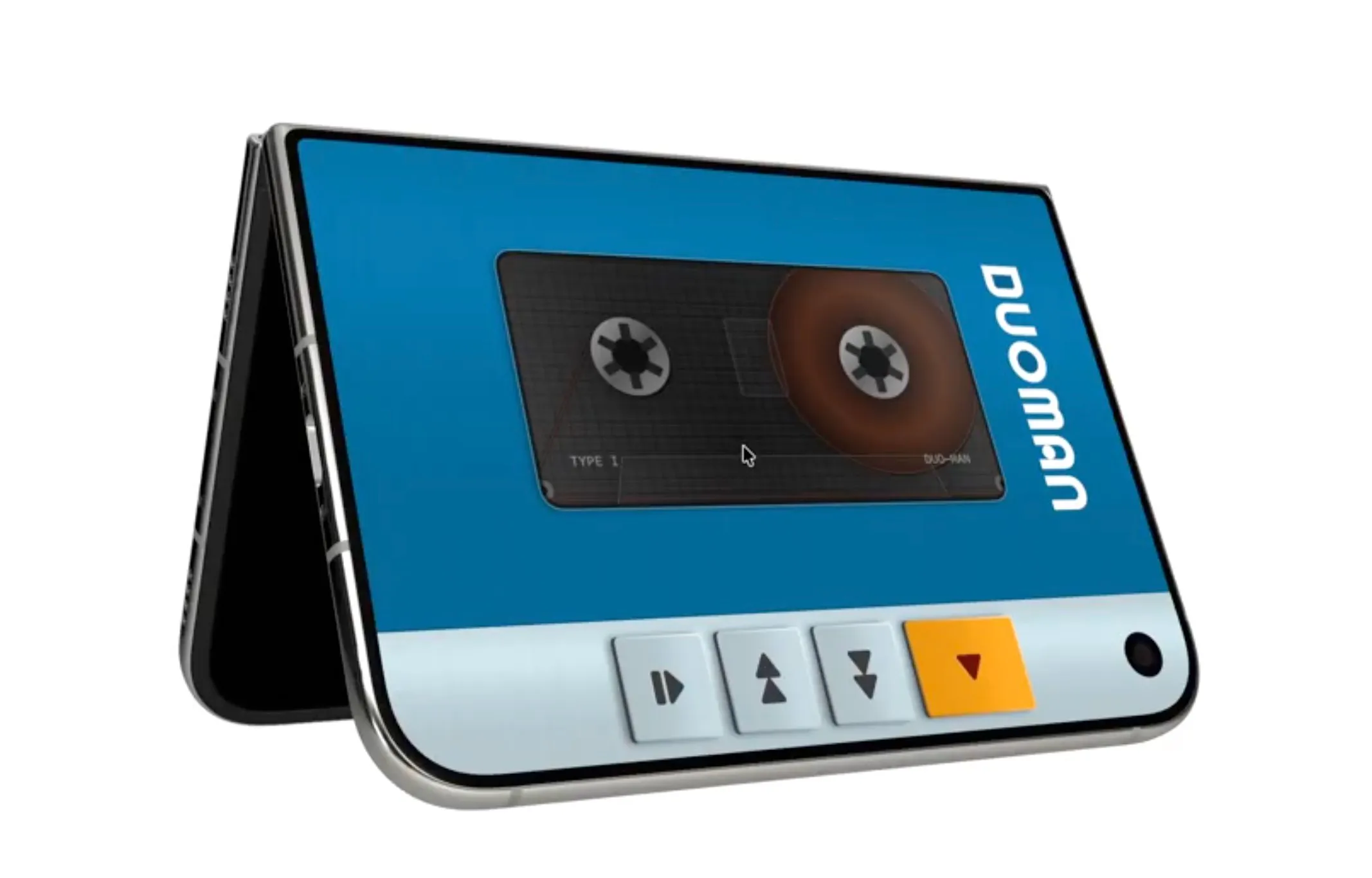
Apple opened preorders for the iPhone Duo, its first folding phone, at 8 a.m. on October 16. Within roughly half an hour, every color and storage configuration had slipped from the October 23 launch date to delivery windows between January 25 and January 29, 2027.
In-store pickup inventory for launch day sold out at the same time. The phone starts at $1,999, with the 2 terabyte version at $3,199. Bloomberg reported the situation reflects strong demand combined with constrained supply. Apple announced the device on September 9.
A three-month slip on a product that was announced six weeks earlier is an unusual outcome even for a launch of this size. Apple typically builds inventory for months before a release and manages the gap between demand and supply by adjusting delivery estimates rather than delaying them by a full quarter. Moving the date into the next calendar year suggests either that the initial production run was smaller than planned or that the company deliberately scheduled a limited first batch.
Foldable phones are harder to build than standard handsets, and the difficulty is concentrated in two components. The hinge must survive hundreds of thousands of folding cycles without developing play, and the display must tolerate bending at a radius that glass does not naturally accept. Both require manufacturing processes with low yields at first, and yields improve only with production volume.
The pricing puts the Duo above every other iPhone Apple sells. At $1,999 the entry model costs more than a high-end laptop, and the 2 terabyte configuration at $3,199 sits near the top of the consumer phone market. Apple has priced the device as a premium product in a category where other manufacturers have struggled to justify their own premiums to buyers.
Competitors have sold foldables for six years. Samsung has iterated through several generations with mixed commercial results outside South Korea and China, and Chinese manufacturers have concentrated on the form factor with success in their home markets. What Apple brings is the software ecosystem and the retailer relationships, along with a customer base that upgrades on the company’s schedule rather than on the calendar.
Supply constraints have a familiar effect on Apple’s reporting. When a product is unavailable, revenue defers rather than disappears, and the company’s December quarter will show less of the Duo than its March quarter. That pattern has occurred with each significant redesign of the iPhone, and it has generally been described by the company as demand exceeding its ability to produce rather than as a shortage of parts.
The hinge and display suppliers are the companies with the most to gain. Apple does not manufacture either component itself, and its volumes determine whether a supplier can invest in capacity for a second and third model. Reports of the Duo’s initial batch size will be read closely by investors in those supply chains.
The one thing the sold-out status does not indicate is the size of the first production run. A launch batch of a few hundred thousand units sells out quickly at any price, and a launch batch of several million does not. Apple does not disclose unit numbers, and it will not break them out in its results.
Analysts said the Duo’s strategic purpose is to establish the form factor inside the ecosystem rather than to sell in volume in its first year. Developers will adapt applications to a folding screen when the installed base justifies it, and the installed base grows only after the price falls and supply catches up. The first months are for establishing the product’s existence, not for measuring its market.
Apple’s supply chain has been preparing for this product for years. Display makers in South Korea and China have built flexible panel lines, and hinge suppliers have invested in precision machining for a mechanism that must hold the screen at several angles while surviving daily use. Each of those suppliers has taken on capital costs against an order book that depends on how many units Apple eventually sells.
Repair is the cost that buyers rarely consider before purchase. A folding screen is a single component that spans both halves of the device, and replacing it involves disassembling the phone rather than swapping a panel. Apple’s service pricing and its warranty terms for the hinge will be as important to the product’s reputation as its specifications, particularly in the second and third years of ownership.
The carrier and retail channel matters too. A phone at $1,999 does not move through the same promotions as a mid-range handset, and most units will be sold on installment plans that spread the cost across two or three years. Those plans are how the price becomes a monthly figure, and they are also how a delay in delivery becomes a customer service problem rather than a production statistic.
What Apple has not said is how many units it built for the first run, when supply will exceed demand, or whether the January delivery estimate will move again. Buyers who ordered at 8:01 a.m. will find out first.



