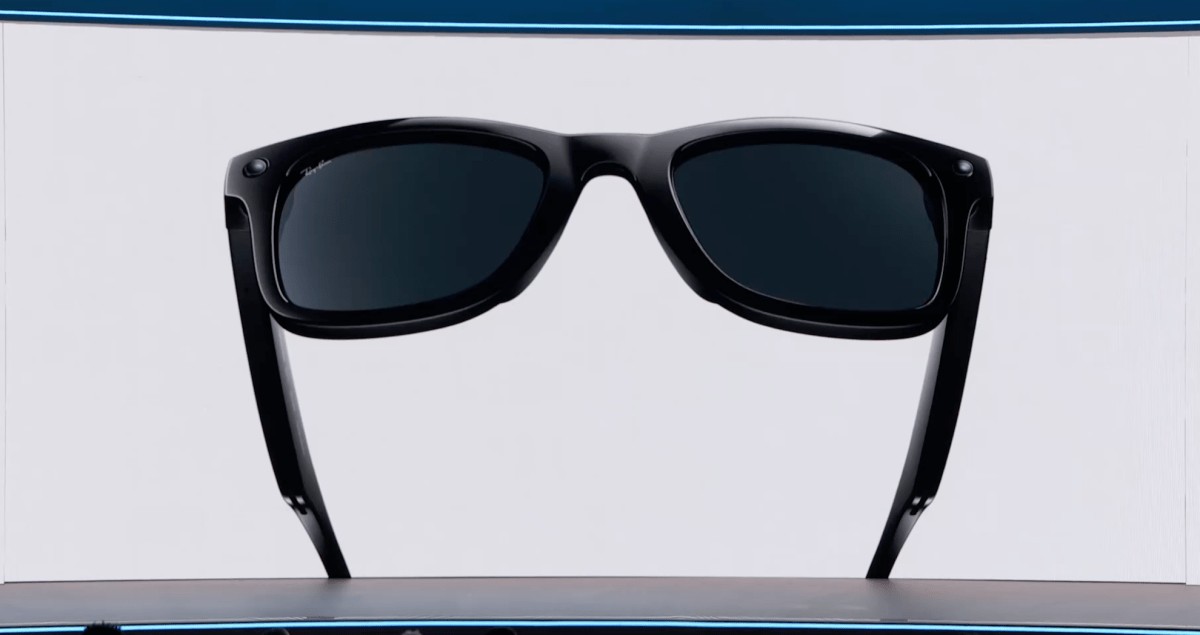
The device went into a USB port behind a television in an executive conference room at OpenAI on September 28. Two days later, someone found it. The arrest came on October 9.
What federal prosecutors added on October 19 was the part of the sequence that runs outside the building. In a court filing, they said the man accused of planting the device, Abdulrahman Alfozan, a Saudi engineer, had been in contact by WhatsApp with a member of the Saudi royal family in the days before he was taken into custody. According to the same filing, that person had earlier approached him about joining a Saudi artificial intelligence program.
The day after that contact, his wife and children left the United States. The filing says the arrangements were made by the Saudi side, and that military personnel assisted with the departure.
Alfozan has been denied bail. His lawyers have argued that he had no intention of fleeing, and that the government’s case for holding him rests on inference rather than on conduct. A recording device in a conference room is a charge about surveillance. A family leaving the country with official help is a fact about reach. Prosecutors placed the two next to each other in the same document without stating what they believe connects them.
The company has dismissed him and has said little else in public, and it has its own reasons for discretion: it is a business selling computing to governments and insurers, and a story about a microphone in the room where strategy is discussed is not the story such a business wants told in the month before it prices shares.
The case began with an internal investigation rather than a security sweep. The company’s own logs recorded access that did not fit the pattern of the person holding the credentials, and the anomaly was located through that record. Nobody found the device by searching the room. It was found because a system that watches what models are asked to do noticed something a badge reader would not.
That detail is the one security executives will read twice. Secrets in this industry usually leave through a credential: an API key copied to a personal laptop, a departing researcher’s cloud account, a vendor with too much access. Physical surveillance is an older method, applied to a company whose most valuable assets are model weights and the habits of a research culture. It worked for two days, which is long enough.
The choice of room explains the method. What matters in a laboratory is rarely a single document. It is the texture of decisions: which program is being defunded, which supplier is being squeezed, what the next model is expected to cost per token, which customer is threatening to leave. A recording of that conversation is worth more than a file, and it is harder to detect afterwards, because nothing has been copied and nothing has moved.
What the filing does not say is what the device captured, or whether it transmitted anything at all. It also does not describe the royal family contact as direction. The distinction carries weight. Interest from a Gulf program in a Gulf engineer working at an American laboratory is ordinary; the kingdom has spent years building a domestic AI sector, recruiting researchers, buying accelerators and negotiating for computing capacity abroad. A message from a member of the royal family days before an arrest, followed by an exit arranged with military assistance, is a different kind of fact.
For the government, the awkward part is the diplomacy. A prosecution that touches a royal court, and a departure that involved state resources, will be handled with attention to a relationship the State Department manages and the Energy Department depends on. Gulf capital is embedded in American computing: data centers, chip orders, joint ventures, sovereign funds with seats in the financing of the buildout. Prosecutors do not weigh those interests. Their supervisors do.
For the industry, the lesson is narrower and more useful. Laboratories that hold the most valuable intellectual property in the economy have tightened software access and left physical access roughly where it was a decade ago. Badge logs, visitor escorts and camera coverage are cheap. The habit of treating a conference room as a secure perimeter is not.
There is also a quieter point about how the case was made. The trail ran through usage records, not through a tip. Companies that host models see an enormous amount of metadata about who asked what and when, and the same instrumentation that flags abuse of a model can flag a person. That is a capability with an obvious appeal to investigators and an obvious cost to privacy, and it is being built into the infrastructure of the industry without much public argument.
The defense will have its own account of the departure: a family leaving a country where the father had just been arrested is not proof that the father planned to leave. Prosecutors will have theirs: a contact, a departure, and a device in a wall. Between those two readings sits a question no filing answers yet, which is whether the engineer was working for the program that recruited him, or whether he was a man with an unusual set of contacts who made a decision he cannot now explain.
The device is evidence now, and the room it was found in is a room again. The days between the message and the arrest are the part still being examined, and the part that will decide what this case turns out to be about.