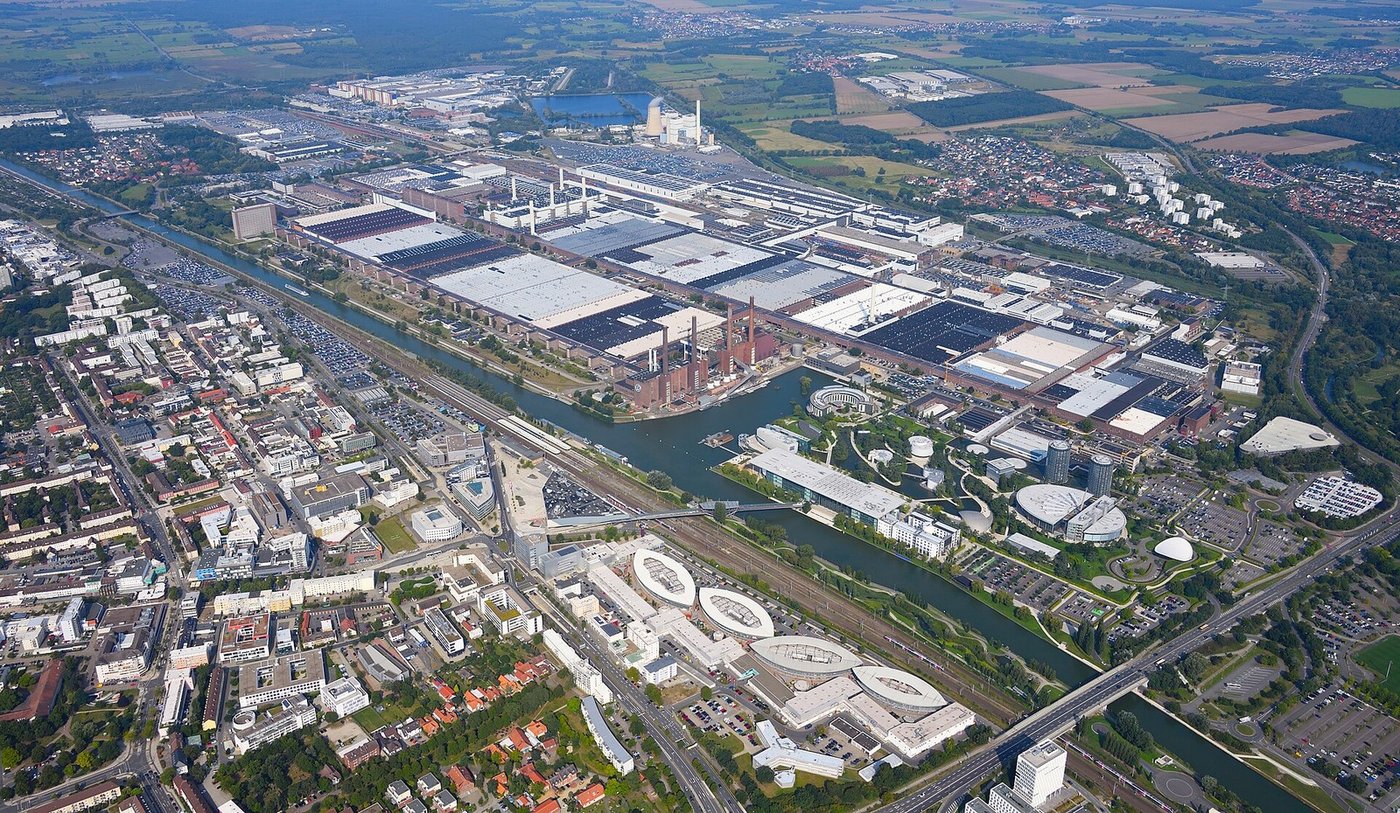
Volkswagen’s management has proposed freezing pay at 2026 levels through 2030 for its roughly 660,000 employees worldwide, with promotions and grade changes already halted inside Germany, Handelsblatt reported on October 19. IG Metall, the union that represents the workforce, is asking for a 5 percent increase over twelve months.
BMW has taken the other route. The Munich company is paying people to leave, with individual severance agreements above 650,000 euros for some employees, and partial retirement benefits preserved for those who qualify, according to German press reports. The target is as many as 8,000 departures by the end of 2027, concentrated in administration and research and development. The company has set aside roughly a billion euros to pay for it, and its internal exit portal drew enough traffic in mid-October that applications were briefly paused.
Two companies, one problem, opposite instruments. A wage freeze holds headcount and stops the cost base from growing. A buyout cuts headcount and raises costs in the year it happens.
The first invites a strike. The second invites a queue at the door.
The arithmetic behind both is the same. German vehicle production was about 4.15 million passenger cars in 2025, 11 percent below 2019, and domestic registrations were 21 percent below their pre-pandemic level. A factory built for a larger market carries fixed costs that no longer divide evenly across the units it builds, and labor is the fixed cost a company can renegotiate fastest.
Volkswagen’s position is the more exposed. The group agreed a restructuring program in September that targets a 10 percent operating margin by 2030 and a reduction of roughly 50,000 jobs, and it is now working through a five-year investment plan of 135 billion euros, 30 billion less than the previous one. People familiar with the discussions said the supervisory board may not approve the plan until January, and the long-term future of four German plants remains unresolved.
The freeze proposal is being read by the union as a demand rather than an offer. Under German co-determination, employee representatives hold half the seats on the supervisory board, and IG Metall can call warning strikes without breaking a peace obligation once talks stall. A company asking for five years of zero increases is asking workers to absorb inflation for the length of a parliamentary term.
BMW’s approach avoids the confrontation and pays for it in cash. Voluntary programs of this kind tend to remove the people who can most easily find another job, which is often the people the company would prefer to keep. The size of the payments also sets a precedent: once a company pays 650,000 euros for a voluntary exit, the next negotiation starts there.
Both companies are managing the same transition. Electric vehicles require less labor to assemble than combustion cars, and the powertrain work that employed thousands of engineers in Stuttgart, Wolfsburg and Munich is being replaced by software and battery engineering that employs fewer people at higher cost. Chinese competitors have taken share in the segments where German margins were thickest, and tariffs have raised the price of exporting from Europe to the United States.
A freeze of this length is unusual in the German system, where collective agreements typically run for twelve or twenty-four months and reopen with a raise. Holding nominal pay flat for five years is a cut in real terms if inflation runs at the European Central Bank’s target, and rather more than that if it does not. IG Metall’s demand for 5 percent is calculated against that gap, not against the company’s margin.
The pressure runs through the supplier base as well. Bosch, ZF and Continental have all announced reductions in German headcount since 2024, and the small engineering firms that supply tooling and components to the assemblers employ a large share of the country’s skilled machinists. When Volkswagen stops raising pay, the wage benchmark for those companies moves with it, which is one reason the union is treating this round as a precedent rather than a local dispute.
The German model that produced these companies assumed rising volumes, consensus between management and works councils, and cheap energy. Two of the three assumptions have failed, and the third is failing. Chemical, steel and automotive employers have all announced cuts in the past eighteen months, and the pattern is the same everywhere: the workforce is asked to accept a smaller share of a smaller pie, and the alternative is a plant closure.
There is an awkward contrast in the calendar. On October 20, at a government investment summit in Berlin, Amazon said it would spend more than 16 billion euros in Germany in 2027 alone, on data centers, satellite broadband and logistics. Foreign capital is arriving in the country at the moment its industrial incumbents are shrinking, and it is arriving in businesses that employ far fewer people per euro invested.
For Volkswagen, the wage round will decide more than the size of a paycheck. A five-year freeze would give the company a cost base it can plan against until 2030 and would also make it harder to recruit the software engineers it needs. For BMW, the buyout program buys a smaller payroll and a quieter works council, at a price that shows up in this year’s accounts.
Neither company has said what happens if volumes do not recover. That is the question the supervisory boards are avoiding, and the one the workforce keeps asking.