Ask the assistant in a new Volvo or Honda where your flight leaves from, and it may answer without being told which flight. Google said Tuesday that Gemini in its car systems can now draw on a driver’s own Gmail, Calendar, Photos and Maps history to answer questions and complete tasks, a capability the company calls Personal Intelligence.
The feature is live on Android Auto, the phone-based system that projects apps onto a dashboard screen, and is reaching vehicles that ship with Google built-in, where Google’s services run on the car’s own hardware without a phone attached. Drivers have to opt in through Gemini settings and choose which apps the assistant may read. Google says the permissions can be switched off at any time.
The pitch is about removing steps. A driver who says “find a restaurant I’ll like” gets suggestions shaped by places they have been before. A question about a meeting pulls the time and the attendees from the calendar, then offers to send a message saying they are running late. Climate, navigation, music and messaging all sit behind the same conversational interface, which means one assistant handles what used to require three taps and a menu.
“Your privacy comes first, so you choose exactly which apps Gemini can access,” Karan Daryanani, a senior product manager for Gemini, wrote in the announcement. That sentence is doing more work than it appears to. Google’s challenge in the cabin is not capability. It is persuading drivers, regulators and carmakers that an always-listening assistant with access to email belongs in a moving vehicle.
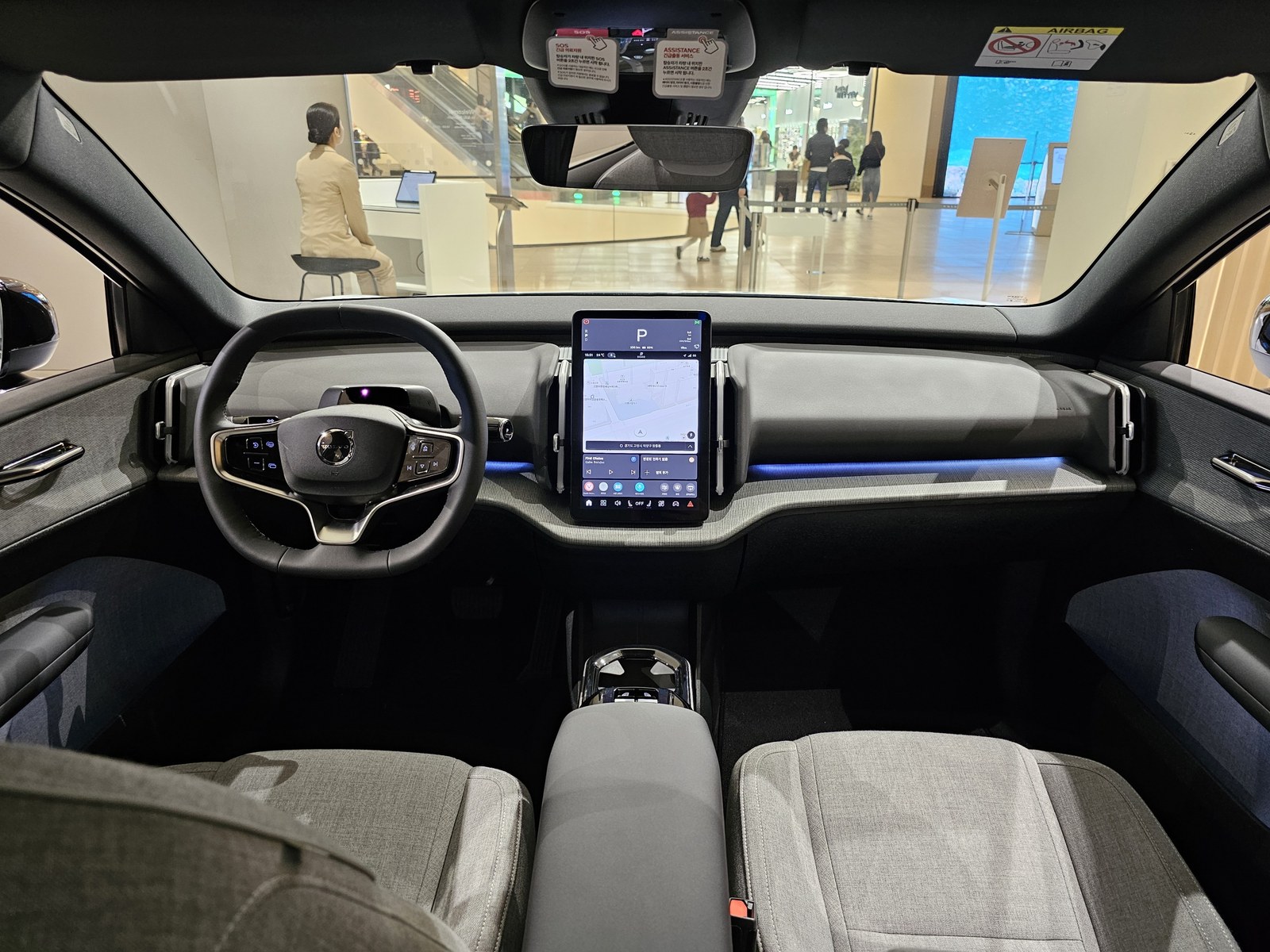
Google built-in is the company’s bid to own the dashboard rather than rent a screen on it. The system appears in vehicles from Volvo, Polestar, Honda, Nissan, Ford, Mitsubishi and General Motors’ brands, among others, and carmakers pay to license it. Android Auto, by contrast, is free to the manufacturer and depends entirely on a paired phone. Both now run the same assistant.
That distinction matters commercially. When Google’s software is built into the car, the company controls the update cycle, the app store and the data flowing out of the vehicle. When it arrives through a phone, the carmaker keeps more of the relationship and can swap in another system. Several manufacturers have chosen the second path deliberately. General Motors stopped offering CarPlay and Android Auto projection in its electric vehicles in 2023 and built its own interface on top of Android. Rivian has refused to support CarPlay at all.
Apple’s position has its own troubles. The company announced a next-generation CarPlay in 2022 that would take over more of the dashboard, and has yet to ship it broadly. That gap has given Google room to argue that its approach is the one already on the road.
Safety researchers have questions about all of it. A 2017 study by the AAA Foundation for Traffic Safety found that programming navigation into some infotainment systems took drivers up to 40 seconds, with their eyes off the road for much of it. Voice interfaces were supposed to fix that, and largely have for simple commands. What is less clear is whether a system that volunteers personal context, and asks follow-up questions to narrow an answer, keeps a driver’s attention in the cabin or pulls it further in.
Federal regulators have taken the position that automakers should design systems that can be used with brief glances rather than sustained attention, and have issued voluntary guidelines to that effect rather than binding rules. The National Highway Traffic Safety Administration has estimated for years that distraction plays a role in thousands of deaths annually, a figure that has not moved much despite a decade of touchscreen growth.
There is a European dimension as well. The European Union’s AI Act began applying to most systems in August 2026, with transparency obligations for conversational assistants and stricter rules for anything classed as high risk. National data protection authorities have been skeptical of voice recordings since the GDPR took effect, and several have fined companies for retaining audio longer than necessary. Google says processing for these features follows existing settings, and that users control the app connections individually.
The commercial logic is straightforward. Google sells subscriptions to Gemini through Google One, and every additional surface where the assistant is useful raises the odds that a driver pays for one. Carmakers, working with thin hardware margins, want software features that justify a higher trim price and give them something to sell after the sale. Both sides benefit from a car that gets better with updates, and both sides are wary of who owns the customer.
What Google has not said is how many vehicles will get the feature, in which markets, or on what schedule. Availability depends on manufacturer, language, region and the data plan in the car, which in practice means a slow and uneven rollout rather than a single switch.
For drivers, the interesting question is not whether the assistant can read a calendar. It is whether the convenience is worth the trade. Google’s answer is that the choice is yours, app by app, and that it can be undone. That is a reasonable position for a company asking to sit in the one place where people cannot easily look at a screen.