Super Micro Computer told investors on Tuesday that it expects revenue of $18.5 billion to $19.5 billion for the quarter ended September 30, up from the $14.5 billion to $15.5 billion range it gave three months earlier. The increase of $4 billion at both ends of the range came with a matching lift in gross margin, which the company now puts at 12.0% to 12.5% against prior guidance of 10.4% to 10.8%.
The figures were preliminary and unaudited. They landed after the market closed, and by Wednesday morning the stock was up more than 12% in premarket trading. Analysts surveyed by LSEG had expected about $15.23 billion, Reuters reported, which puts the company roughly a quarter above the consensus midpoint.
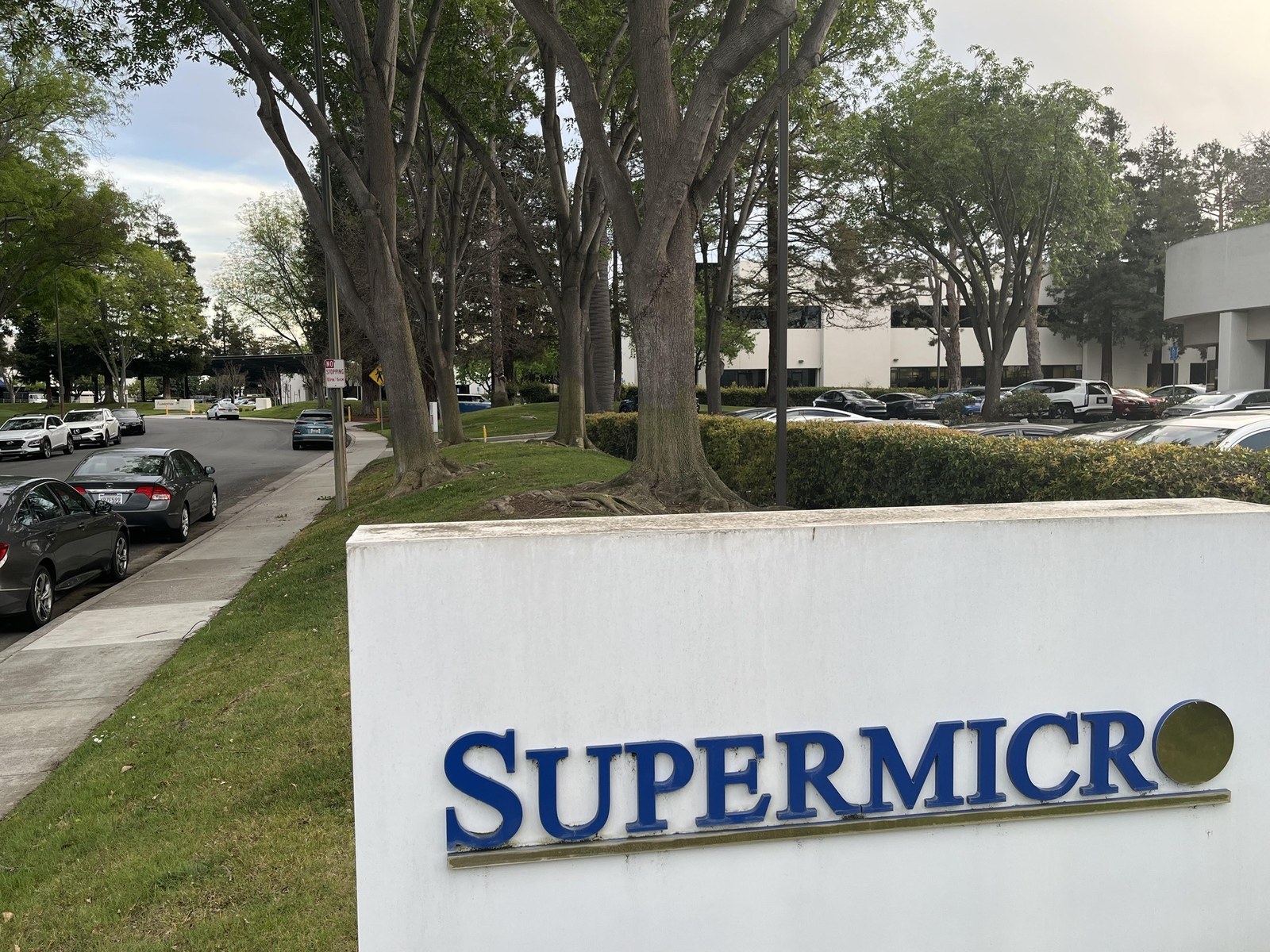
Supermicro, based in San Jose, Calif., builds servers from standardized components, a model that lets it move fast when a chipmaker ships a new platform. The quarter it just closed was the first of its fiscal 2027 year and covered the stretch when Nvidia’s Blackwell-based rack systems moved into volume production. The company attributed the revenue jump to “increased demand for AI platforms” and the higher margin to “customer and product mix.”
Both halves of that sentence matter. Revenue guidance rose by 27% at the midpoint. Gross margin rose by about 1.7 percentage points, which on a bigger revenue base produces far more gross profit. At the new midpoints, revenue of $19 billion and a margin of 12.25% imply about $2.33 billion of gross profit for the quarter, against roughly $1.59 billion implied by the old guidance. That is an increase of nearly half, on a quarter that analysts had expected to land close to the company’s own forecast.
For a company that has spent two years being questioned about its accounting and its order visibility, the update does something no investor presentation could. It replaces a forecast with a number. Supermicro’s guidance has been treated skeptically since August 2024, when a short seller’s report raised questions about related-party sales, the company delayed its annual filing, its auditor Ernst & Young resigned, and the Justice Department opened an inquiry. The company hired BDO, filed the delinquent reports, and kept its Nasdaq listing. Revenue kept growing through all of it. The credibility did not fully come back.
The business itself sits in an uncomfortable place in the supply chain. Supermicro assembles systems around other companies’ chips and sells them on speed of delivery, customization and cooling. Its rack-scale products use direct liquid cooling, which matters more as accelerators get hotter and power density per rack climbs. It also resells a full data center catalog under a program it calls Data Center Building Block Solutions.
Competition is fierce and mostly larger. Dell Technologies and Hewlett Packard Enterprise sell the same Nvidia systems with deeper enterprise relationships. Taiwanese contractors including Foxconn, Quanta, Wistron and Inventec build them for cloud customers who design their own. The cloud providers, which buy in the largest volumes, negotiate hard, and the mix of a quarter can swing gross margin several points depending on how much of the revenue comes from a few hyperscale buyers.
That mix is exactly what the company credited for the margin lift, and it cuts both ways. Large customers bring volume and thin pricing. Enterprise and sovereign buyers bring better margins and lumpier orders. A single quarter of strong margin does not settle which mix the business will carry into 2027.
Working capital is the other constraint. Revenue at this scale consumes cash: inventory for components that must be bought ahead of shipments, and receivables that sit unpaid for weeks. Supermicro has relied on convertible debt and credit lines to fund the gap, and the interest cost of that funding eats into the margin gain. Investors who follow the stock closely tend to watch cash conversion, not just the income statement, because the difference between reported profit and cash collected has been wide in past quarters.
The company did not update its full-year outlook with Tuesday’s release. It scheduled an earnings call for November 3 at 5 p.m. Eastern, when executives will face questions about customer concentration, the durability of the margin improvement, and whether the demand it is now booking is pull-forward from a single product cycle or a broader build-out.
There is macro context on both sides. Alphabet, Microsoft, Amazon and Meta have raised capital spending plans again and again, and the money is going into the kind of dense, liquid-cooled racks Supermicro sells. At the same time, investors have grown sensitive to any sign that AI infrastructure spending is outrunning the revenue it is meant to produce. A supplier beating its own guidance by 27% is evidence that the orders exist. Whether they earn an adequate return is a question for the buyers, not the vendor.
For now the market treated the update as a clean win. The next test is the November 3 call, where executives will have to explain how much of the quarter came from a handful of buyers, and then the audited numbers behind that explanation.