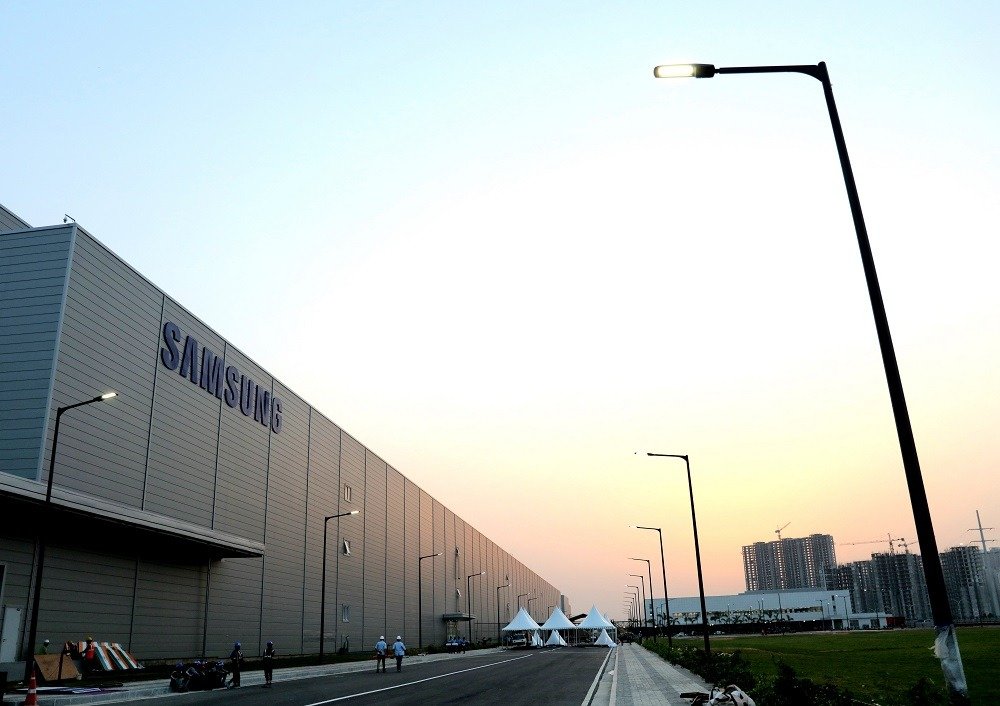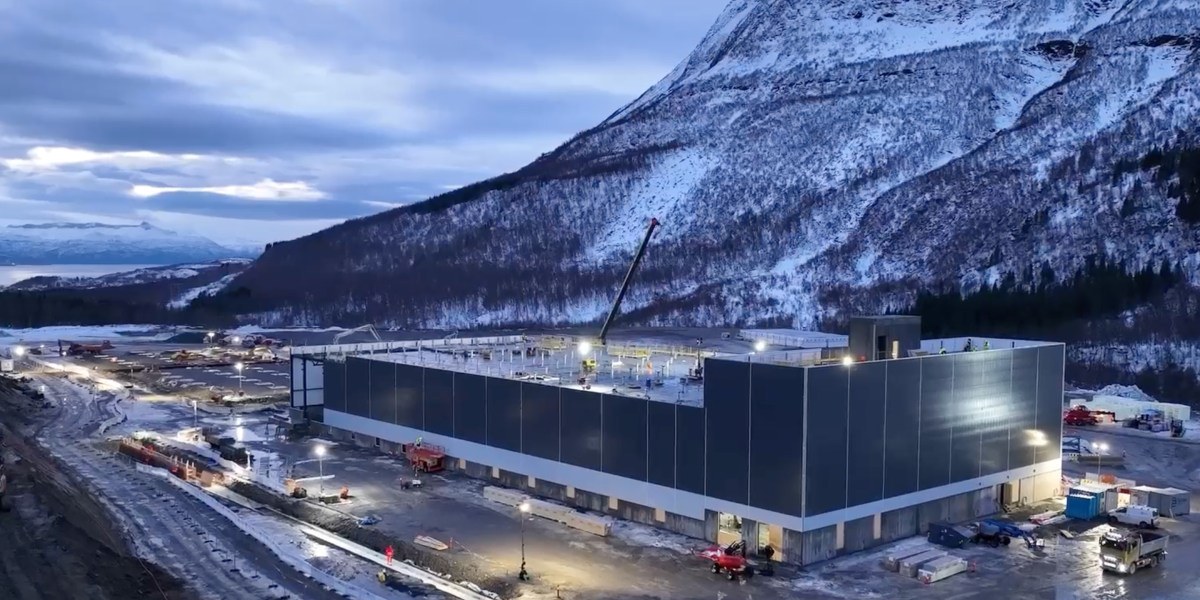
The data center sits beside a fjord in northern Norway, in a building that was once used for something else and now holds racks of graphics processors waiting for work. Someone has to keep it running at three in the morning: swap a failed card, chase a thermal alarm, answer the remote hands ticket that arrives from a customer in California who cannot see the hall. One of the engineers doing that work has now taken his former employer to court.
The engineer, who worked at a Norwegian site operated by Nscale, has sued the British AI infrastructure company, alleging he was wrongfully dismissed. His claim also challenges how he was hired: he says his employment was arranged through a subcontractor, CloudBrothers, in an arrangement he describes as illegal temporary labor. Bloomberg reported the lawsuit on Friday.
Nscale’s head of Scandinavia said the company has terminated its contract with that subcontractor. The company did not comment on the substance of the individual claim, and court filings in Norway are not public in the way American complaints are, which leaves the account one-sided for now. Nscale declined to say how many other workers at the site were engaged through the same channel.
The legal question turns on a rule Norwegian regulators have been tightening. Companies in Norway may bring in workers from staffing agencies only within limits, and the country restricted the practice in construction and industry after unions argued it was eroding pay and conditions. Workers hired in through a subcontractor are entitled to the same terms as the client’s own employees for equivalent work, and arrangements that amount to a permanent loan of labor rather than a defined service can be ruled unlawful.
Wrongful dismissal is a separate and stricter test. Under Norwegian law an employer must be able to show that a termination was justified by the employee’s conduct, the company’s circumstances or operational needs, and courts have been willing to award damages where the paperwork or the process fell short. A dismissal that follows a complaint, a reorganization or a dispute over who the real employer is gets closer scrutiny than a routine redundancy.
Nscale has grown quickly on the strength of the demand for computing capacity. Founded in Britain, the company has positioned itself as a builder and operator of AI data centers in Europe, selling access to GPU clusters to cloud providers and model developers who cannot get capacity elsewhere. It has announced sites in Norway and in other Nordic locations, and it has signed agreements with larger technology companies that need somewhere to put their hardware.
Growth of that kind produces a staffing problem. A data center needs a small permanent team and a large rotating one: electricians during the fit-out, technicians during commissioning, and shift engineers afterward. Building that workforce from scratch in a country with a tight labor market and strong union coverage is slow, and subcontracting is the standard shortcut. The shortcut is legal when it is used properly and expensive when it is not.
Norway is an awkward place to test the boundary. Union density is high, the Norwegian Confederation of Trade Unions has taken an interest in data center work, and the country’s labor court has a long record of looking past corporate structure to find who actually directed the work. A worker who takes instructions from one company while being paid by another has a reasonable argument that the structure was a fiction.
The case also lands in a broader argument about the AI building boom. Data centers are being financed at a pace that outstrips the local workforces available to run them, and the same pattern of layered contractors has appeared at sites in Ireland, the Netherlands and the American Midwest. Labor disputes have followed, usually quietly, occasionally in court. Operators treat them as a site-level nuisance rather than a strategic risk, until a customer’s audit asks about it.
That is where the commercial exposure sits. Companies that buy capacity increasingly ask suppliers about labor practices, safety records and the provenance of their power, because their own disclosure obligations push the questions down the supply chain. A lawsuit in a Norwegian court is small in financial terms and awkward in a procurement questionnaire, and the answer an infrastructure company gives to a question about illegal hiring travels further than the outcome of one dismissed employee’s claim.
Nscale’s response so far has been procedural: end the contract, decline to discuss the individual, and point to the decision as evidence of how the company handles problems. That is a defensible position for a vendor with many sites and a queue of customers. It is less satisfying for the engineer, who must now persuade a court that the company that told him what to do was not the company that employed him.
A hearing date has not been set. In the meantime the site keeps running, the tickets keep arriving at night, and other operators in the region are reading the filings to see which of their own arrangements might look the same in daylight.