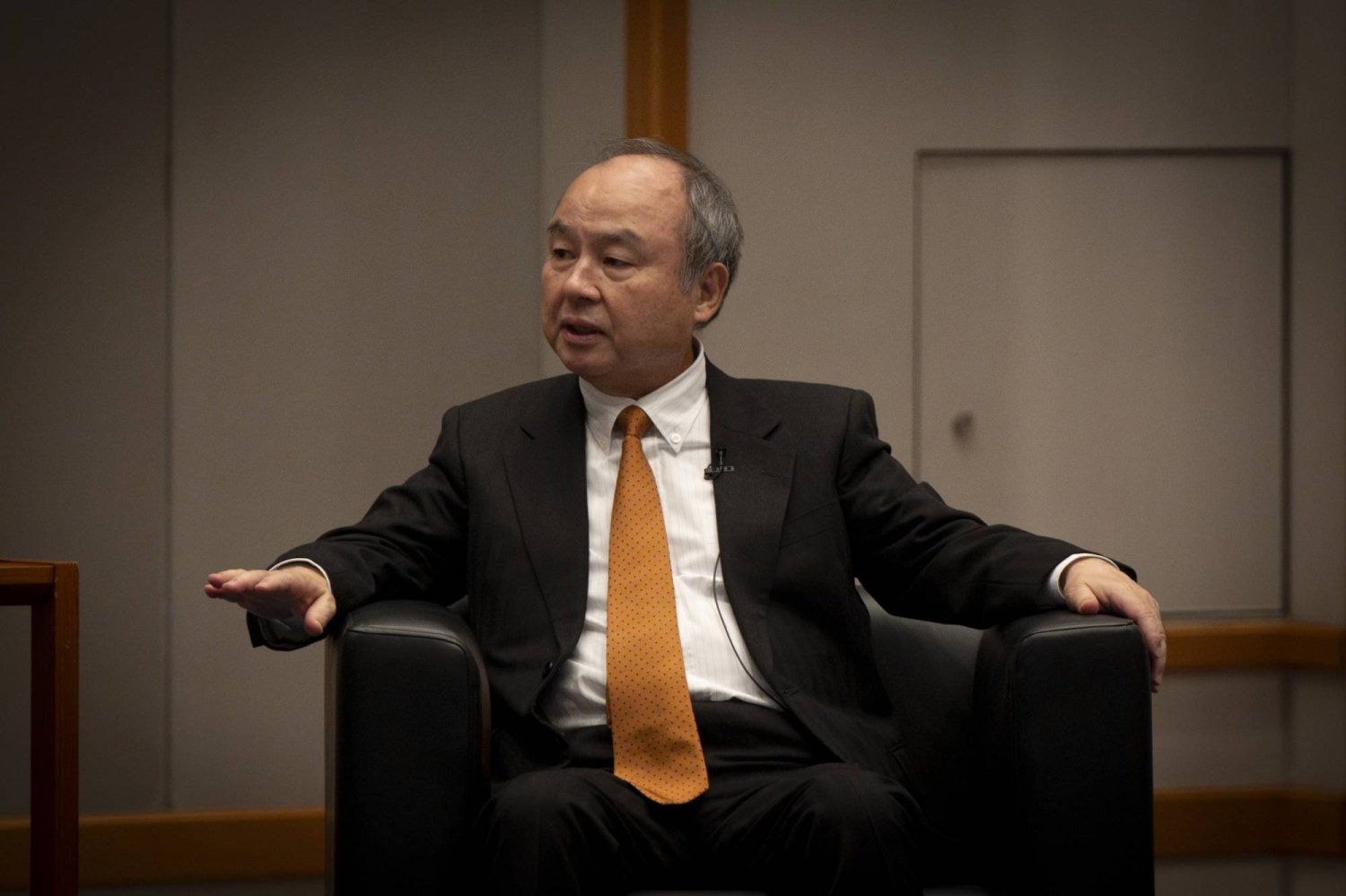
MALACCA, Malaysia—The number came from a political stage, not from a term sheet. Speaking on Oct. 24, Prime Minister Anwar Ibrahim said Masayoshi Son had chosen where in Malaysia to put $50 billion of investment in artificial intelligence, new technologies and data centres: Kuching in the state of Sarawak, and sites on the peninsula.
Bloomberg reported the remarks the following day, attributing them to the prime minister and citing a video conference between the two men earlier in the week. Anwar framed the plan as one of the largest commitments the region has seen.
SoftBank has not confirmed the figure or the locations. Its only signed document with a Malaysian party is a framework agreement concluded on Oct. 8 with Singapore-based Grab and Petroleum Sarawak Berhad, the state oil and gas company known as PETROS, to explore AI and digital infrastructure in Sarawak. Framework agreements are not commitments of capital; they are permission to keep talking.
The arithmetic is what makes the claim notable. Malaysia’s economy is roughly $440 billion in annual output, so $50 billion would be about a tenth of gross domestic product. It would also dwarf the foreign investment the country has attracted so far in this cycle. The Malaysian Investment Development Authority counts 385.7 billion ringgit, about $94 billion, of data-centre-related investment approved between 2021 and the first half of this year, and that total was assembled from many companies over five years.
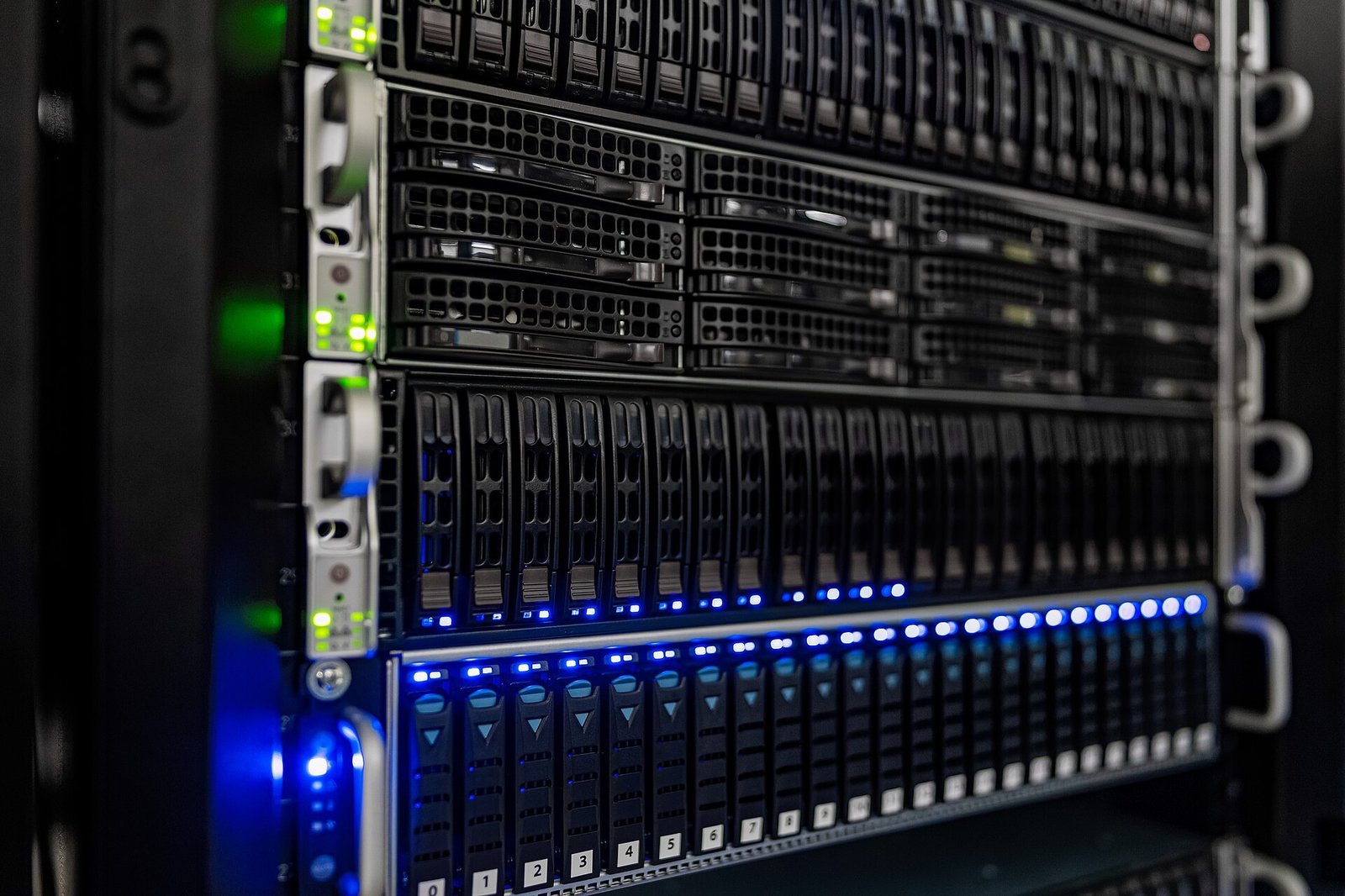
The companies already building are the usual names. Google committed $2 billion in 2024 for its first Malaysian data centre and cloud region. Amazon Web Services has said it will invest $6.2 billion through 2038. Microsoft announced $2.2 billion for cloud and AI infrastructure. Nvidia has supply agreements with local operators, and Johor Bahru, across the strait from Singapore, has become one of the densest data centre corridors in Asia.
Sarawak is the more interesting half of Son’s reported map. The state has something Johor lacks: hydroelectric capacity. The Bakun and Murum dams give Sarawak some of the cheapest electricity in the region and a state government eager to move from exporting power to exporting computation. Kuching has land, water for cooling and a state apparatus that has been unusually direct about wanting AI tenants. PETROS, the counterparty in the October agreement, is the vehicle through which Sarawak channels its energy ambitions.
What Sarawak does not have is a large pool of engineers who can run GPU clusters, or a submarine cable landing that can carry training traffic at the volumes implied by $50 billion. Both are being built. Neither is finished.
The peninsula brings different assets: existing fiber routes, international airports, universities and proximity to Singapore, where the talent and the customers are. It also brings the constraint that has slowed the whole region, which is electricity. Peninsular Malaysia’s grid has been tightening as data centres connect faster than generation and transmission can be added, and the government has begun rationing approvals in some industrial parks.
Son’s habit is to announce at scale before the financing is assembled. In May, he stood beside Emmanuel Macron in Paris to commit as much as €75 billion to 5 gigawatt of AI data centre capacity in France over five years. SoftBank’s SB Energy has proposed a campus at Portsmouth, Ohio, that the company describes as the largest AI data centre in the world, on a site owned by the U.S. Department of Energy. SoftBank is also a partner in Stargate, the $500 billion venture with OpenAI and Oracle announced in January.
The Malaysia number fits the pattern: large, strategically placed, announced by a head of state rather than by the company, and denominated in a currency of ambition rather than a signed contract.
There is a reason Son keeps making these announcements. SoftBank’s balance sheet supports them only with help. The group has been selling down holdings, including its stake in T-Mobile and part of its Arm position, to fund AI infrastructure, and it has told lenders it will keep loan-to-value at conservative levels. Capital for data centres increasingly comes from infrastructure funds, sovereign wealth vehicles and project finance rather than from SoftBank’s own equity, which means an announced $50 billion is often a target for a syndicate rather than a cheque.
Malaysia’s government has its own reasons to amplify. Anwar has made investment announcements a central measure of his economic record, and the country is competing with Indonesia, Thailand and Vietnam for the same tenants. Last year’s national AI action plan set a goal of becoming an “AI nation” by 2030, a phrase that has since appeared in most ministerial statements about data centres.
Analysts who follow the sector are cautious about the gap between announcement and build. A data centre campus of the size implied by $50 billion needs land, power contracts, water rights, import permits for advanced chips and customers willing to sign multi-year capacity leases. In Malaysia, as in Texas and Ireland, the sequence usually runs power first, then buildings, then equipment, then revenue.
The chip supply question is not trivial. Malaysia is a hub for semiconductor packaging and testing, and its ports handle a large share of the region’s electronics trade. Tightened U.S. export rules on advanced accelerators have made Malaysia a focus of scrutiny over transshipment, and any large AI campus would need to satisfy Washington as well as Putrajaya about where its hardware ends up.
For Sarawak, the prize is a role beyond hydropower exports. For SoftBank, Malaysia offers cheap power, a government that wants the deal and a location outside the crowded Singapore-Johor corridor. For the market, the useful test is not the headline number but the first power purchase agreement, which would tell investors whether this is the beginning of a build or another announcement that outlives the news cycle.