The notices went out by text message and email early on Wednesday morning, according to a person familiar with the matter. By the time the Seattle campus had settled into its day, roughly 250 people in Amazon.com Inc.’s devices and services division had learned their jobs were gone.
Amazon confirmed the cuts after Reuters asked about them. “We’ve made the difficult decision to eliminate a small number of roles,” a company spokesperson said, adding that the move would help the company run more efficiently and match its product plans. Most of the positions eliminated were in software development, the person said.
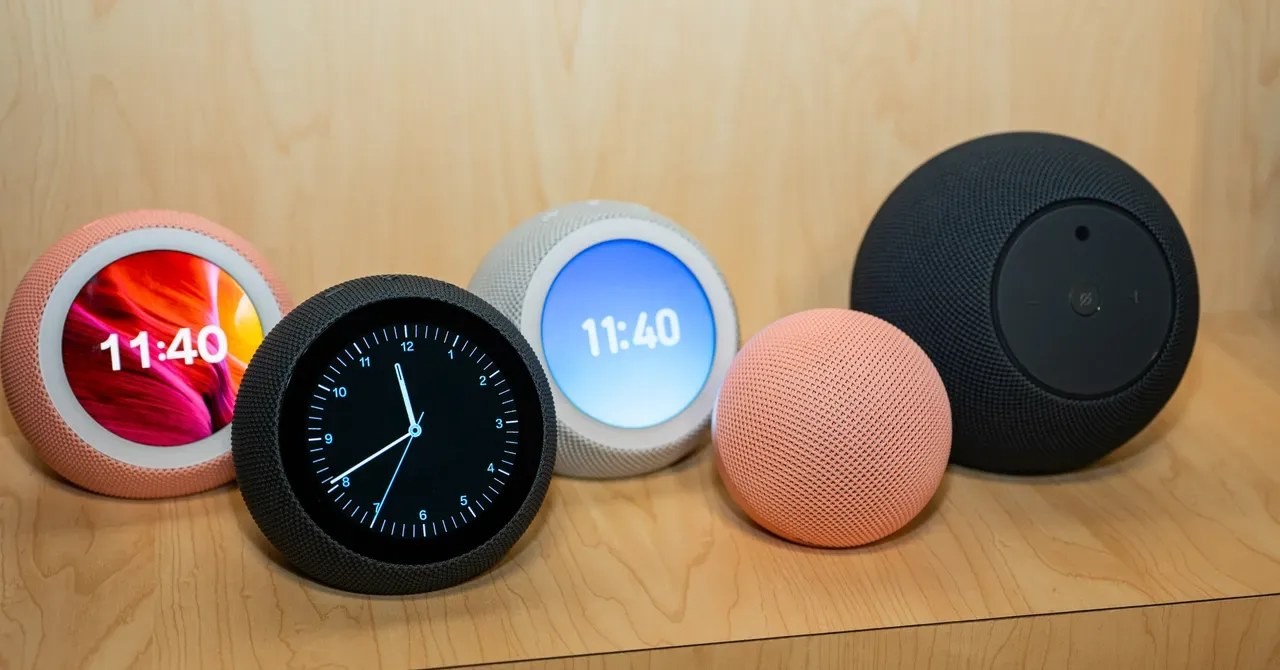
The timing is what employees noticed first. Amazon has spent the past several weeks shipping hardware: new Kindle e-readers, refreshed Fire tablets, and on Wednesday morning, an alarm clock and a photo frame that both run the Alexa assistant. The cuts landed the same day as the last of those announcements.
An internal message from Cherie Robinson, a human resources vice president, told staff the company had completed a review of its structure and was aligning staffing with its product roadmap, according to the person familiar with the matter. Amazon framed the reduction around efficiency, the same language it has used through three years of cost work.
Devices and services is a strange business inside a company that earns most of its money elsewhere. The unit builds the Kindle, the Echo speaker, the Fire TV stick and the tablets, and for a decade it has served as the distribution channel for Alexa, the voice assistant Amazon bet on before the rest of the industry did. It has also been, by most outside estimates, a thin-margin operation that Amazon has never broken out in its financial statements.
That silence matters. When a business does not appear as a line item, investors read it through the decisions management makes around it, and for the past two years those decisions have pointed toward constraint rather than expansion.
The software roles that disappeared are the ones that maintain the layer between the hardware and the assistant: the skill catalog, the device firmware, the services that turn a spoken request into an answer. Amazon has been rebuilding that layer around generative AI, with an assistant that runs on large models and carries a subscription price. The work is expensive on both ends. Training and inference cost money, and the maintenance of older systems that speak to millions of older devices costs people.
A person close to the unit said the reductions were concentrated in teams supporting existing products rather than in the groups working on the next generation of the assistant.
The cut follows a smaller round in October, when Amazon eliminated fewer than 1,000 corporate roles in its retail division across the U.S., India and Britain, hitting customer service and marketplace support teams. Since 2022 the company has removed more than 57,000 corporate positions, about 16% of its corporate workforce, including roughly 16,000 in January.
Against that record, 250 jobs is a rounding error. The division has absorbed smaller reductions in earlier rounds of the company’s cost work, and the pattern is now familiar: hardware launches continue, the software organization behind them thins.
What the two numbers say together is where the money is going. Amazon has told investors it will spend on data centers and custom silicon for cloud computing at a pace that dwarfs anything the devices group requires, and engineers who can build distributed systems have alternatives inside the same company. The person familiar with the planning said hiring inside the company is being concentrated where demand is growing.
The warehouse side runs on a different arithmetic. Amazon said this month it plans to hire more than 300,000 U.S. workers for the holiday season, up from 250,000 a year earlier, most of them in fulfillment and delivery.
The unit’s strategic case has also shifted with the assistant itself. Amazon now sells the rebuilt Alexa as a subscription for customers who do not hold a Prime membership, a change from the free service that put the software in tens of millions of homes. Subscriptions need retention, and retention needs features that work, which is an argument for keeping engineers rather than removing them.
Analysts who cover the company have argued for years that the devices unit earns its place through the data and the habit it creates rather than through its margins. That argument held while Alexa was the only assistant in the room. It is harder to make when the same assistant ships inside a phone app, a car and a set of earbuds made by someone else, and when the company’s own AI spending is measured in tens of billions of dollars a year.
Two questions will shape the next round. The first is whether the cuts stay in software or reach the hardware engineering teams that design the devices, which would signal a retreat from the category rather than a reallocation inside it. The second is what Amazon says on Thursday, when it reports third-quarter results and executives take questions from analysts who have grown used to hearing about AWS and advertising and very little about Echo.
For the 250 people who read the message on Wednesday, the answers arrive late. Amazon has not said whether the review that produced the cuts is finished, and a person familiar with the planning said further changes to the unit have not been ruled out.