Alphabet has been a steady buyer of its own stock since it started repurchases in 2015. In the first nine months of this year it bought back nothing, while issuing $12.4 billion of new shares and $28.7 billion of debt.
Investors got the message on Thursday. The stock fell more than 11% during the session, wiping out roughly $500 billion in market value, the worst single day since the company listed in 2004. The 50-day moving average dropped below the 200-day average, a crossing that technical traders read as a change in direction rather than a bad afternoon.
The trigger was Wednesday’s after-close report for the third quarter. Revenue came in at $127.6 billion, up 25% from a year earlier. Google Cloud generated $30.7 billion, up 103%. Operating income was $40.6 billion, against an expected $43.2 billion.
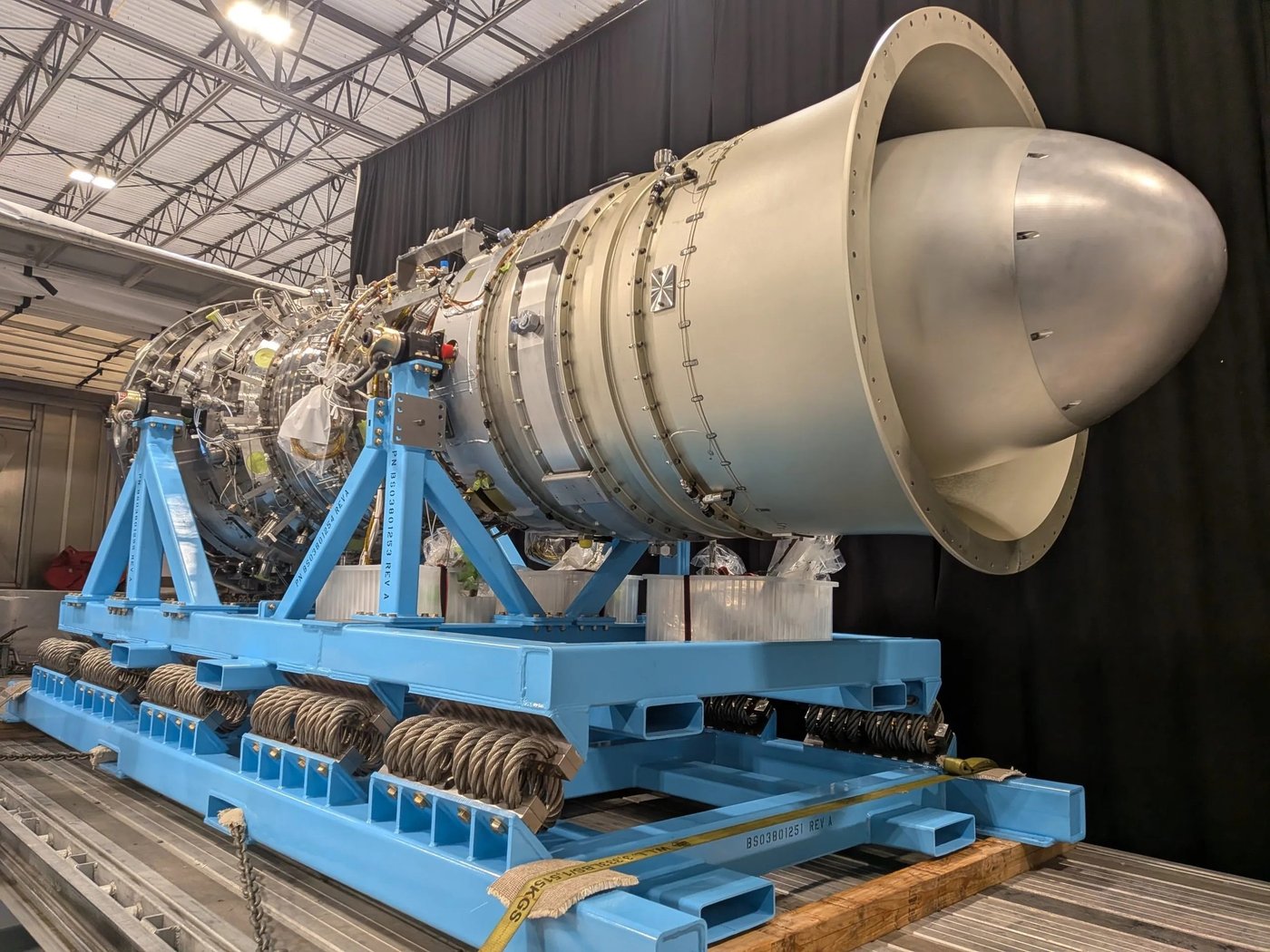
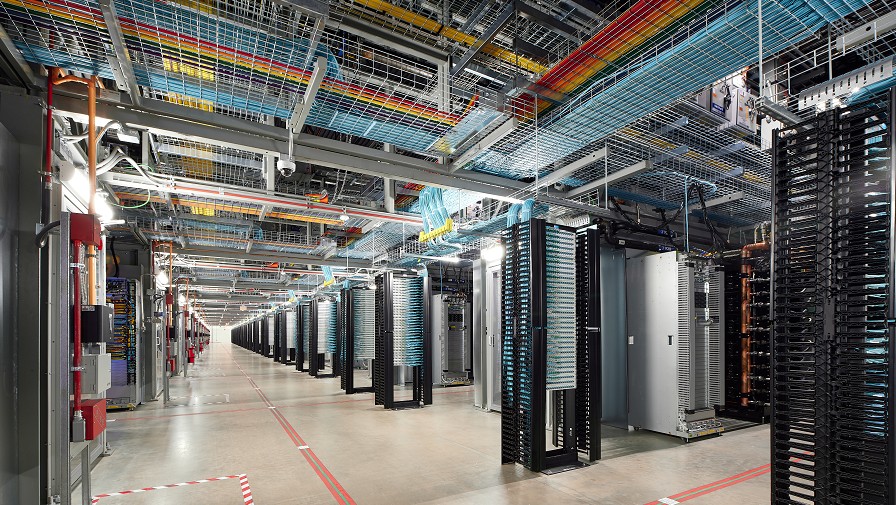
The gap between revenue and profit is where the story sits. Cloud growth of that pace is expensive to deliver: it requires campuses, power contracts and chips booked years in advance. Capital spending reached $51.4 billion in the quarter, double the year-earlier figure, and operating cash flow fell 13% to $42.3 billion. Free cash flow was negative $9.07 billion, against expectations of negative $2.7 billion.
A company can absorb one negative quarter of that kind. It cannot absorb a negative quarter while also stopping its buyback, which is what Alphabet has done. A year ago the company repurchased $39.8 billion of stock in the same nine-month stretch. This year the number is zero, and long-term debt has climbed to $125.1 billion.
The buyback was the mechanism that made the AI spending easier to own. It absorbed dilution from stock compensation and supported per-share earnings while margins were being consumed by depreciation. Without it, the cost of the buildout shows up directly in the share count and in the multiple investors are willing to pay for those shares.
Search is the second problem, and the more uncomfortable one. Search and other revenue was $63.35 billion, up 12%. In the second quarter the same line grew 16.8%. A company can explain away a deceleration of five points, but not when the product being disrupted is the one that funds everything else.
Sundar Pichai, the chief executive, told investors that query volumes grew at the fastest rate in five years. That is a defensible claim and a troubling one, because it separates usage from revenue. Growth in queries without matching growth in search revenue implies that the additional queries are being answered in ways that generate less money per query. AI Mode, the company’s conversational search product, carries a lower monetization rate than the classic results page, and Pichai acknowledged as much.
The market has been willing to fund that transition on the assumption that it would eventually be solved. The third-quarter numbers put a date on the question. Analysts at JPMorgan described the report as a setback in the process of re-igniting the AI trade, a phrase that captures the difficulty: investors had begun to believe the spending cycle was maturing, and this quarter said it was not.
There is a structural feature to Alphabet’s position that makes the arithmetic harder than it looks for peers. The company owns the model lab, the cloud that serves it, the chips designed in-house and the distribution that reaches billions of users. Vertical integration of that kind should produce better unit economics than competitors who rent capacity. Instead, the quarter showed capital intensity rising faster than revenue, which suggests the integration is not yet producing the cost advantage it promises.
The competitive context is unforgiving. Microsoft has been signing large computing contracts with model developers and, as it happens, borrowed $25 billion in the bond market this week to fund infrastructure. Amazon is spending at a similar scale on AWS, where quarterly capital expenditure has been running at levels that exceed what the segment generates in operating profit. Meta has been building for its own models. None of these companies can slow down unilaterally, because the capacity being built now determines who can serve demand in 2028.
That is the trap the quarter exposed. Alphabet’s spending is rational in isolation and punishing in aggregate, because every participant faces the same incentive and the returns arrive later than the bills.
For investors, the practical question is what would restore confidence. Three things would help: a quarter in which free cash flow returns to positive, evidence that AI Mode monetizes closer to the traditional results page, and a resumption of repurchases. None is likely before the first half of next year, given the spending plans already committed.
The longer question is whether advertising can carry the load. Search generates the cash that funds cloud and models, and search is the product most exposed to the shift toward conversational interfaces. A company that funds a new business with the profits of the business it is disrupting has a limited window, and the window is measured in quarters rather than years.
Alphabet still has the strongest distribution position in the industry and a balance sheet that can carry the debt. What it no longer has is the option of returning cash while it spends. That option was worth a great deal to shareholders, and Thursday’s session was the market repricing its absence.