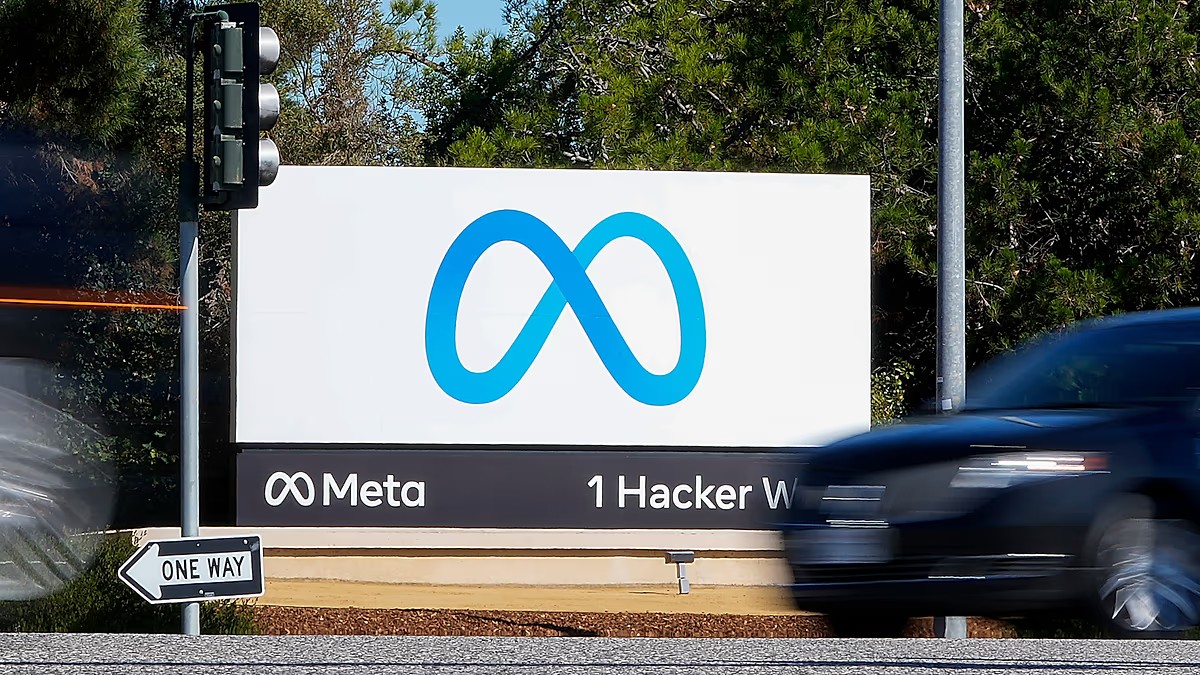
LONDON — The revised terms arrived the way most commercial updates do: a batch of clauses on content use, liability and licensing, sent to publishers and advertisers who had little choice but to sign or argue.
By Friday they were a case file.
Britain’s Competition and Markets Authority said it opened an investigation into Meta Platforms’ proposed new commercial terms, which would allow the company to train artificial-intelligence models on material supplied by publishers and advertisers. The announcement came in the same week Meta told partners it would postpone the provisions indefinitely.
The postponement did not stall the regulator. The CMA said the inquiry would proceed on its original timetable, a choice that signals the agency wants to examine the contract text while it sits unused rather than wait for a dispute to produce harm it can punish after the fact.
Publishers and advertisers have raised two objections. The first is that the terms shift legal responsibility for AI errors onto the customer. The second is that licensing of their content is set by the platform alone, leaving the supplier with no seat at the table when price, scope and duration are decided.
Neither objection concerns whether models should learn from published work. Both concern who pays when something goes wrong and who sets the terms of trade.
The liability clause is the more consequential of the two. Under the arrangement publishers have grown used to, a licensor grants rights to a defined body of work and the licensee carries the risk of how that work is used. The terms Meta drafted reverse the direction: the party supplying text or advertising creative would absorb the consequences of a model producing something wrong, misleading or legally actionable.
For a mid-sized publisher, that exposure is hard to price. A single defamatory output traced to an article in its archive could cost more than the licensing revenue the deal generates. For an advertiser, the risk sits closer to home, because creative copy is often written to make claims that a model may then repeat in a context nobody approved.
The licensing clause is subtler and, in commercial terms, just as consequential. Publishers have spent three years negotiating agreements with model developers, typically covering defined archives for fixed periods with terms on attribution and reuse. Those negotiations have been uneven, but they have been negotiations. A platform that sets licensing unilaterally converts a bargain into a notice.
The CMA’s decision to look at language rather than conduct is the part of the case with the widest reach. British competition enforcement has traditionally arrived after the fact, in the form of fines for abuse of dominance or merger remedies. The Digital Markets, Competition and Consumers Act gave the regulator a different instrument: the power to designate firms with strategic market status and to impose conduct requirements before harm accumulates. The agency has used that authority in app stores, mobile browsers and cloud services. Applying it to AI content licensing is new.
Meta has paused British training plans before. In 2024 the company shelved its use of U.K. user posts for model training after the Information Commissioner’s Office raised objections, then returned with a revised approach. The pattern matters here: the company has shown it will adjust when a regulator pushes, and it has shown it will come back.
That history also explains why the CMA did not treat this week’s postponement as a resolution. A withdrawal of terms is not a change in policy, and a regulator building a record on contract drafting needs the drafting, not the withdrawal, in front of it.
The commercial stakes extend beyond the two parties. Publishers negotiating renewals with other model developers now have a reference point: a national authority that has said the allocation of liability in AI licensing is a competition question, not merely a matter of contract freedom. Advertisers, who buy reach rather than rights, are watching a different part of the same file, because the terms would govern the creative they hand over.
For Meta, the calculation is awkward. Its advertising business depends on a large base of small and mid-sized customers who rarely read terms closely and who have no bargaining power to renegotiate them. A regulatory finding that those terms are unfair would not cost much in fines. It would cost in the template, since any remedy the CMA extracts would shape the contracts Meta offers everywhere else.
Rival platforms face the same exposure without the same scrutiny. Google, Microsoft and a cohort of model developers all rely on terms of service that reserve broad rights over customer content and disclaim responsibility for outputs. None has been asked to defend the drafting in front of a competition authority.
What the CMA can actually do remains open. It could accept changes, force redrafting, or refer the matter for a fuller market investigation. Any of those outcomes would take months, and the terms are already withdrawn.
The narrower question is whether liability for AI output can be assigned by contract at all. European rules on AI liability are still being written, and British law has no settled answer. A regulator that starts with the contract may end up defining the answer by default, one clause at a time.
For the publishers who objected, that is the point. They did not ask for a fine. They asked for a signature they could refuse.