The guidance Intel handed investors on Oct. 29 was $15 billion to $16 billion of revenue for the fourth quarter. Wall Street had $17.07 billion in its models. The shortfall at the midpoint came to roughly $1 billion, and the reasons were not the ones the company would have chosen.
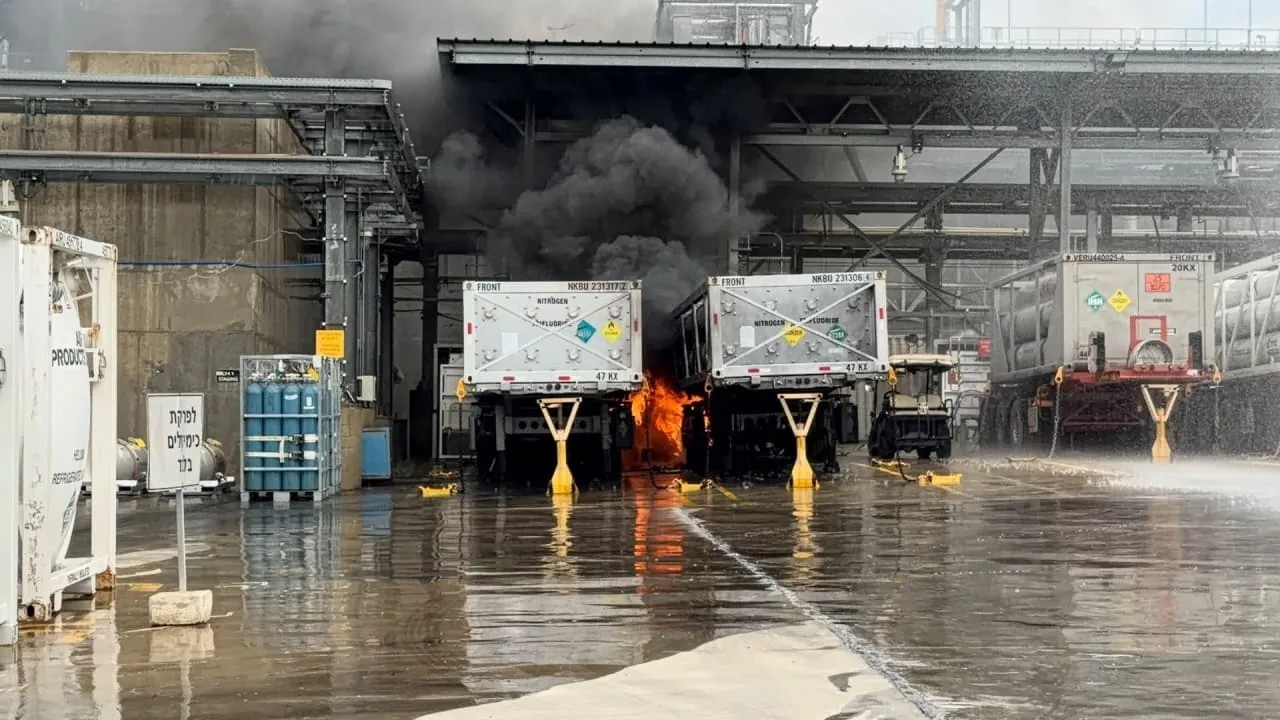
An explosion at Intel’s manufacturing site in Israel will remove about $600 million of revenue across two quarters, management said. The rest of the gap reflects a weakening personal computer market and manufacturing constraints the company has been working through for two years.
The quarter just reported looked better than the guide. Revenue was $16.5 billion, up 20.8% from a year earlier. Data center and AI revenue reached $7.3 billion, up 78%. Foundry revenue was $6.7 billion, up 58%.
Those figures describe a company whose products are in demand. The guidance describes one that cannot supply them fast enough or sell them into a shrinking market. Both things are true at once, and the stock reacted to the second.
Shares fell as much as 23% in after-hours trading and were down 28% intraday on Oct. 30, pushing the market value below $350 billion and erasing more than $130 billion. Wells Fargo cut its target price to $80 from $120 that morning, part of a sweep of reductions across technology names after a difficult week of earnings.
The compounding is what worries analysts. A fire that costs $600 million is a one-time charge against a company with tens of billions in revenue; a PC market that contracts 12% and then another 10% is a change in the base itself. Intel’s client segment sells into that base, and the foundry business depends on the cash the client business throws off. Management has been explicit that the two are linked: the fabs are paid for by the products, and the products are sold into a market that is shrinking.
None of this is unknown for a company in the middle of a manufacturing transition. What is unusual is the simultaneity — a physical accident, a cyclical downturn and a technology ramp arriving inside the same two quarters, at a company with no free cash flow to absorb any of the three.
The PC forecast is the part that travels furthest. Management expects global shipments to fall about 12% in 2026 and another 10% in 2027 — a severe view from a company that sells into the market rather than merely watching it. Intel’s client business still supplies a large share of revenue, and two consecutive years of double-digit decline implies a smaller base for everything built on top of it.
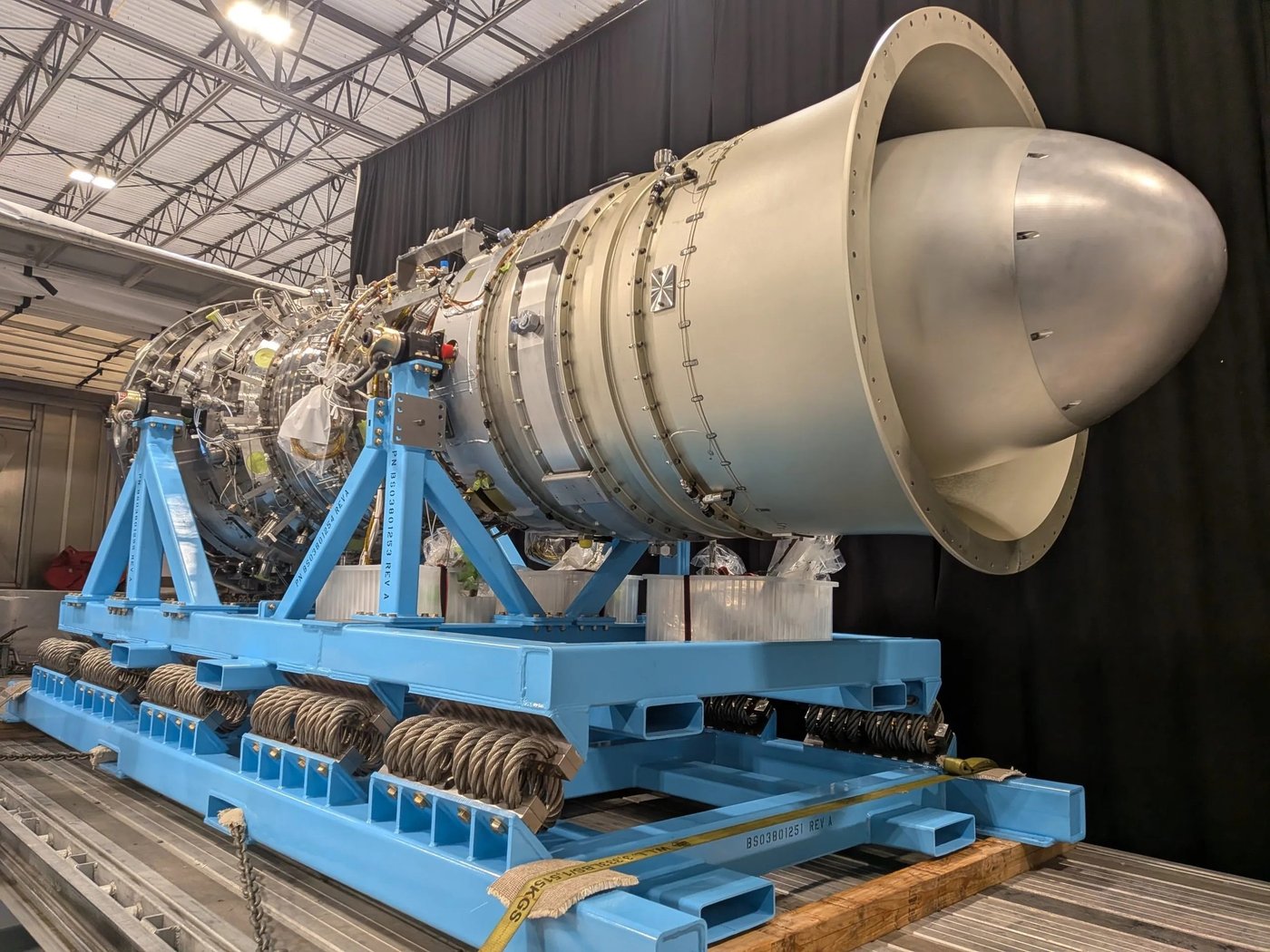
Then there is the factory. Intel has spent the past three years converting itself from a designer that owned fabs into a contract manufacturer that sells capacity to other chip companies, a strategy that requires customers to trust its process technology before it has a record of delivering at volume. The 18A node is the hinge. Management said 2027 will be an investment year, with spending concentrated on expanding Intel 3 and 18A capacity, no positive free cash flow next year, and capital expenditure of about $20 billion in 2026.
Investors have heard the investment-year framing before, in the turnaround that began under the previous chief executive and continues under the current one. What is different this time is that the company has external validation it did not have then: a stake held by the U.S. government, designed to keep leading-edge manufacturing on American soil, and strategic investment from partners who need a second source.
The demand argument management makes is straightforward. Intel expects the market for server processors to grow from about $40 billion today to more than $200 billion within five years, on the theory that AI inference — the work of answering queries once a model is trained — will increasingly run on general-purpose chips rather than accelerators alone. If that forecast is even half right, the capacity being built now has a buyer.
Analysts are unconvinced on the timing. Inference workloads have been migrating toward accelerators because the software stacks are built for them, and the shift to ordinary processors requires customers to rewrite code and accept lower throughput per rack. Several said the $200 billion figure assumes a redistribution of spending that has not started.
The Israel incident adds a physical dimension to a financial story. Intel’s Israeli operations are among its largest manufacturing bases outside the U.S., built over decades with substantial government support. A fire is not a strategic problem; it is an operational one with an accounting tail — lost wafer starts, requalification of processes, and customers who must be reallocated capacity at short notice.
What the quarter establishes is that Intel’s products are selling. What the guidance establishes is that the company cannot yet convert demand into shipment at the pace it promised. The gap between those two facts is where the shares now trade.
Management framed 2027 as the year the spending peaks. Investors heard a year without free cash flow, after a year in which capital spending already runs near $20 billion and the PC market is contracting at double digits. Whether that patience holds depends on yields at 18A and on whether contract customers commit to volume. Those numbers arrive quarterly, and the next one is due in January.