The Zillow number for two neighborhoods north of Phoenix is 53%. The figure for the city as a whole is 42%.
Both cover the same six years, and both measure how much the typical home is worth. The gap is the chip plant.
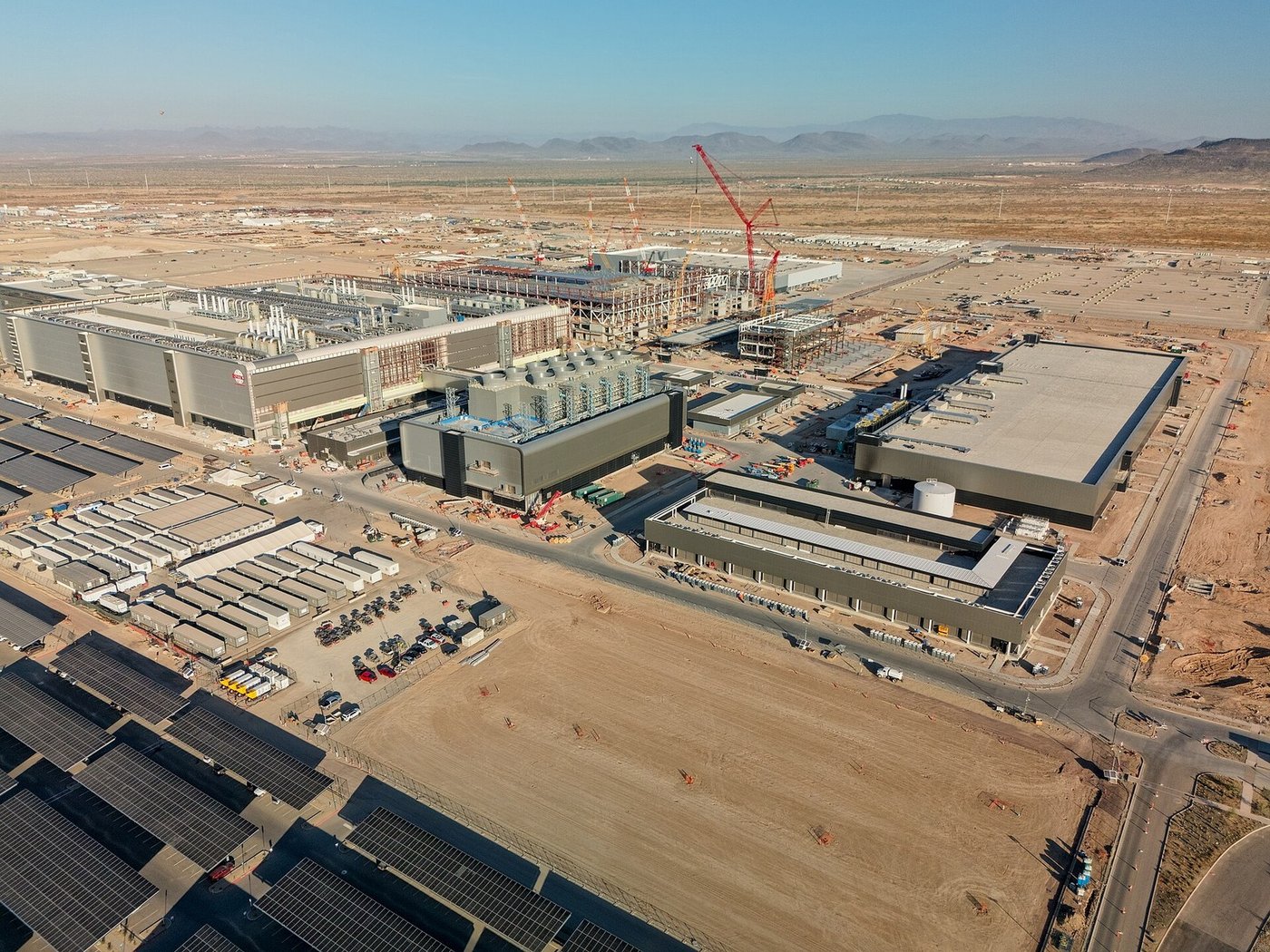
Taiwan Semiconductor Manufacturing Co. chose Phoenix in 2020 for its first U.S. advanced manufacturing site, on 2,000 acres of desert at the northern edge of the metro area. One fabrication plant is running. Two more are due by the end of the decade. This year the company announced a further $100 billion, taking its Arizona commitment to $265 billion, which it describes as the largest foreign investment in U.S. history.
The money has changed the land around it. North Gateway and Desert View, the two submarkets closest to the site, lagged other Phoenix suburbs before the chipmaker arrived, according to Zillow data reported by Bloomberg. They have since caught up, and homes near the plant held their value better than the rest of the city during the correction that followed the pandemic boom.
That pattern is what economists mean when they say a large employer capitalizes into housing. TSMC has hired about 3,500 people in Arizona and plans to add 2,500 more, many of them engineers and technicians earning well above the local median. Each of those hires needs a place to live, and the supply of houses near the plant was set by a land market that assumed nothing much would be built there.
Industrial land moved first. Vacancy in northwest Phoenix fell to 8% in June from 16% a year earlier, a drop far larger than the two-point decline across the metro area. Howard Hughes accelerated the schedule for Teravalis, a 37,000-acre master-planned community west of the city that is eventually meant to hold 110,000 homes and 60 million square feet of commercial space. A $7 billion project called Halo Vista is under construction beside the campus.
Taiwanese capital followed the employees. Investors from Taipei have put more than $500 million into Phoenix-area real estate since 2021, roughly matching Canadian inflows to the region. Taicoon Property Partners paid $88 million for two parcels near the campus and plans a $1 billion mixed-use project anchored by Taiwanese retail brands. Starlux and China Airlines now fly nonstop between Taipei and Phoenix, and Taiwan opened a trade office in the state capital in 2024.
The state’s own numbers are larger. The Arizona Commerce Authority says Arizona has attracted about $319 billion in semiconductor investment since 2020, most of it TSMC’s, and the Phoenix region now has roughly 189,000 semiconductor-related jobs, according to a report cited by the local business press. Those figures are promotional as well as statistical: they are the argument Arizona makes to the next company choosing a site.
The costs arrive on the same schedule as the benefits. School districts in the north valley are adding classrooms for the children of workers who arrived faster than the housing. Water is the constraint that shapes every development decision in central Arizona, and a fab that consumes millions of gallons a day competes for the same supply as the subdivisions built to house its employees. Road capacity, already stretched by a decade of population growth, is being rebuilt around a campus that did not exist when the plans were drawn.
TSMC’s manufacturing needs a workforce Arizona does not yet produce in sufficient numbers. The company sponsors visas for Taiwanese engineers and recruits from American universities and community college programs it has helped design. The gap between those two pipelines is one reason hiring has trailed construction, and one reason demand near the site has been concentrated among higher earners.
The Zillow figures do not isolate how much of the 53% came from the chipmaker. Phoenix was already one of the fastest-growing metros in the country before 2020, and remote work, migration from California and a general housing shortage all pushed prices up. What the data show is narrower and harder to dismiss: the two neighborhoods closest to the plant outperformed a city that was itself outperforming the country, and the outperformance survived a downturn that hit other suburbs harder.
For people who already lived there, the arithmetic is mixed. A household that bought in 2019 has seen its largest asset rise by half. A household that rents has seen the same increase arrive as a monthly bill. Maricopa County has added people faster than it has added housing for a decade, and the plant added thousands of well-paid jobs to a market already short of homes.
The question for the next five years is whether the second and third plants repeat the first one’s effect. Buildings are easier to permit than people are to house. If the next 2,500 hires arrive on the same timeline as the next two fabs, the pressure on north Phoenix will not ease; it will move outward, to the towns that still have land and to the commutes that connect them.
TSMC’s customers have their own incentives. Apple and Nvidia, which buy the most advanced chips the company makes, have pressed for U.S. production for reasons that include resilience rather than cost. That demand underwrites the fabs. It does not underwrite the roads, the schools or the water, which are paid for by counties and cities whose budgets were set before anyone knew how large the campus would become.