Hermès edged past Louis Vuitton in Interbrand’s annual ranking of the world’s most valuable brands. The margin was small enough to be decided by rounding: $45.2 billion against $45.1 billion.
The swap, published in late October, put the French saddlemaker in 15th place and pushed its larger rival to 16th, the first time the two have traded positions in the survey. Hermès gained 11% while Louis Vuitton lost 7%, a spread that says more about pricing discipline than about taste.
The table as a whole grew. Interbrand valued the hundred brands on its list at $3.866 trillion, up 8.1% from a year earlier, with 68 of them gaining. Five of the top ten are technology companies, and the order near the summit shifted again.
Apple held first place for a 22nd consecutive year at $514.6 billion, up 9%. Microsoft rose 14% to $443.7 billion. Google climbed 23% to $389.3 billion, moving ahead of Amazon, which was valued at $351.8 billion. Samsung completed the top five at $105.2 billion, up 16%.
The survey admits a hundred brands, and admission requires a public financial footprint large enough to forecast, a presence in major markets and a name that carries beyond its home country. Companies that fail any of those tests are simply absent, which is why the list reads as a map of consumer and enterprise names rather than of businesses.
The most striking figure in the table belonged to a chipmaker. NVIDIA’s brand value rose 71% to $74 billion, the largest gain of any brand in the survey, lifting the company to sixth place two years after it first appeared on the list at all.
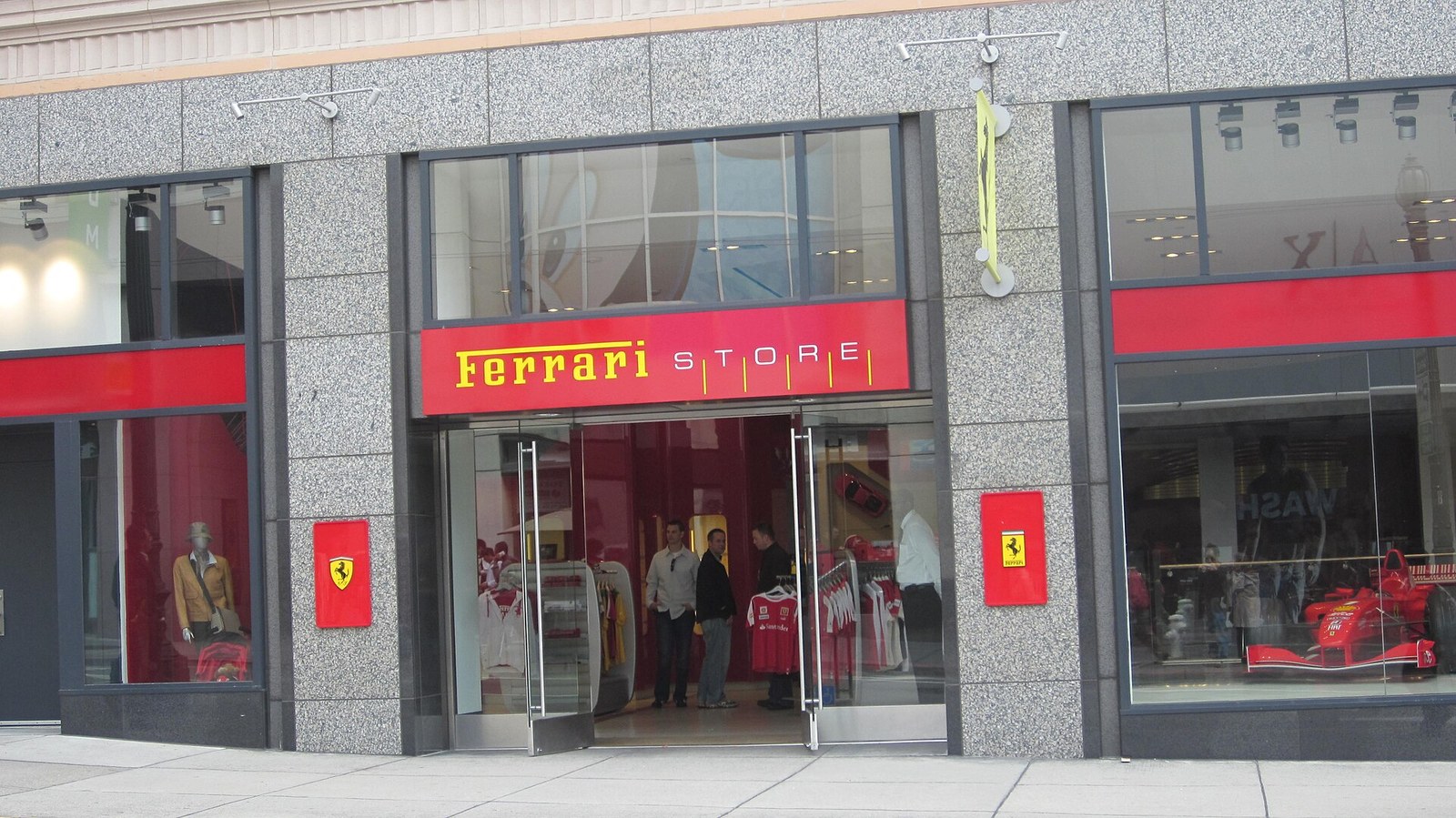
Cars went the other way. The automotive sector shed $56.95 billion of brand value over twelve months, the weakest category in the ranking, according to the consultancy. Toyota remains the most valuable car brand at $59.5 billion and ninth overall, though its own value fell 20%, while Tesla dropped 38% to $18.3 billion and slipped to 50th, the steepest decline in the table. Ferrari rose 15% to $17.7 billion and has now been among the fastest-growing brands for five consecutive years.
Elsewhere the movers were retail and toy companies with a clear story about price and identity. Uniqlo gained 16% to $20.5 billion and climbed to 38th. Zara was valued at $21.6 billion, up 11%, and Lego at $18.8 billion, up 14%. Nike fell 35% to $21.7 billion, a valuation that now sits barely above Zara’s.
Interbrand does not survey affection. It builds its number from a forecast of the financial returns a brand is expected to generate, an estimate of the role the brand plays in a purchase decision, and a measure of brand strength that tries to capture how much of those future earnings the name itself will secure. The output is a discount rate applied to a business plan, which is why the ranking moves when margins move and why a company can be better liked in a worse position.
On that reading, the automotive decline is less about cars than about pricing power. Manufacturers have spent a decade funding electrification and software while competing on discounts in their largest markets, and a brand that has to discount to hold volume is a brand whose forecast earnings have been cut. Toyota’s 20% fall came in a year when it remained the volume leader in most of the world, which is the point: scale without pricing power does not defend a brand value.
The chipmaker at sixth place is the opposite case. Demand for its products is set by customers building data centers on a schedule, and the name has become shorthand for the technology those customers are buying. Whether that converts into a durable brand, in the sense that a consumer goods company would recognize, is untested. A component supplier can be essential and still be replaced by the next generation of components, and brand value built on a shortage has a shorter half-life than brand value built on a preference.
Luxury is where the ranking’s method is most exposed to the cycle: Hermès has run a model of controlled supply and long waiting lists, and the value of its name depends on the waiting list persisting. Louis Vuitton sells across a wider range of price points and channels, so its brand value moves with the spending of a customer who is more sensitive to a slowdown. A gap of $100 million is noise. The direction of the two curves over several years is not.
What the ranking cannot see is where discovery happens. If a shopper asks a model which jacket to buy, and the model answers with one brand and no alternatives, the value of the name at the point of purchase is being reallocated by software that no brand owns. Several of the companies near the top of this table are also the ones building that software, which is a conflict the survey has no line for.
Twenty-two years at the top for Apple describes a business that turned an installed base into recurring revenue and held its prices while doing it. A 71% jump for a chipmaker describes the opposite: a company whose name became valuable because the current buildout pays it. Both are real. Only one of them can be defended if the spending that produced it slows.