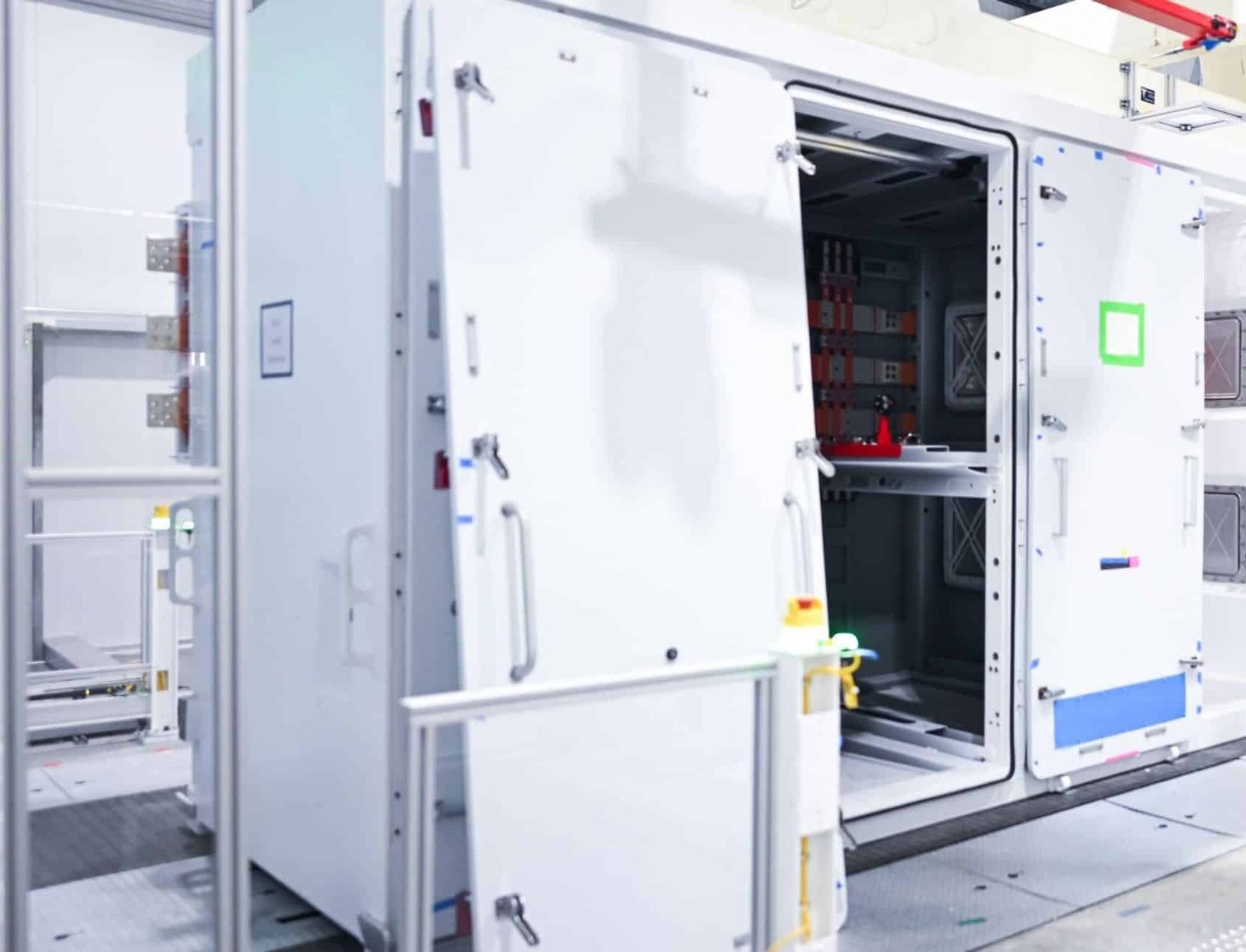
A battery plant in Brookshire, Texas, about thirty miles west of Houston, has been shipping Megapack containers since the summer. What it did not have until this month was a customs arrangement that lets the imported cells inside them enter the country without paying duty on the way in.
The Foreign-Trade Zones Board granted Tesla authority to conduct production activity at the site, according to a notice published in the Federal Register on Nov. 2. The authorization runs for 14 months. It covers battery energy storage products and their components, and it allows the company to bring imported cells and parts into a designated area, assemble them, and pay duties only when the finished goods leave for the domestic market.
That designation is the part that matters. A foreign-trade zone is a site that customs law treats as outside the national territory for duty purposes. Goods can be stored, sorted, assembled and manufactured there while the tariff clock is stopped. When the product finally enters the United States, the duty is assessed on the finished article, and the importer can choose between the rate on the components and the rate on the product, whichever is lower.
For a plant that imports most of its cells, the cash-flow effect is straightforward. Duty on a container of cells is money that would otherwise sit in inventory for weeks or months before the finished product is sold. Deferring it until shipment moves that cost to the far end of the cycle, which matters when a single Megapack unit ties up a large amount of working capital and when the plant is trying to ramp output.
The larger effect is on the tariff itself. Storage systems assembled in the United States from imported cells face a different treatment from cells imported as cells, and the gap between those two rates has widened as Washington has added duties on Chinese-made lithium-ion batteries and their components. Being able to elect the finished-product rate, rather than stacking component duties on top of assembly, can change whether a container built in Texas is competitive with one built in Asia.
Tesla has been building this plant for exactly that reason. The company assembles Megapacks in Nevada and California and has been adding capacity in Texas as demand for grid-scale storage has grown. It began producing the third generation of the product at Brookshire, according to the notice, which put the site in production before the customs question was settled.
Approval was not automatic. The board requires a company seeking production authority to show that the activity will not harm domestic producers of the same goods, and it usually publishes the request for comment before deciding. Utilities and developers that buy storage systems had an interest in the outcome, because a duty advantage at one plant is a price advantage in the bids that supply them.
The authorization is temporary, which is normal for a first grant. Companies typically seek an extension and then a permanent designation once the activity is established, and the board evaluates the second request on the record built during the first. Fourteen months is enough time to demonstrate that the plant is producing at volume and that domestic suppliers of cells and components have not been displaced.
Competitors will be watching the precedent. Most large storage integrators import cells, and several assemble in the United States to qualify for incentives that reward domestic content. A customs arrangement that lowers the landed cost of an imported cell changes the math on where assembly happens, and it is the kind of advantage that shows up in the price of a contract rather than in a press release.
There is a limit to what the zone can do. It does not exempt Tesla from duties, and it does not change the rules on country of origin for the finished product, which determine whether a Megapack qualifies for domestic-content preferences in federal procurement. It moves money and it changes a rate election. It does not make an imported cell American.
The strategic reading is that Tesla is buying flexibility while it waits for domestic cell supply to scale. The company has been building cathode and cell capacity in Texas and Nevada, and every ton of cells it makes at home reduces the volume that has to clear customs. Until then, the zone keeps the imported share of the bill from arriving all at once.
Tesla has not said how much of the plant’s input is imported or what the arrangement is worth. The Federal Register notice describes the activity and the term and nothing more. What it establishes is that the plant now sits inside a legal boundary that customs treats as foreign, which is a strange thing to say about a factory in Waller County and an accurate description of how the tariff code works.