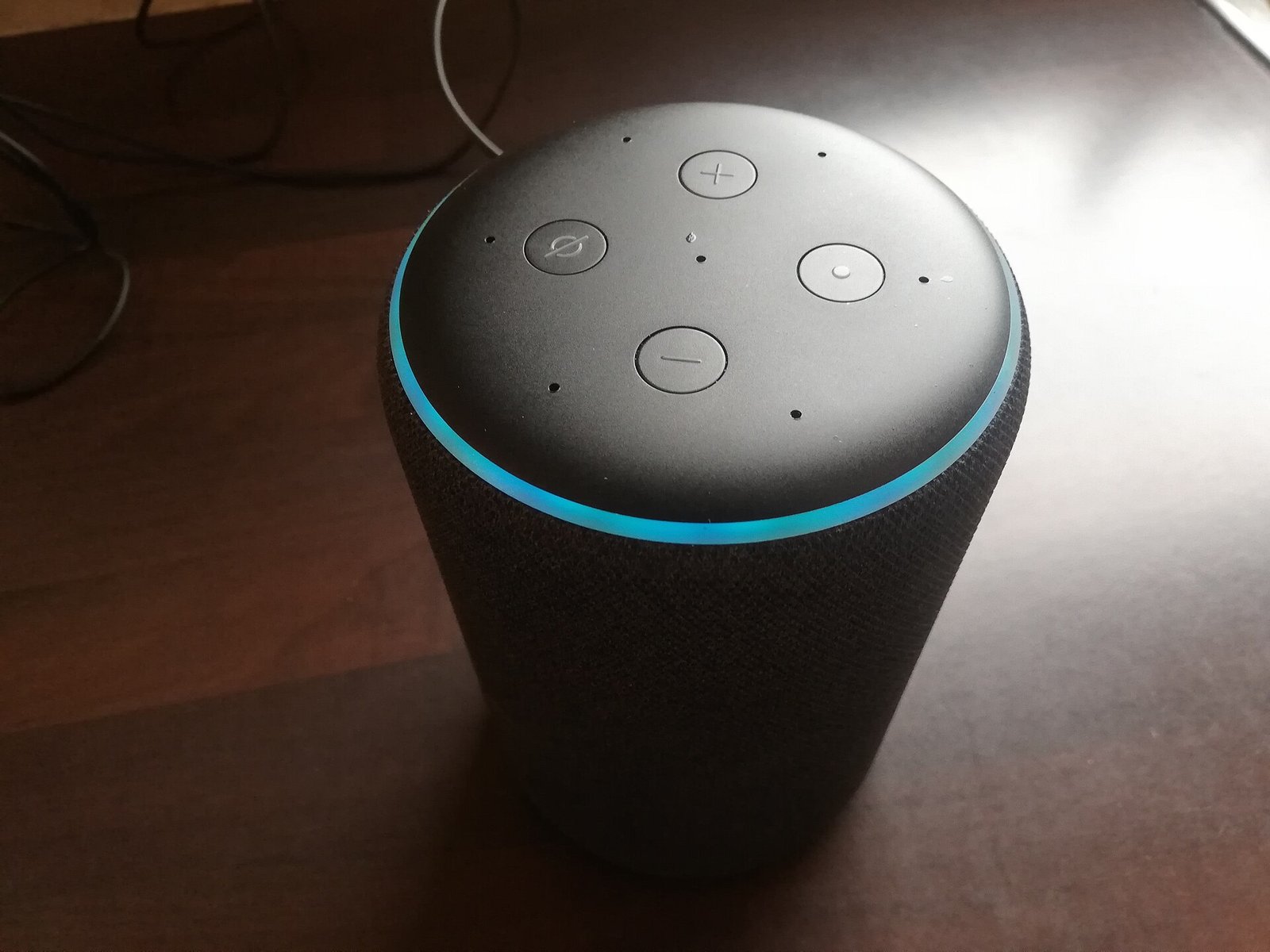
Somewhere in the past year, shoppers stopped treating a chat window as a novelty and started using it the way they once used a search bar. Amazon began taking orders through one on Nov 6, letting customers message Alexa to check a price, compare two items, add something to a cart and complete the purchase without opening an app, tapping a speaker or looking at a product page.
The company said the feature would reach millions of users over the coming weeks. It is the least ambitious interface Amazon has launched in years, and possibly the most consequential, because it removes every piece of software between a customer and a credit card.
Text messaging has one property that matters more than any design decision: it works on every handset ever sold, including the ones whose owners never install another app. Amazon’s own shopping app is a large install base, but it is not universal, and the customers outside it tend to be older, poorer, or simply indifferent to apps. Reaching them through the message thread they already use is cheaper than any acquisition campaign, and it is the sort of channel where the company controls the whole path from question to order confirmation.
The mechanics are unremarkable and that is the point. A shopper writes a question and gets a reply. The assistant holds the context of the conversation, which lets a follow-up like “the cheaper one” land without a new search. For routine purchases, the kind where the buyer already knows the product and only needs the right size or the current price, the chat is faster than navigating a catalogue built to sell things the buyer did not come for.
Amazon’s incentive to own that channel is visible in what it did to a competitor’s. The company had blocked Meta’s Muse agent from plugging into its shopping systems, which means an assistant built by someone else cannot browse Amazon’s inventory, compare its prices, or place an order on a customer’s behalf. Amazon has spent two decades building a marketplace, a logistics network and a recommendation engine, and the assistant layer sitting on top of them is now the part it intends to control.
That is a reasonable position for a retailer and an awkward one for a market. If assistants become the primary way people shop, then the companies that own the assistant decide which stores get seen, and the stores that refuse to integrate disappear from the answer. Amazon can block Meta because Amazon is both the assistant and the store. A smaller merchant has no such option, and its only protection is that regulators have started asking whether a platform can favor its own services over third-party ones. Those inquiries move slowly. The product shipped in a day.
There are practical problems the launch does not solve. Text is a poor medium for evaluating a product. A shopper cannot compare two photographs of a jacket, cannot see the fit on a model, cannot scan reviews at a glance. Some of that can be handled by the assistant summarizing, but summaries sand off the detail that makes a difference between a good purchase and a return, and returns are the most expensive part of retail.
Then there is fraud. Every business that accepts instructions over SMS inherits the spoofing problem: a message that claims to be from a bank, a delivery company, or a retailer, and a link that is not. Amazon will have to authenticate the sender and the order, and it will have to absorb the customers who get it wrong. The company has not published how it will handle disputes arising from messages that were not sent by the person whose account paid for the order.
The rest of the day’s news from Amazon was the kind that rarely makes a headline. Records in Loudoun County, Virginia, showed the company paid $100 million for land to build a data center. The county is the oldest concentration of server capacity on the eastern seaboard, and the purchase is a measure of what the shopping assistant actually runs on. Every message Alexa answers is a request served by a machine in a building that had to be sited, permitted, powered and cooled. The chat interface is the cheap part.
That contrast is the story. On one side, a company spending nine figures on dirt in Virginia to keep up with compute demand. On the other, a product whose entire interface is the twenty-year-old Short Message Service, chosen because it costs nothing to distribute. Amazon is betting that the intelligence can live in the data center while the conversation lives in the place where customers already are.
Whether customers want to shop that way is unresolved. Chat is efficient for the purchase a person has already decided to make and poor for the purchase they have not. Retail runs on discovery, on browsing, on the item a shopper did not know existed until a photograph caught their eye. Amazon’s catalogue was built for exactly that behavior, and a text thread strips it away.
The company’s own history suggests it will run the experiment at scale regardless. It shipped one-click ordering when critics said it would produce accidental purchases. It built a speaker into the home before anyone had a use for it. Text shopping is the same bet with a lower price of entry, and the measure that will decide it is not how many customers try the feature. It is how many of them order a second time from the same thread, and no launch-week number will answer that.