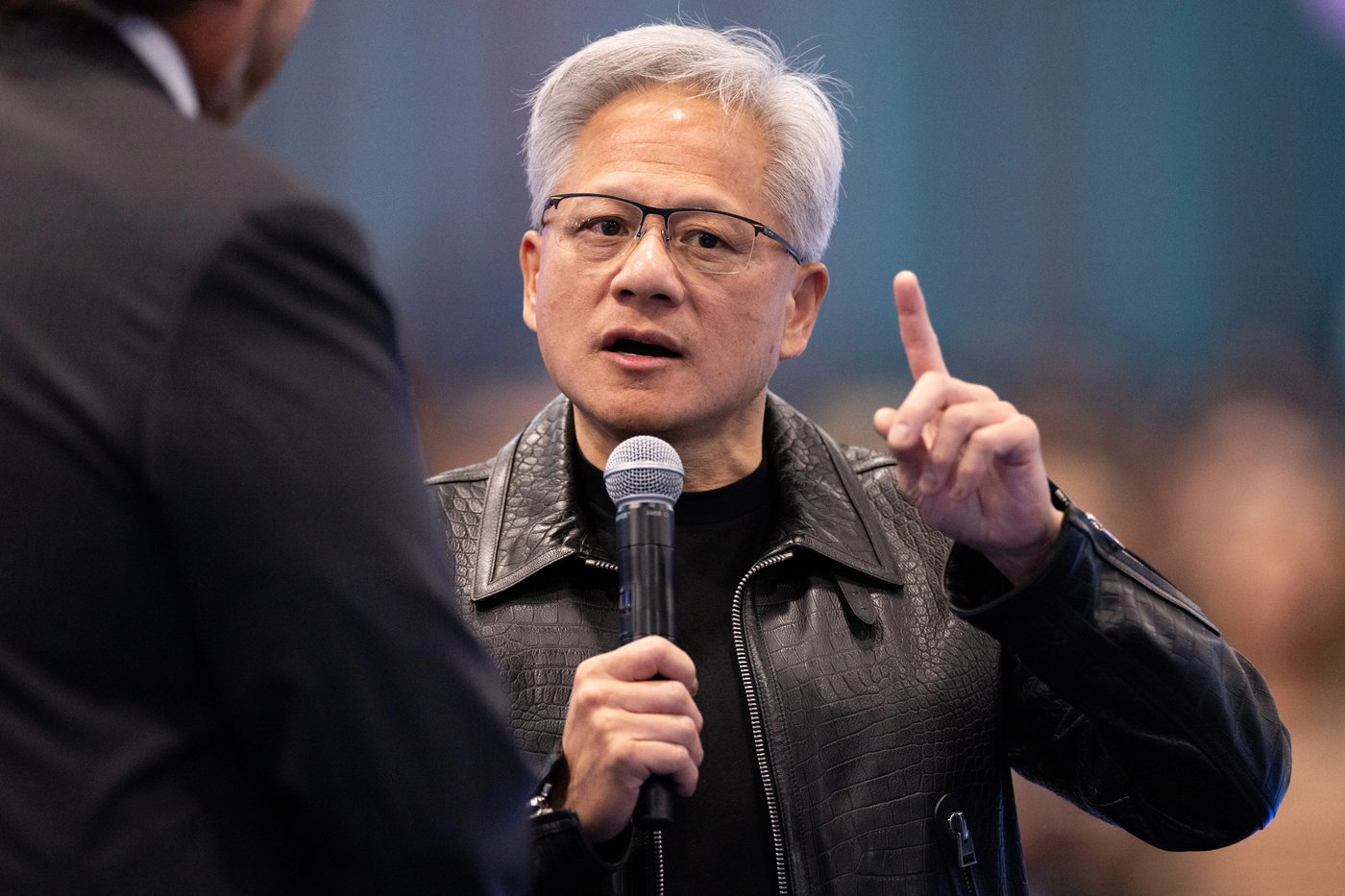
Nvidia’s directors opened an independent investigation on the evening of Nov. 8 into a relationship involving chief executive Jensen Huang, and the calendar around that decision carries as much signal as the decision itself. The company reports quarterly results on Nov. 17. The board acted nine days early, on a matter that began in the press and now runs through a Singapore chip distributor, both parties in Congress and the question of who could run Nvidia if Huang left.
The relationship, first reported in the media, involves a person whom U.S. intelligence agencies suspect of working as a foreign intelligence officer, according to people familiar with the matter. That person is an executive at MegaSpeed, a Singapore-based buyer of chips that has purchased roughly $4.8 billion of Nvidia processors over the past two years. U.S. authorities had previously examined the company over where those chips ended up.
Huang wrote to employees on Nov. 9. He acknowledged infidelity to his wife and apologized to his family, to staff, to the board and to shareholders. He said he had found no evidence that trade secrets or national security had been harmed, and that he intended to continue in the job.
The commercial question is narrower than the personal one. Nvidia sells the accelerators that governments now track across borders, and every large customer is screened against export controls. A distributor that moved $4.8 billion of product and drew scrutiny before is exactly the kind of account a compliance team is paid to watch. A private tie between the chief executive and one of its executives turns a procurement file into a governance file.
Lawmakers from both parties have asked Huang to appear at a hearing. The Nov. 17 call will be the first live questioning in front of investors. Analysts expect the opening questions to be about the investigation rather than about gross margins, which is a change from every call the company has held in three years.
Investors marked the stock down about 4% in premarket trading on Monday. Elon Musk amplified a post assessing Huang and wrote that he agreed with it, a comment that traveled further than anything in the board’s statement. Neither reaction speaks to the merits of the inquiry.
The ownership structure explains why the board moved. Huang holds about 3.58% of Nvidia, there is no dual-class arrangement that would let him outvote directors, and there is no named successor. For a company of this size that combination is unusual. Most founders with a stake that small either hold a voting agreement or have an anointed deputy waiting.
Analysts have started reading the board’s recent housekeeping as part of the same story. Suzanne Nora Johnson joined the audit committee, and commentators have strung that appointment together with the board’s ties to Eric Schmidt and to In-Q-Tel, the venture arm backed by the CIA, into a single account of outside influence. That account is contested and nothing in it has been established.
The direct costs of an inquiry are small for Nvidia. Outside counsel, forensic accountants and a special committee bill in the tens of millions at worst, against quarterly revenue measured in the tens of billions. The expensive part is the attention of the people running the product roadmap in the quarter when the next generation of accelerators ships.
There is a second cost that does not appear on any line. Procurement departments at cloud customers now have a reason to route questions about MegaSpeed and about chip provenance to their legal teams, and a sales cycle that runs through legal review runs slower. Nvidia’s position is strong enough to absorb that friction for a quarter. It is not strong enough to absorb it for a year.
Scope is the operative word. An investigation that covers the personal relationship and stops there will satisfy nobody in Washington. One that covers the MegaSpeed account, the export paperwork behind it and what the chief executive knew about either will produce findings Nvidia may not be able to keep private, because securities law governs the disclosure of material results and not the conduct of the process.
The board’s options are narrow in a way that is easy to miss. Removing a founder who built the company’s technical position, with no successor in place, would cost more than it settles. Keeping him through a probe that keeps expanding means directors absorb the reputational cost themselves, which is one reason independent counsel rather than a board committee is doing the work.
Employees are watching the same evidence as investors. Nvidia competes for chip designers against startups offering liquid equity and against large platforms offering stability, and a leadership question that stays open through the winter makes retention harder at exactly the level where the company is thinnest. Recruiters do not need a finding to make a call.
Nothing on the public record establishes wrongdoing beyond what Huang has acknowledged, and the investigation has not concluded. The test that matters is whether its scope reaches the commercial relationship. If it does not, Congress will run a second inquiry, with subpoenas and a camera.