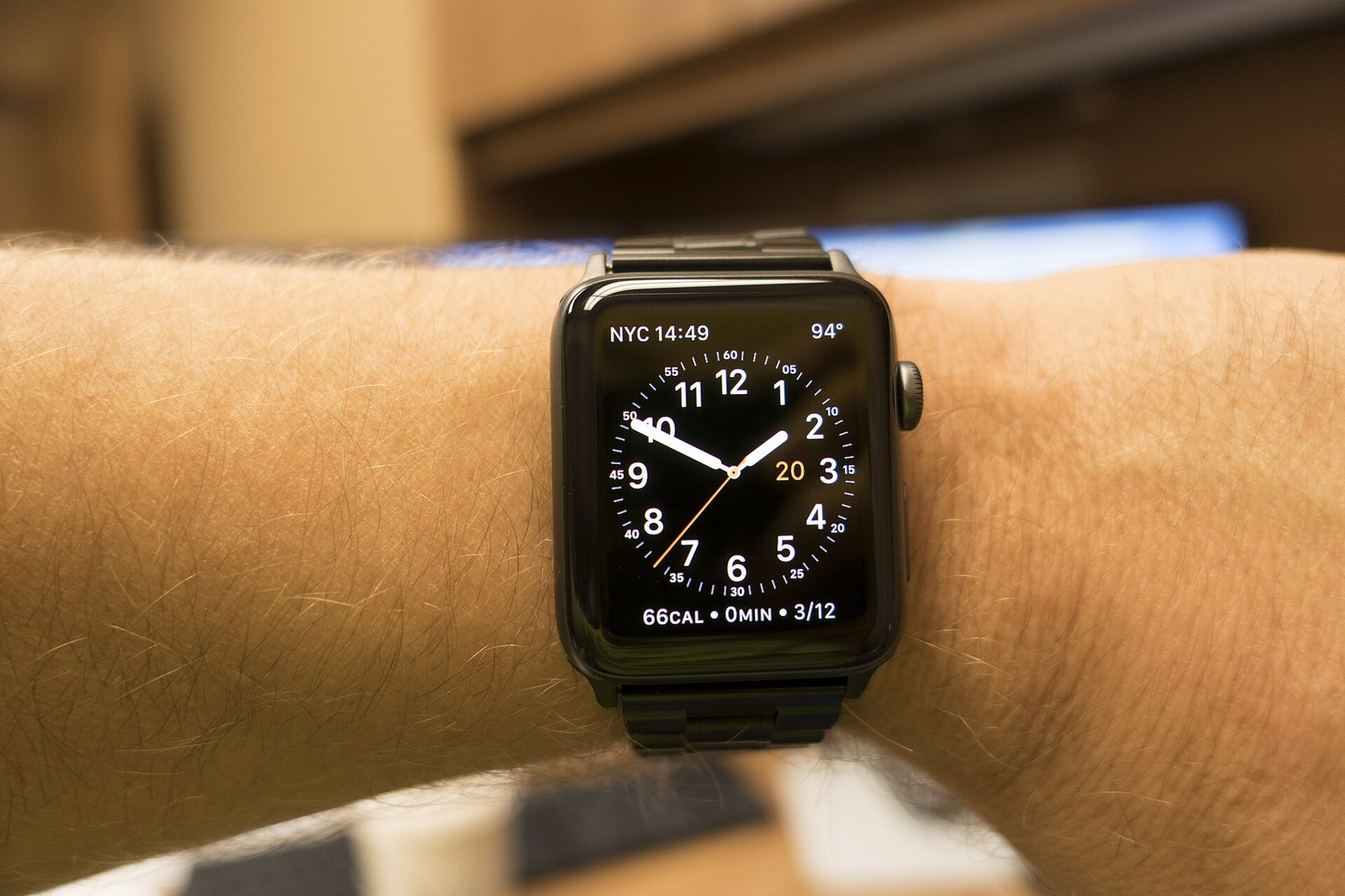
There is a difference between a watch that shows you a message and a watch that answers you. Meta is betting the second one matters.
On Nov. 10, the company’s Muse agent appeared on Apple Watch and on watches running Google’s Wear OS, giving users an entry point that does not require opening the phone first. It is the first time Muse has been available on hardware made by a competitor.
For Meta, the move extends a product that has lived on phones and the web onto the one surface people wear. For the platforms, it raises a question they have been dodging since voice assistants first appeared on wrists a decade ago: who owns the moment when a user asks something.
The mechanics are unremarkable and the implications are not. A watch has a microphone, a small screen, a battery and a radio. It does not have room for an app grid that resembles a phone, which is why assistants have always been the most natural software category on wearables. You lift your wrist, you speak, you get an answer or a tap to confirm.
What Muse adds is continuity. A session that starts on a phone can be picked up on a wrist, or the reverse, without the user restating where they left off. That is a small feature and a large change in behavior: it moves the agent from a destination you open into a layer that is simply present.
The strategic logic is easier to see from Meta’s side. The company does not make a smartwatch. Its hardware business has concentrated on glasses, and its software reaches people through apps on other companies’ devices. Every additional surface where its agent is the first thing a user reaches is distribution it does not have to build a device to obtain.
The platforms have their own reasons to be wary. Apple and Google both ship their own assistants on their watches, and both control what third-party software can do there: how often it runs in the background, whether it can speak without being opened, what it can read on the paired phone. A rival agent that answers first, and well, is competition at the layer where habits form.
There is precedent for the arrangement working anyway. Music services, messaging apps and fitness trackers all found homes on watches they did not make, and the platform owners tolerated them because they made the hardware more useful. The open question is whether an agent belongs in that category or in a different one, closer to the keyboard than to the music player.
Meta’s interest in wearables is not new. The company has spent years arguing that glasses will eventually displace the phone as the primary computer, and it has shipped products on that thesis. A watch is a smaller bet against a much larger installed base: hundreds of millions of devices already on wrists, most of them paired to phones made by two companies that are also its competitors.
The constraint is what an agent can do without a screen. Reading a message aloud is easy. Summarizing a document is possible. Booking a table requires a confirmation loop, an authenticated session and a payment method, and each of those steps is easier on a phone. That is why assistants on watches have mostly been remote controls for something else.
Muse’s pitch is that the loop gets shorter as the agent gets better at inferring what the user wants before the question is finished. Every assistant has made that promise, and users have learned to discount it. What is different now is that the models are good enough to make the promise partly true, which is a more uncomfortable situation for the platform owner than a promise that fails.
The cost of being wrong also rises. An assistant that misreads a music request is a minor annoyance. An agent that misreads a calendar and books the wrong flight costs a refund and an apology. Tolerance for error shrinks as the agent takes on work that matters, and the watch is the surface where there is the least room to check its work.
For Apple and Google, the calculation is whether a third-party agent on their watches makes their hardware more attractive or their own assistants less. For Meta, it is whether presence without a device is enough to build a habit, or whether habits at this layer still require control of the hardware underneath.
Both companies have been here before with other software categories, and both have concluded at different times that the answer was to build their own. Meta’s version of that conclusion is a pair of glasses. The watch is the part of the market where someone else got there first.
The answer will show up in usage that the platforms can see and Meta cannot. Until then, the most concrete fact is a wrist, a microphone, and a company that has decided it would rather be early on someone else’s screen than late on its own.