Siemens booked €34.8 billion of orders in the three months through September, 58% more than in the same period a year earlier and the largest quarterly intake in its history. Analysts had expected about €27.5 billion. Revenue rose 11% to €23.68 billion.
Those two lines rarely move together. Siemens took in roughly €11 billion more than it billed, and industrial profit climbed 22% to €3.89 billion, a margin of 16.8%. The company said orders grew in every industrial business, with Mobility and Smart Infrastructure contributing most. Mobility’s quarter included a €2.4 billion contract for high-speed trains in Germany.
Data-centre products accounted for €7 billion of the €143 billion order backlog, and orders for data-centre equipment doubled in the quarter, Siemens said Thursday. That is a small share of the total and a large share of the story investors are buying.
Management used the results to raise its mid-term target for comparable revenue growth to 7% to 11%, from a range of 6% to 9%. For the year that began Oct. 1 it guided to growth of 9% to 11% and earnings per share before purchase-price allocation of €10.20 to €10.80.
The base for that earnings figure matters. Siemens reported €9.27 a share on the same basis in fiscal 2026, excluding Siemens Healthineers, the diagnostics business it is spinning off. Under the separation, the company plans to hand shareholders 34.1% of its Healthineers stake, at a ratio of one Healthineers share for every two Siemens shares. What remains is a more purely industrial company, with a smaller earnings base and a dividend of €5.50 a share, up from €5.35.
Shares rose 4.7% in early Frankfurt trading before settling about 2% higher. The muted close suggests the order number had been anticipated and the guidance was what investors were reading.
Free cash flow reached €12.1 billion for the year, a margin of 14.5%, which the company described as a record. Chief Executive Roland Busch said industrial AI is “an exceptional growth opportunity, and Siemens is built to win in this space,” and pointed to digital business revenue of €10.9 billion, up 16%.
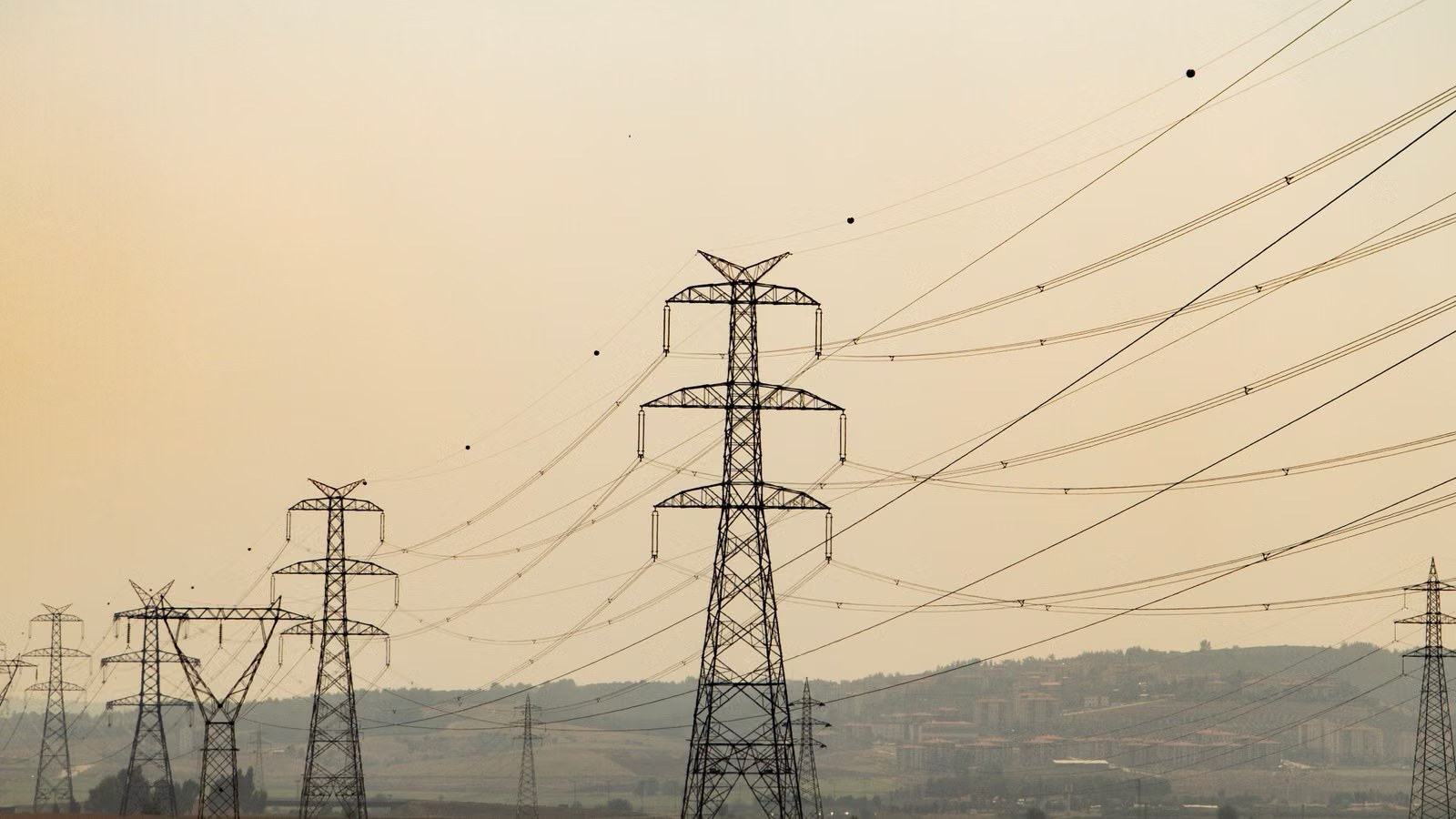
The case for the new guidance rests on electrification. Data centres need substations, medium-voltage switchgear, busways and the equipment that keeps halls of servers cool. Factories need much of the same hardware, plus the automation and software layered on top. Grid operators in Europe and North America are spending on connections and upgrades after years of thin investment, and lead times on transformers and high-voltage gear remain long enough that customers order early to hold a slot.
That last point cuts both ways. A €34.8 billion quarter reflects decisions made months ago, when delivery dates were scarce and buyers wanted to lock in capacity. Order intake of that size does not turn into revenue quickly. Mobility contracts run for years, and a train order booked in September may not be billed until 2029.
The data-centre exposure is smaller than the headline suggests. Seven billion euros of a €143 billion backlog is about 5%, and Siemens sells into the buildings around the servers rather than into the servers themselves. Its Smart Infrastructure backlog passed €25 billion, which is where the growth is concentrated.
Digital Industries, the automation and software division, is the piece tied most directly to manufacturing confidence, and manufacturing confidence in Europe has been thin for two years. The company’s argument is that software and AI add-ons raise the value of each installed machine, lifting margin without requiring a new plant to be built. Software revenue also renews more reliably than hardware, and a higher share of it is what supports a premium multiple on industrial earnings.
Profitability supports part of that claim. An industrial margin of 16.8% in the quarter is high for a business that also builds trains and maintains gas turbines, and full-year earnings per share before purchase-price allocation rose 14%, faster than revenue.
The risk sits in the mix. Project businesses earn their margin on execution, and a backlog built quickly at fixed prices is a backlog exposed to wage inflation and component costs two or three years out. Siemens has spent a decade walking away from low-margin work to protect that margin, a discipline easier to keep when orders are scarce than when they are plentiful.
There is also the question of what the train contract represents. A single €2.4 billion award in Mobility can flatter a percentage, and German rail spending is decided by a government budget rather than by a corporate capital cycle. Remove it and the growth rate is still strong, but the shape of the quarter changes.
For investors, the results pose a narrow question: was 58% growth a new baseline or a snapshot of customers ordering early? Book-to-bill for the quarter was 1.47, against the 1.0 that signals a company replacing what it ships. The answer arrives in the book-to-bill ratio over the next two quarters. A ratio near one would suggest the intake was borrowed from the future. A ratio that stays above one would mean Siemens has more pricing power than its mid-term target implies.
The company has now promised growth of 7% to 11% a year and a margin structure to match. It has the backlog to attempt it. Whether the €7 billion of data-centre orders grows into a larger share of the €143 billion depends on capital spending decisions made by other companies, in Texas and in Johor and in Dublin, none of which Siemens controls.