Scott Kirby was asked about personal AI assistants at an event on Tuesday and answered in a way chief executives rarely do. “To be honest, I don’t want to create another middleman,” the United Airlines chief said, according to The Wall Street Journal. A day later, his company put the sentiment into policy.
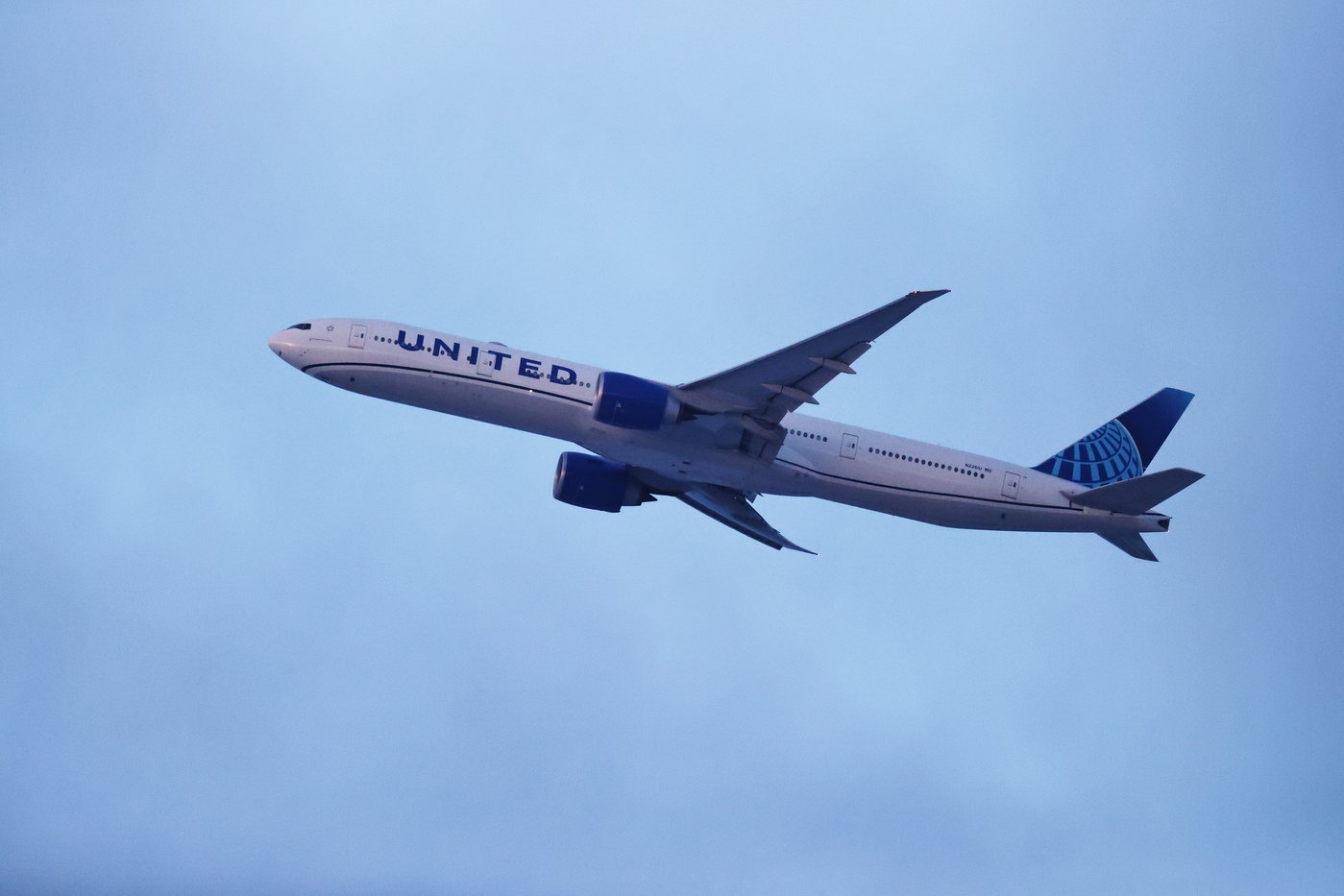
United said Wednesday that it is restricting third-party AI agents from logging into customer accounts, booking tickets and changing reservations, and that it will enforce the rule inside its own app and website and indirectly through travel agencies and aggregators. The carrier is updating booking, ticketing and distribution policies and its customer-facing Digital Trust Center to explain the change.
The stated reasons are three, and only the third is unusual. Sharing account credentials with an outside assistant can expose personal and payment information, the company said. An agent can act in ways the traveler did not intend, producing purchases, account changes or redemption of MileagePlus miles. And automated actions can conflict with federal rules, because check-in requires a human to acknowledge that a bag holds no prohibited items such as explosives.
That last point turns a commercial preference into a compliance position. Airlines operate under Federal Aviation Administration and Transportation Department requirements that assume a passenger, or someone accountable to one, is present at specific moments. An assistant that clicks through a check-in screen is not present in any sense a regulator recognizes, and no carrier wants to be the test case that establishes otherwise.
The scope reaches past one product. United’s policy covers bots, browser extensions and browser features that act for a consumer without the airline’s permission, and it binds travel agencies and booking platforms, which may use their own AI tools only with United’s consent. Bookings made before Nov. 11 will not be canceled, though the airline suggested travelers review them.
Volume, for now, is small. The Journal reported that United has not seen many customers try to book through agents, an observation that matches what other consumer businesses have said. DoorDash disclosed last month that it had received only several hundred orders from AI agents. A prohibition costs an airline very little when almost nobody is doing the thing being prohibited.
Air travel differs from a restaurant reservation in the plumbing underneath. Flight inventory sits in systems that agencies reach through intermediaries and APIs, and at least one of those intermediaries, Duffel, supplies the interface that Meta’s Muse and other agents use to sell seats. An airline that wants to stop the traffic has to close doors it does not fully control, which is why United’s language reaches agencies and aggregators rather than stopping at its own login page.
The direction of the products is not in doubt. Meta, Google, OpenAI and Anthropic have all shipped assistants that do more than answer questions, and the pitch is that a user describes a trip and the software completes it. Meta’s Muse and OpenAI’s Dots are marketed as agents that act, not chatbots that suggest. Every one needs a credential to act on a United account, and credentials are precisely what United says it will not accept from a third party.
The gap underneath the dispute is authentication. Delegated authority for software agents is still being standardized, and most implementations in the wild amount to handing over a password or a session. That gives the agent the traveler’s full rights, with no scope, no spending limit and no audit trail the merchant can read. Card networks and banks have begun building tokenized versions of the same idea; airlines have not.
There is also a distribution argument United does not make in public. Carriers have spent two decades pushing customers from global distribution systems to their own apps and websites, where ancillary revenue is higher and the customer relationship is direct. An AI assistant that books through an intermediary reintroduces the middleman the industry spent billions to remove, and it does so at the moment of purchase, where the margin is.
Delta’s public position has been softer and vaguer, saying it would need to be mindful of security and the customer experience. That is the language of a company waiting to see how enforcement works. If one large carrier blocks agents and its competitors do not, the agents will route around the block, and the block will cost the blocker bookings without changing the behavior.
United left itself room. It said it sees the opportunities agents present as they advance, and that it wants protections in place first. It has no partnership with any agent maker today, which means the door is closed rather than locked, and the difference between those two states is a negotiation.
Some of the same questions are now being written into European consumer law, where a proposal published Wednesday would give consumers explicit rights when an agent buys on their behalf. That is a rule about who bears the loss. United’s policy is a rule about who holds the password. Neither answers the question travelers will actually ask, which is why the assistant that booked the wrong flight should be the airline’s problem.
The harder issue is verification. An airline can require an acknowledgment at check-in because it knows a person is on the other side of the screen. If the industry eventually accepts agents, it will need a way to prove that a specific traveler authorized a specific transaction, and that proof does not exist yet in any form United has agreed to accept.