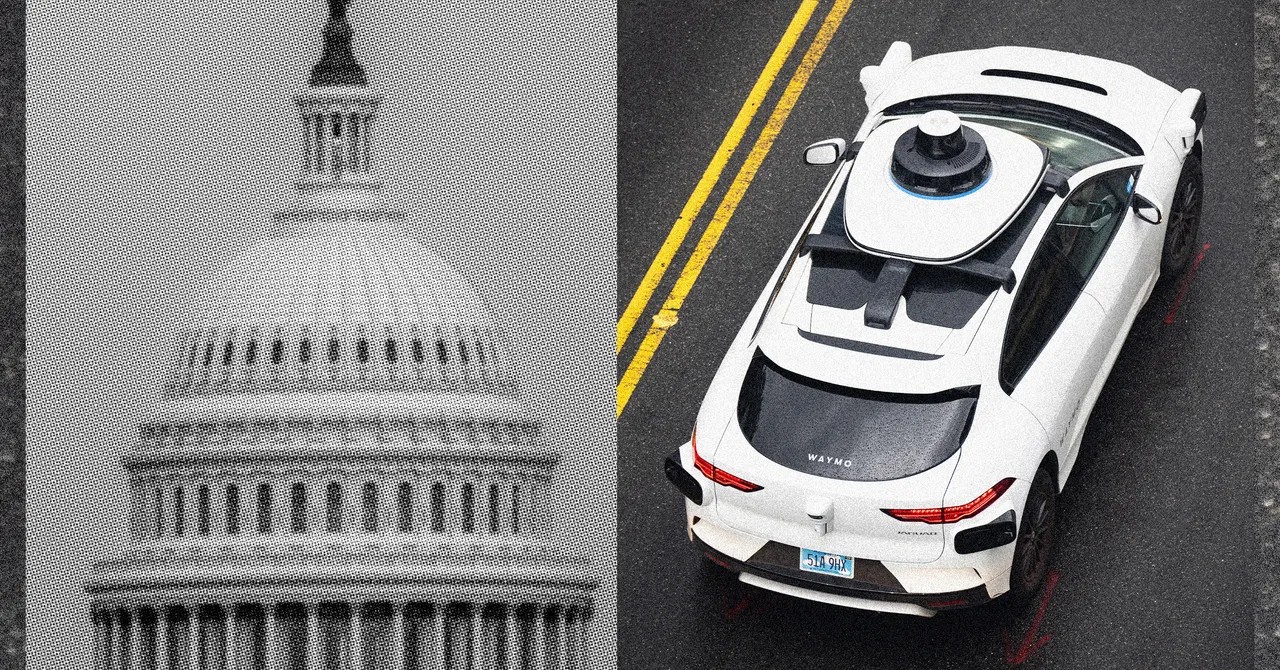
The protest outside the charging station in Ivy City was small enough to miss from the street. What made it matter was the date. It happened the same day the District’s robotaxi bill failed to advance, according to local reporting on Nov. 16, and the two facts together leave Washington as one of the few major American cities where Waymo’s cars still cannot pick up a paying passenger.
A robotaxi bill is exactly what it sounds like: the local law that decides whether a car with no driver may carry paying riders, who supervises the fleet, and what a city can do when one of those cars stops dead in the middle of an intersection. Without that law a company can test, map and charge its batteries. It cannot run a business.
That is why a committee schedule in Washington has an unusually wide reach. Every council now being asked to write rules for driverless cars watches the ones ahead of it, and the District’s answer will be quoted in those fights for years. For a reader with no stake in the company, the question is narrower and more concrete: whether the vehicle that pulls up outside a bar at midnight has a person in it, and who to call when it does not behave.
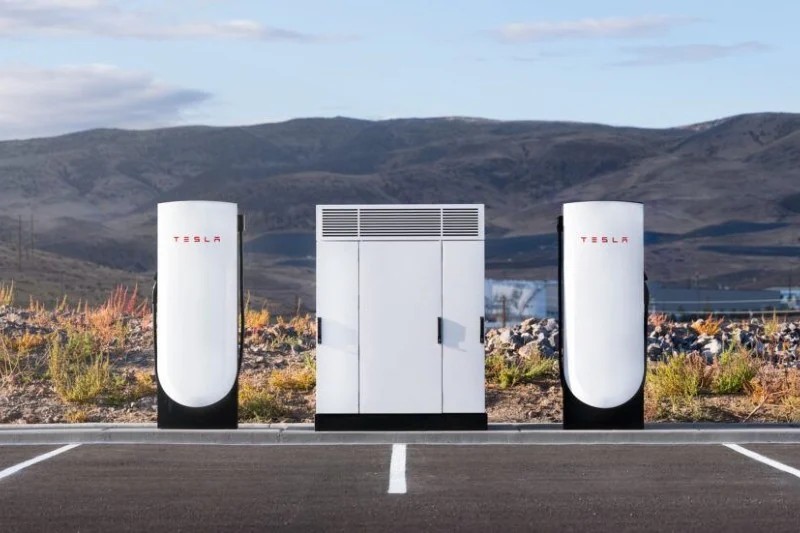
Waymo has been circling this market for a while. Its cars are a familiar sight in some American cities and a rumor in others, and Washington has sat in the second category. Local reporting describes a company preparing a launch rather than one that has written the city off, and the charging station in Ivy City is the physical evidence that the preparation was real.
The station sits in a part of the city that has spent two decades being told it is about to be redeveloped. Ivy City is a small grid of warehouses and light industry on the northeast edge of the District, the kind of place where a fenced lot full of electrical equipment does not look out of place and where a protest can be staged without blocking much traffic. The people who turned out there were arguing about the terms of the arrival, not about whether the cars exist.
What those terms should be is genuinely unsettled. Supporters of a faster rollout argue that driverless cars obey speed limits, do not drink and do not get tired, and that a city which keeps them out is choosing the status quo over a technology it has not tried. Opponents argue that a company writing its own safety case is not the same as a city writing a rule, and that the burden of proof belongs with the operator.
The council has not settled it either. A bill that fails to advance usually dies of scheduling rather than of a vote, and nothing public suggests the District’s version is dead rather than parked. The distinction matters, because a parked bill can be revived in a week if the votes appear, while a dead one has to be reintroduced from the beginning.
Waymo’s own answer has been silence on the practical question. The company has not said whether the council’s inaction changes its timeline for the District, which is the only question a rider, a rival or a city traffic engineer actually needs answered. A company that says nothing keeps its options and gives up the ability to shape the story.
The Virginia side of the map is the part to watch. The company has also been preparing a launch there, and a car that crosses a bridge is still serving the same metropolitan area, with the same airports, the same hospitals and much of the same workforce. If the District will not write the rule, the rule may end up being written by a jurisdiction next door, and Washington would get the traffic without the authority.
That outcome has precedent in how technology has arrived in American cities before. The service shows up in the suburbs, residents get used to it, and the central city legalizes what is already on its streets. It is a poor outcome for a council that wanted to set terms and a good one for a company that can afford to wait.
There is a serious objection to treating the delay as a mistake. Legislatures move slowly on purpose when the thing being regulated can kill people, and robotaxi rules belong to the small group of areas where the wrong rule is worse than no rule. A city that copies a permissive statute from somewhere else, without the staff to inspect a depot or the data to audit a safety report, has not regulated anything.
The companies also have an interest in saying less than they know. A fleet that has driven millions of miles holds a dataset no council can match, and the operator decides which slices of it to publish. That asymmetry is the strongest argument for a slow and suspicious process, and it is why a crowd gathers outside a charging depot instead of writing a comment letter.
What happens next is mostly a calendar question. The council could take the bill up again, amend it, or leave it where it sits until the next session. Waymo could announce a Virginia date, file something new in the District, or say nothing at all. None of those decisions has been made public.
For now the block in Ivy City looks like what it is: a lot with charging equipment on it and no line of cars waiting. The equipment does not care whether the bill passes. The people who stood near it do, and so does anyone in the District who has waited twenty minutes for a ride at two in the morning, on a corner where the taxis do not go.