
Blackstone’s data-center arm went to the private-placement market this month looking for $800 million of seven-year money. It came away with about $300 million, a shortfall of 60% against what the deal was sized to raise, according to people familiar with the sale.
The notes priced at 245 basis points over Treasuries. For a borrower that sells into the investment-grade market, that is not a rounding error. It puts the all-in cost above 7% at a moment when the ten-year Treasury yields a fraction of that, and it was set for a company whose parent manages more than a trillion dollars.
The shortfall is the more revealing number. A private placement has no book, no roadshow and no secondary market. It is sold directly to a small group of insurers, pension managers and specialist credit funds, and the price is negotiated rather than discovered. That structure hides weakness in the spread. It cannot hide it in the size.
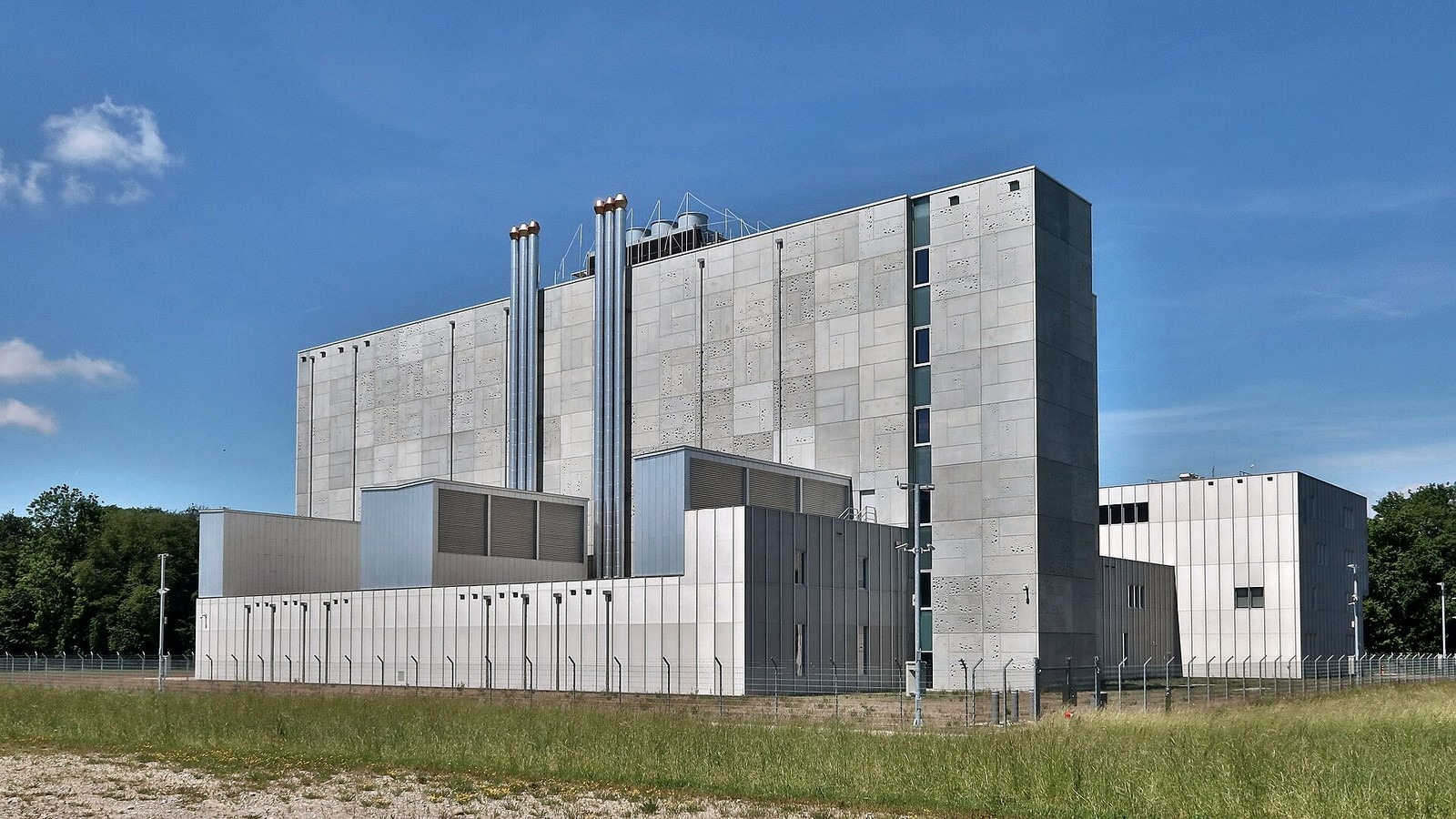
QTS Realty Trust is the vehicle. Blackstone bought the company in 2021 for roughly $10 billion and took it private, converting a listed real-estate investment trust into the landlord of a portfolio that now spans more than 14 gigawatts of planned capacity. That pipeline is the reason for the borrowing and the reason the borrowing got harder.
Consider the ladder the company has climbed. Equity came first, in the form of Blackstone’s own capital and the institutional funds that co-invest alongside it. High-yield bonds came next, unsecured and covenant-light, sold to buyers who accept credit risk in exchange for yield. Then private credit, where a handful of large lenders write a cheque and hold it. Each rung down has a smaller buyer base, a longer hold and a higher price for the same asset.
The placement sits on the last rung: investment grade, but arranged privately. That combination is unusual, and it is why the number matters. A company with an investment-grade rating can normally print a bond in the public market within a day, at a spread set by a dealer syndicate and validated by hundreds of accounts. QTS chose not to, or could not, and took a negotiated deal from a buyer group narrow enough that the shortfall was visible in the closing amount.
Two years of issuance explains why. The company has raised about $11 billion of debt in that window, a pace that assumes continuous access and stable pricing. Private buyers do not have infinite capacity for one name, particularly one whose collateral is a building full of servers with a fifteen-year economic life and a tenant list concentrated in a few hyperscalers.
The 14.3-gigawatt pipeline is the other half of the arithmetic. A gigawatt of data-center capacity costs billions to build, before the electrical substations, the water contracts and the gas turbines that are increasingly part of the package. Multiply by fourteen and the funding requirement runs into the tens of billions, which is why every incremental basis point of spread on the debt tranche eventually shows up as a project that gets deferred.
Spread widening at the investment-grade end is a different signal from spread widening in high yield. High yield tells you that equity owners are being asked to put in more. Investment grade tells you that the buyers who lend against contracted cash flow, the most conservative pool in the market, have started to reprice the sector rather than the company. When that pool narrows, the marginal dollar for AI construction gets more expensive for everyone holding a similar pipeline.
There is a defense of the deal. A private placement is fast, it avoids the disclosure of a public offering, and it lets an issuer size to a specific buyer’s appetite rather than to a market’s mood. Raising $300 million at a known price beats raising nothing at a hoped-for one, and the coupon is fixed for seven years.
The counter-argument is that the market just told Blackstone something about its own reach. Blackstone Credit is one of the largest private lenders in the world. When a portfolio company it controls cannot fill a book from the investor base its parent knows best, the constraint is not the asset. It is the willingness of that base to add more data-center exposure at this point in the cycle.
Lease economics decide what happens next. A data-center lease with a hyperscaler typically runs five to fifteen years with renewals, and the rent covers the debt service with a margin that looked comfortable when money cost 4%. At 7%, the margin on new construction compresses, and the projects at the far end of the pipeline, the ones without a signed tenant, are the first to slip.
Nothing about the demand story has broken. The orders for accelerators are still placed, the power contracts are still signed, and the buildings are still full when they open. What changed is the price of the money that arrives before the rent does.
That timing gap is the whole business. A data center spends its capital in eighteen months and collects its rent over fifteen years, and the gap has to be bridged by someone willing to hold a long, illiquid claim on a single building. The private-placement market bridged it enthusiastically for two years.
This month it bridged 60% of what was asked.



