
At 4 p.m. Eastern on Nov. 17 the order book closed. By the account of several people involved in the sale, the orders already exceeded what the company had told investors to expect.
Those people, cited by CNBC, said Anthropic’s initial public offering is expected to price above the $70 to $78 per-share range it set last week. The company is selling 825 million Class A shares. At the top of the range that raises $64.35 billion, and gives the company a fully diluted valuation of as much as $1.405 trillion.
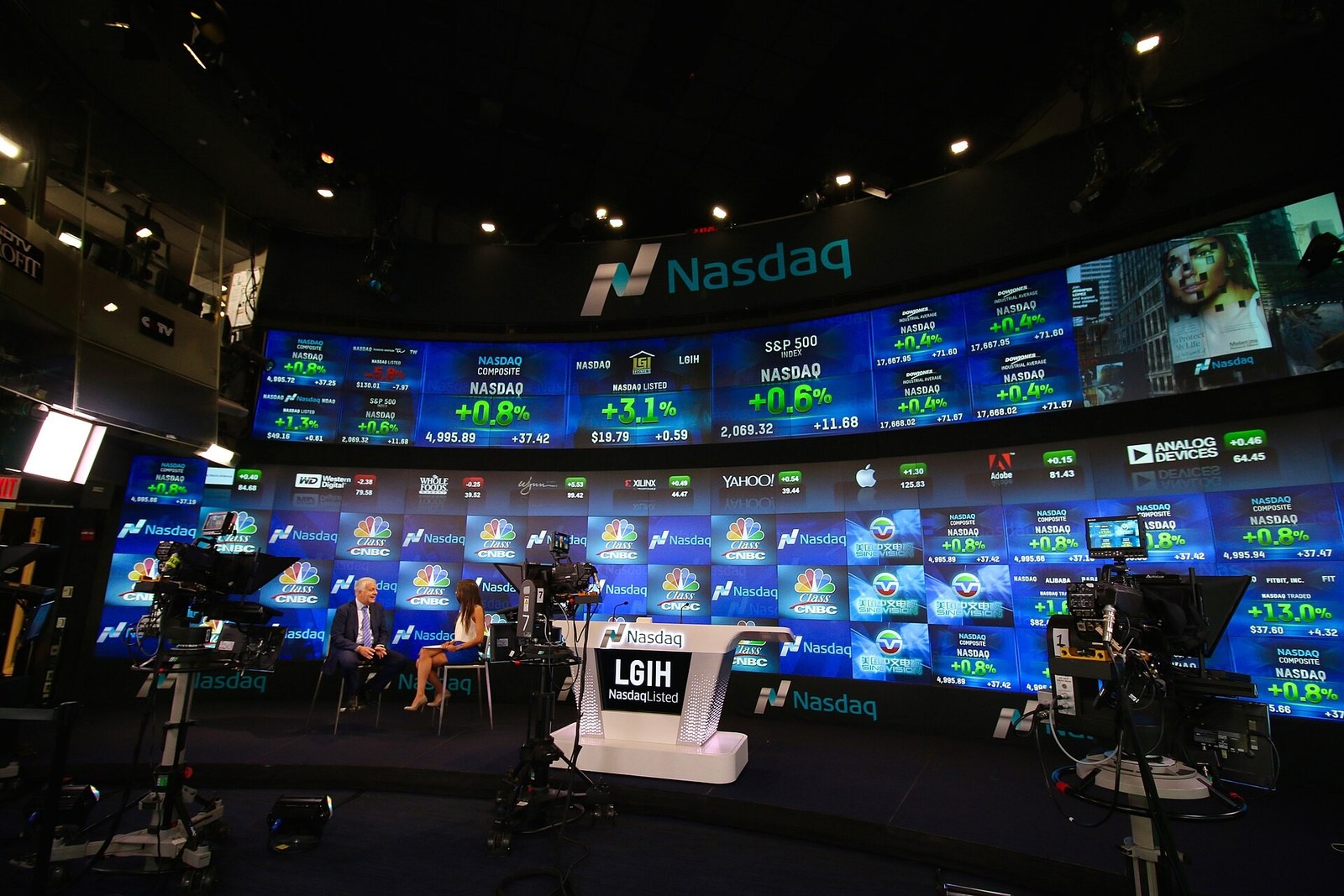
Trading is scheduled to begin Nov. 19 on Nasdaq under the ticker ANT.
The retail allocation is set at roughly 20% of the deal. That is a large number for an offering of this size. Most listings above $10 billion reserve 5% to 10% for individual investors, and banks generally prefer to place shares with institutions that will hold them through the first month.
Two numbers in the filing are worth doing arithmetic on. A $64.35 billion raise at $78 a share and a $1.405 trillion fully diluted valuation imply a fully diluted share count near 18 billion, which in turn implies that the shares sold represent something under 5% of the company.
A float that thin will trade violently. It also has consequences for index inclusion, which typically requires a minimum free float and a seasoning period, and for the expiration of lockups, which will release far more stock than the market will have seen on day one.
The cap table carries the marks of its early patrons. TechCrunch and Barron’s calculated that Amazon and Google will together hold close to 30% of the company after the listing, a stake worth roughly $400 billion at the top of the range.
Both companies have funded Anthropic across successive rounds since 2023, and both sell it computing capacity as well as capital. Amazon’s cloud unit hosts a large share of the company’s training and inference workloads; Google supplies chips and cloud capacity and is, through DeepMind, also a direct competitor in frontier models.
The Financial Times reported separately that a group of less prominent venture firms will capture a large share of roughly $100 billion in paper gains, a sum that will be distributed among funds that wrote cheques when the company was valued in the low tens of billions.
Those gains are only realized on a schedule. Most venture positions in a company this size come with lockups measured in months, and the difference between a paper return and a realized one is the price on the day the restriction lifts.
The offering is the largest initial public sale on record by proceeds, exceeding the listings that previously held that position by a wide margin. It also arrives at a moment when investors have spent two years looking for a way to own artificial intelligence in public markets without buying the chipmakers that supply it.
What they will own is a company with a cost structure that becomes visible every quarter. Training frontier models requires compute purchased from the same two shareholders, and inference for paying customers carries a gross margin that depends on how efficiently the models run. Private companies describe those numbers selectively. Public ones file them.
Governance will draw scrutiny as well. Anthropic has organized itself around a trust structure intended to hold the company to a mission statement, and the founders have retained unusual influence over board composition. Public shareholders in a company with a $1.4 trillion valuation will want to know how much of that survives contact with quarterly reporting.
The demand side of the book is easier to explain. Buyers who wanted exposure to enterprise software’s next platform had few options at scale: a handful of infrastructure companies, a few chipmakers, and Microsoft, which sells the models of others. Anthropic is the first large pure-play model developer to reach the public market.
There is a supply-side argument too. Early investors in the company need liquidity, employees hold options struck at valuations a fraction of the current one, and an IPO at this level converts both into cash or publicly traded stock.
What the first day of trading will not settle is whether the price is right. A thin float, a large retail tranche and a fixed supply of shares tend to produce a pop that says more about allocation than about value. The test comes later, when the lockups expire and the company reports revenue and cost of revenue to the same standard as any other listed business.
For now the sequence is fixed. Pricing is expected before the Nov. 19 open. The shares will trade, the banks will exercise their option to sell more of them if demand holds, and the company will have roughly $64 billion in cash against a business whose largest expense is computing.
On the afternoon the book closed, that trade looked straightforward to the people placing orders. The harder questions arrive with the first quarterly filing.



