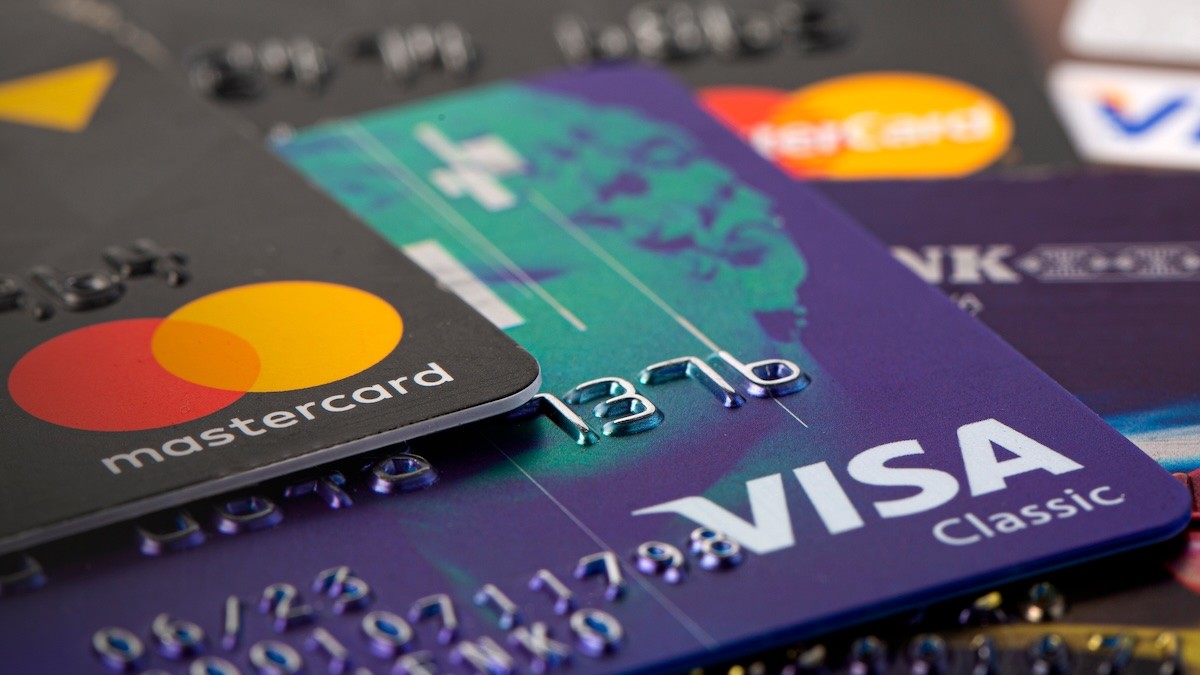
The notice that reached some customers of Visa, Mastercard and JPMorgan Chase this week did not say their card numbers had been stolen. It said something narrower, and for a while harder to price: a third-party service provider had been compromised, and some customer information had gone with it.
All three companies said their payment networks kept running. That sentence is the one most customers will remember, and it is also why the episode deserves more than a glance from people who will never hold a JPMorgan Reserve card. The intrusion did not begin inside a card network. It began at a supplier that sits behind one, which is a different kind of problem.
Here is the part that touches ordinary households. A card number is only one layer of what a bank knows about you. The rest, names, email addresses, phone numbers, account identifiers, is what makes a convincing phone call possible. A caller who already knows the last four digits of your account and the email you registered with does not need your card to take money from you. He needs you to believe he is your bank.
What surfaced publicly is thin but specific. Cybernews reported that it had found roughly 16,000 email addresses that appeared to be tied to JPMorgan’s Reserve program, the bank’s card for wealthy clients, and that some of the records also carried phone numbers and account identifiers. The bank has not confirmed the size of that set, and none of the three companies has described how the data moved.
The three describe the exposed material as non-payment information. In plain terms, that means the data did not include the sixteen digits on the front of a card, the expiry date or the security code, the fields that let someone charge a purchase online without further checks. It does not mean the data is harmless. It means the damage, if it comes, will arrive as a phone call or a fake login page rather than as a fraudulent charge.
SOCRadar, a threat intelligence firm tracking the group behind the intrusion, attributes the activity to a ransomware crew known as n0n. Its methods, according to that tracking, are unglamorous: weak passwords, and credentials reused across services and tried in bulk. The group has previously gone after 305 FortiGate VPN appliances, the remote-access hardware that lets employees into a corporate network from home, and it has spent more than 7,216 dollars on AI coding agents. That last detail says less about sophistication than about how cheap the tools have become.
Investors rendered a verdict quickly. Visa closed down 3.1 percent, Mastercard 2.6 percent and JPMorgan 1.2 percent. Those moves are small next to the swings these stocks take on an earnings miss, which is the honest way to read them: the market treated the breach as a cost of doing business, not as an existential event.
There is a serious counterargument, and it deserves airing. Card networks process billions of transactions a day and have spent two decades building fraud detection that catches most abuse before a customer notices. Breaches of marketing databases and loyalty programs are routine and rarely produce direct losses for cardholders, who are generally not liable for fraudulent charges. On this reading, the market reaction was proportionate and the headlines were not.
The counterargument has a weakness. It treats the leak as a data event when the more useful frame is a trust event. What escaped is exactly what a fraudster needs to impersonate an institution to its own customers, and the customers most exposed sit in a segment where a single successful impersonation is worth far more than a stolen card.
The other uncomfortable fact is structural. Banks and networks do not control their suppliers, and their suppliers do not always control theirs. Regulators have spent years making this point through breach notification rules, third-party risk guidance and disclosure requirements that ask public companies to describe incidents at vendors as well as at home. Each of those rules exists because someone argued, successfully, that the perimeter was not where the company thought it was.
None of this makes the three companies negligent. It makes them dependent, which is a harder problem to fix. A network can harden its own systems and still be exposed by a contractor running a marketing platform, a call center or a rewards program. The only real defense is contractual and continuous: knowing which vendors hold customer data, what they hold, and how fast they will say so.
For a cardholder, the practical advice is dull and unchanged. Treat unexpected calls and messages that mention your account details as hostile until proven otherwise. A bank will not ask for a security code, and it will not need your password to fix a problem it created. The email addresses that surfaced this week make those calls more convincing, not more rare.
Which brings the story back to the notice. It was accurate. It was also carefully worded, and the distance between accurate and complete is where most of the risk in this episode actually sits.