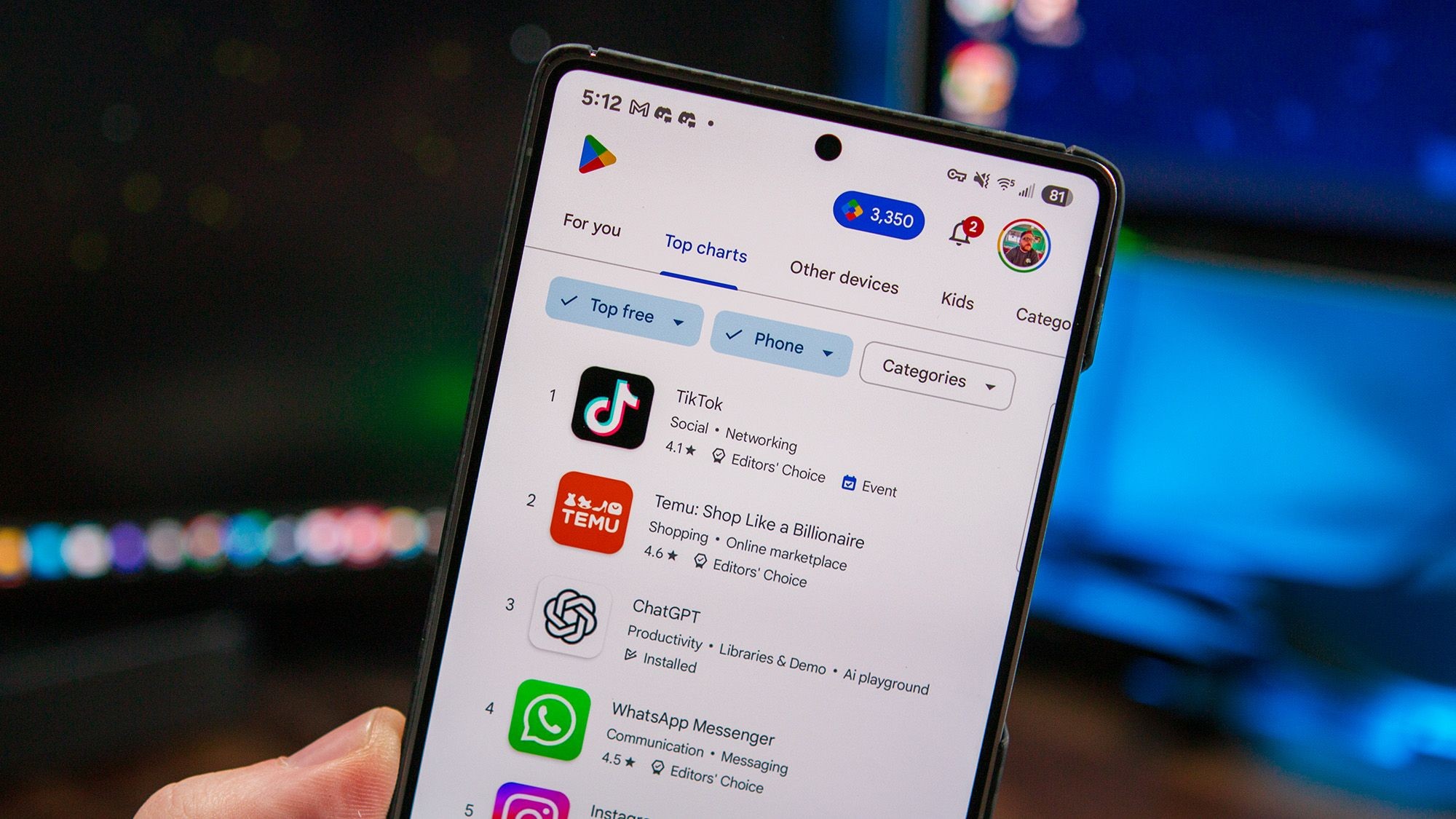
Google will require every Android app developer to prove who they are before their software can be installed on a certified device, a rule that takes effect worldwide in January 2027 and ends, for most phones, the assumption that anyone can hand code to anyone.
The mechanism is simple enough to describe and broad enough to matter. Verification happens at the point of install, not at the point of listing in a store. A developer registers an identity with Google, and that identity is checked every time their app is installed on a device built to Google’s certification rules, wherever the file came from.
Seven distribution channels are covered from the start: Google Play, and the app stores run by Samsung, Honor, OPPO, vivo, Xiaomi and Transsion. The company says coverage will extend until every source of installable apps on certified devices is included, which in practice means the policy follows the operating system rather than the storefront.
That is the change worth pausing on. Android’s central commercial claim has always been openness: a developer could build an app and a user could install it without asking anyone’s permission. Verification does not remove that path. It attaches a name and a registration to it, and it gives the platform a switch it did not previously hold.
Technically, the check rides on a key bound to the app. A developer signs a build with a credential linked to a verified identity, and the device asks Google whether that identity is in good standing before the install completes. Nothing about the code itself changes. What changes is that the install can be refused, and the refusal happens on the phone in the user’s hand.
The reaction was immediate when the policy was announced in August 2025. Developers who distribute outside the official store, and the smaller app stores that do the same, argued that the rule would end the practical ability to install software Google had not approved, a practice known as sideloading that has been the escape hatch for everything from emulators to regional payment apps.
Google has since softened the edges. Students and hobbyists can register for a limited distribution account at no cost and share apps with up to 50 devices. Advanced users keep the ability to install from outside a store, provided they pass through a risk confirmation flow that spells out what they are accepting. Neither concession restores the old default, and Google has not claimed it would.
The company’s own numbers are the strongest part of its case. It says millions of apps have already completed registration, and that those apps account for more than 99 percent of install volume. If that figure holds, the overwhelming majority of Android users will notice nothing at all in January 2027.
The security argument is not abstract. Direct installs have been the delivery route for banking trojans across Southeast Asia, Brazil and India, usually through a page that mimics a legitimate app’s download link. A registration requirement raises the cost of that operation, because a distribution identity can be blocked, traced and, in principle, held to account.
The regulatory argument cuts both ways. European rules now require phone makers to permit alternative app stores, and a verification regime that applies equally to every channel is easier to defend than one that only polices rivals. At the same time, a single company deciding which identities are legitimate, on a schedule of its own choosing, is precisely the arrangement competition authorities have spent a decade questioning.
Apple has run a comparable arrangement on its own platform for years, and Google’s version is looser in one respect: it requires no commission and no review of what the app does, only a name attached to the build. Both companies argue that the identity layer is what stops mass distribution. Both have been accused of using security as the argument for centralising control of software.
Developers have a narrower complaint, and it is about cost rather than principle. Registration is cheap for a company with a legal department and awkward for a solo programmer in a market where identity documents are hard to obtain or expensive to verify. Google has not published the fee schedule for commercial accounts, which leaves the practical barrier unknown until closer to the deadline.
There is also the question of enforcement. A rule that lives in the operating system can be applied to devices that receive Google’s certification, and phones that do not are already outside the arrangement. The people most likely to install unverified software are the ones most likely to run hardware that ignores the rule.
The larger question is what verification is for. If the goal is to make mass malware distribution harder, the policy will be judged on whether banking fraud falls in the markets where direct installs dominate. If the goal is to bring every install inside a system Google can see, the security case is a means and not the end.
Google has chosen a date and published a scope, which is more than most platform rules offer in advance. Whether that combination reads as stewardship or as consolidation will depend on details it has not yet released, and on whether the first blocked install belongs to a criminal or to a teenager who wanted to run an old game.