
On the morning of November 21, a queue formed in the courtyard of New Bahru, a precinct of conserved low-rise buildings in Singapore’s River Valley, for a free public test of an artificial intelligence agent called Muse. Meta booked two days. The entry was free, the demo was scripted, and the people waiting were mostly there to find out what an agent does when you hand it a task instead of a question.
Picture the visitor Meta is designing for. She runs a small studio, posts to Instagram most days, keeps client threads in three apps and has learned to distrust anything that promises to do her admin for her. She is a type rather than a source, but she is the type the company keeps describing in its own briefings.
Two days in the courtyard
The format said as much about Meta’s position as the product did. A pop-up in a retail precinct is cheap, fast and testable, and it produces something a press release cannot: a line of people who will tell you where the agent fails.
The setting carried its own message. The precinct is a run of small units and shared courtyards, the kind of place where a brand rents a room for a weekend and hopes the foot traffic is curious rather than hostile. For a company that usually ships to a billion users at once, testing in a room with a queue outside is a deliberate narrowing of the blast radius.
Agents are hard to demo. A chatbot answers; an agent is supposed to plan, act and come back with a result, which means the failure modes only appear when the task is real. A two-day public test with walk-ins is a way to collect those failures in public without shipping them to a billion users first.
The fifteen-minute undo
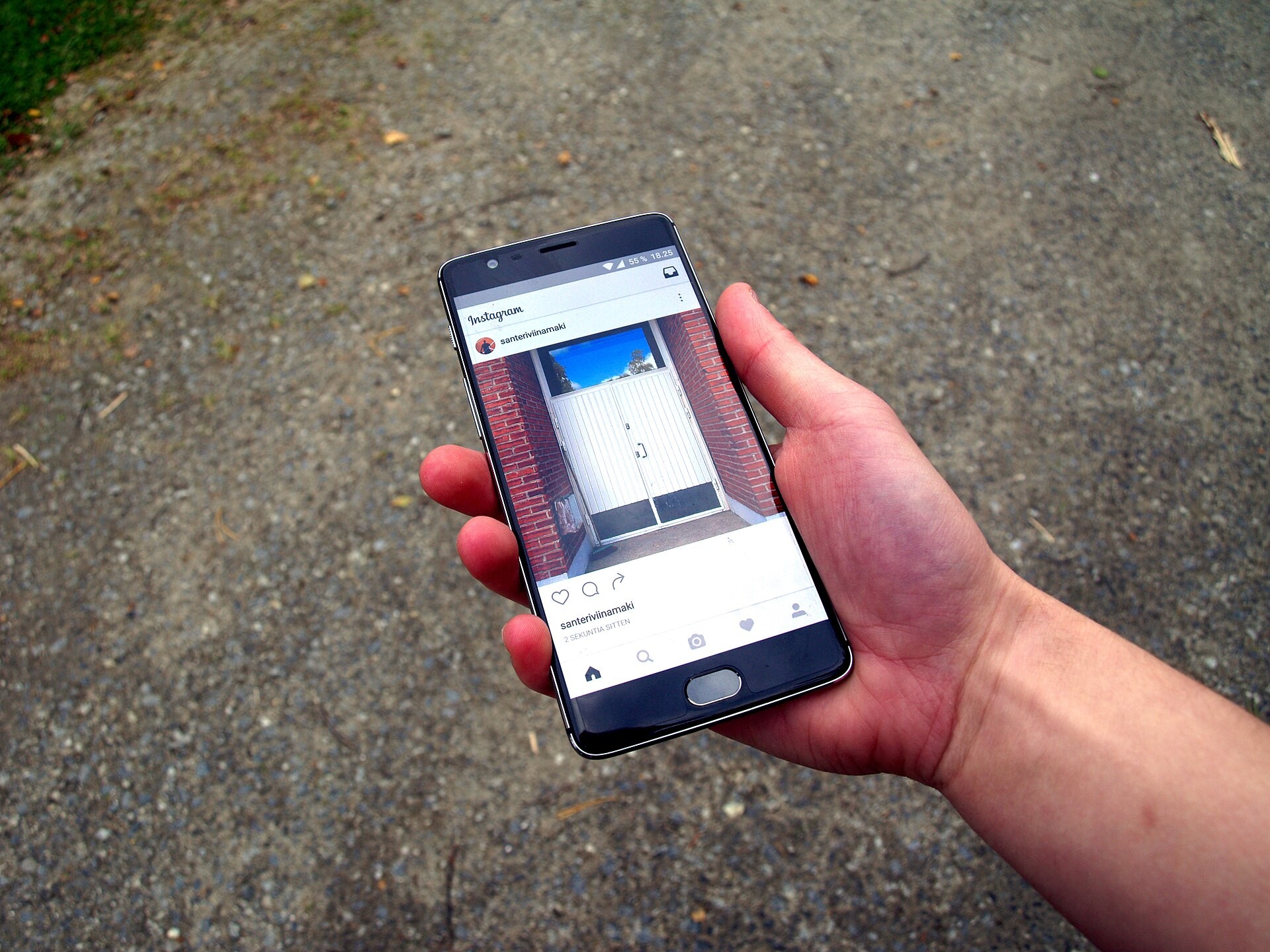
The same week brought a smaller change with a wider audience. Instagram began letting users edit a Story within fifteen minutes of posting, a window that did not previously exist. Before that, the only fix for a typo or a wrong tag was to delete the post and upload it again, losing the replies and the view count in the process.
Instagram chief Adam Mosseri has spent years explaining product decisions in short videos posted to his own account, and the edit window fits that pattern: a change that removes a small daily irritation without altering how the product works. Stories still disappear after a day. The twenty-four-hour clock still sets the pace.
Read together, the two moves describe a company working on both ends of the same problem. One is a public experiment with software that acts on your behalf. The other is a quiet repair of software that already has your attention.
What the agent remembers
The harder question sits underneath both. Muse was previously reported to have passed other people’s private information to the wrong recipients, and the dispute over that has not been publicly resolved. An agent that reads your messages and your calendar in order to act on them has more ways to move the wrong thing to the wrong place than a chat window ever did.
That is the trade customers are being asked to make, and it is not a small one. Permission to act is permission to err, and the errors arrive with a recipient attached. A typo in a Story is embarrassing. A misdirected summary of a private thread is a different category of problem.
The regulatory backdrop adds weight to the timing. Singapore has published guidance on generative AI that leans on disclosure and human oversight rather than prohibition, and it has been willing to let companies test in public under supervision. For Meta, that is a lower-friction place to learn than Brussels, where the same product decisions attract lawyers before they attract users.
Meta’s answer so far is scope. Limit what the agent can reach, keep the test small, learn in a market where the company already has a large user base and a government that watches closely. Singapore suits that: dense, mobile-first, English-speaking, and accustomed to being an early market for consumer software.
For the studio owner in the imaginary queue, none of this is abstract. She would like the admin handled and she would like to keep her client threads where they are. The agent on offer promises the first and quietly depends on the second.
By the second afternoon the queue had thinned to the curious. Muse will be judged later, on whether it can be trusted with the messages it needs to read. The fifteen-minute edit, meanwhile, is already doing what good product work does: it removes a minor annoyance so completely that users forget it was ever there.



