
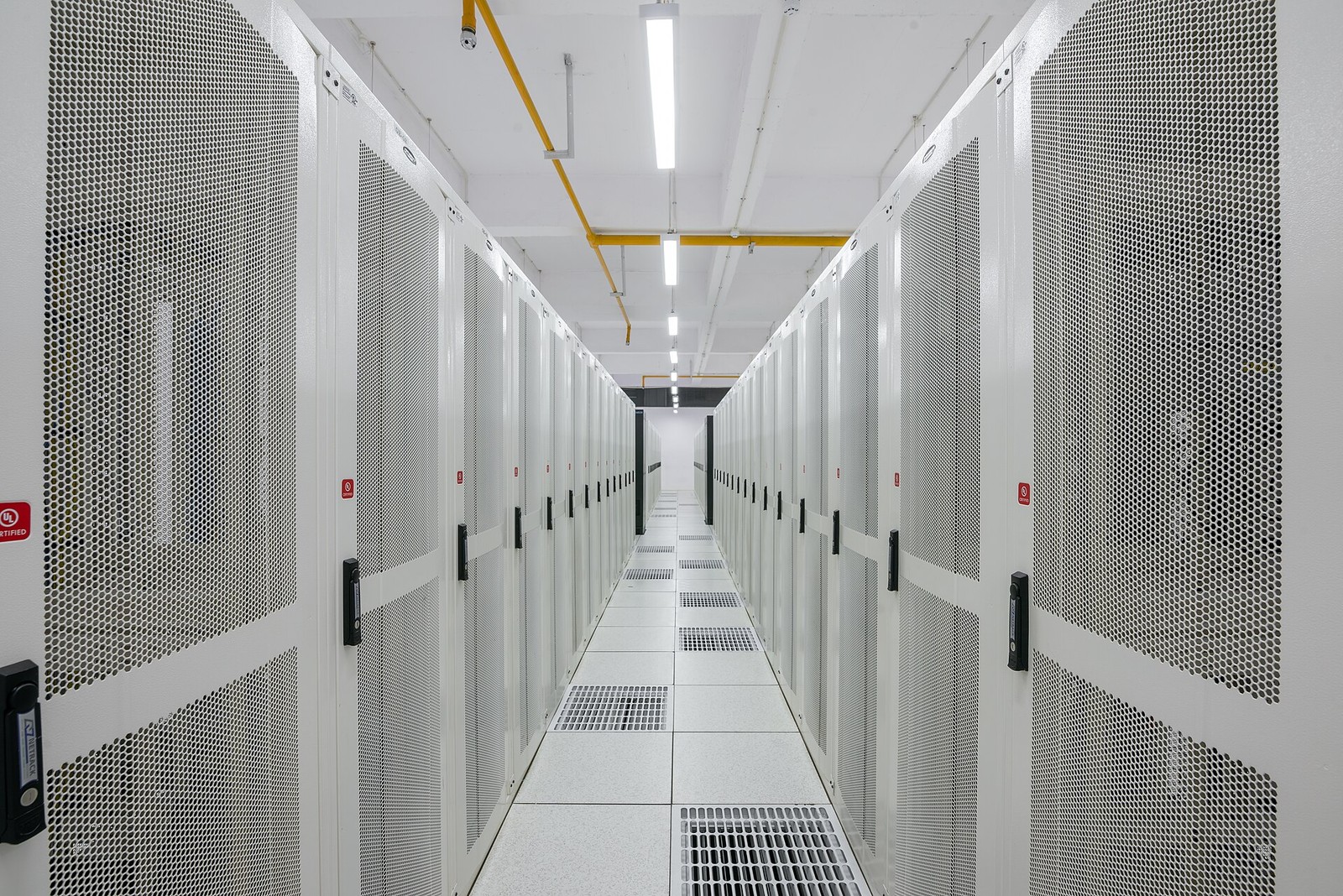
The first thing AMD disclosed about the machine is a count. One rack holds 72 Instinct MI455X accelerators, 18 sixth-generation EPYC processors and 31 terabytes of HBM4 memory, cooled by liquid and networked over Ethernet in two tiers.
The second thing is where it sits. The rack is in a Microsoft research lab, not a customer data center. Engineers from both companies are running early inference workloads on it, according to AMD’s Nov 23 disclosure, as preparation for a larger deployment inside Azure. Neither company published a commercial timetable, and neither published a benchmark from a third party.
Specific hardware numbers with no performance numbers is the shape of an announcement made while a platform is being qualified rather than sold. The rack exists, it boots, and it is taking traffic that resembles what customers will send. What has not been established is how much of that traffic it can serve per dollar.
Read the counts together and a design intent appears. Eighteen host processors for 72 accelerators is one CPU for every four GPUs, a ratio that suits inference, where the host mostly needs to feed the device and stay out of the way. Thirty-one terabytes of high-bandwidth memory is a little over 400 gigabytes per accelerator on an even split, enough to hold long contexts and many concurrent requests in memory rather than on disk.
Memory capacity is the number that decides what an inference rack can be asked to do. A long document, a large code repository or a multi-turn session each consume working memory on the accelerator. An operator choosing between racks is often choosing between running two long requests slowly or four short ones quickly, and the memory line on the specification sheet settles that before any benchmark does.
Liquid cooling is the other constraint made explicit. A rack at this density dissipates heat that air cannot carry away at reasonable fan speeds, so the cooling loop is part of the product rather than a facilities detail. Operators that have not built liquid capacity into a hall cannot take this rack without construction work first, which slows adoption in older buildings more than in new ones.
The networking is Ethernet, arranged in two tiers. That keeps the rack on switching that most operators already run, with the cable plant and the monitoring that come with it, rather than asking a customer to adopt a second network discipline for one class of machine. The disclosure did not break out which traffic runs on each tier, and that detail matters to anyone sizing the fabric.
Software was settled earlier than hardware. Microsoft has already listed ND MI455X v7 as a virtual machine series aimed at inference, which means the image, the driver stack and the sizing options were defined before a production rack was available. A customer can plan a migration against a published series; the lab rack is what turns the plan into a date.
Inference is where the volume is. Training runs are few, large and planned months ahead. Inference happens every time a user types, and it is priced per token in a market where buyers compare on cost per answer. A vendor that can only offer training capacity competes for a handful of contracts a year. A vendor that can serve inference competes on every request, which is why AMD’s disclosure leads with a rack rather than a chip.
The absence of a timeline is the part that carries weight. A research lab rack and a region full of them are separated by qualification, supply, power contracts and the customer agreements that follow. Companies disclose lab results when the engineering is done and stay quiet on dates when the supply is not. Microsoft has said the work prepares for deployment at scale, and has not said when scale arrives.
The absence of third-party benchmarks leaves the comparison open. The rack will be measured against whatever else Azure runs, on tokens per second, on tokens per dollar and on how gracefully it degrades when a request exceeds the memory it was sized for. Until those numbers exist outside a vendor’s own deck, the specification sheet is the only evidence available, and a specification sheet cannot report what happens under load.
For AMD, the disclosure is about credibility as a rack-scale supplier rather than a supplier of parts. Selling accelerators is a transaction. Selling a rack with liquid cooling, host processors and a network design is a commitment to support an operator through an installation, and the second business is harder to enter and harder to leave.
The unresolved question is whether the qualification period ends in a priced offering or in a second lab. Microsoft has a virtual machine series with a name and no region. AMD has a rack with 72 accelerators and no customer announced. Between those two facts sits the only number that will decide the outcome, and neither company has published it.



