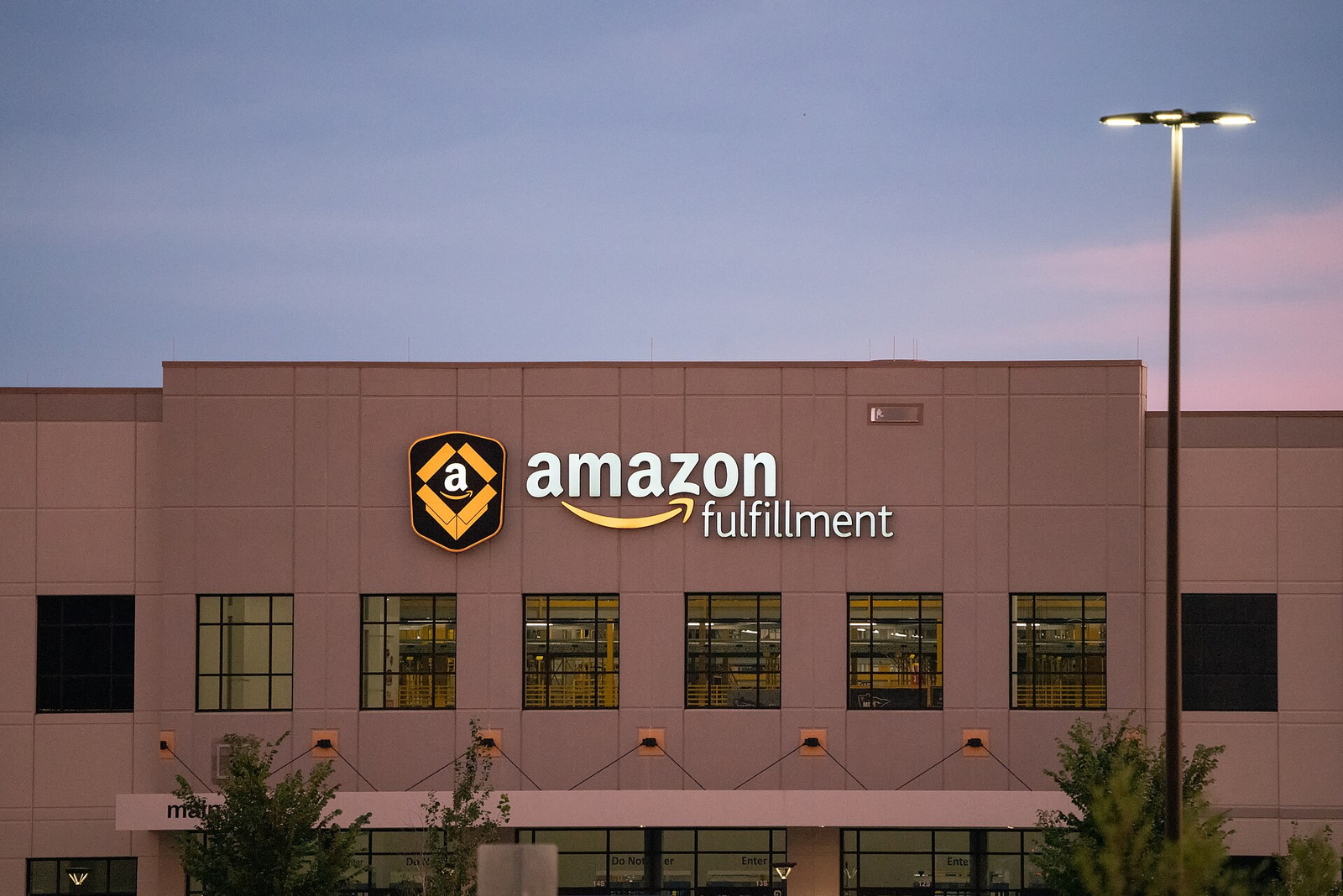
A shopper in the United States who asks ChatGPT where to find a Black Friday deal this week may find an Amazon promotion sitting inside the answer. Digiday reported on Nov. 24 that Amazon has started placing a new round of Black Friday promotional ads inside ChatGPT, in the same format the platform uses for its regular ad units, with a click routing the shopper back to Amazon to complete the order. The campaign follows several months in which the retailer had been comparatively quiet about buying space inside chatbots.
The retailer is running the campaign while keeping OpenAI’s crawler off its own storefront. Amazon has restricted the crawler’s access to its pages, and the consequence is visible in the answers themselves. ChatGPT’s shopping responses now point readers to Amazon search results pages rather than to individual product pages, and the prices quoted in those answers come from third-party comparison sites rather than from Amazon’s own listings.
Read together, the two moves describe a company that wants the traffic without handing over the catalog. An ad unit is a paid doorway. A crawler restriction is a refusal to let a model read the shelf behind that door. Amazon is willing to rent a position in the answer, which is a marketing decision, and unwilling to let the answer be assembled from its own product data, which is a control decision. Both can be true at once because they serve different parts of the business: the campaign buys demand at the top of a funnel the retailer does not own, and the block protects the listing data that makes its marketplace worth visiting.
The format matters for how the placement reads. Because the units match the platform’s regular advertising, disclosure follows the rules OpenAI already applies inside ChatGPT rather than any arrangement specific to this campaign. Whether a shopper recognizes a promotion embedded in a paragraph of generated text is a separate question, and one that advertising measurement has not settled. A sponsored slot on a results page is spatially distinct from the results. A promotion inside an answer shares the answer’s voice.
Some analysts said brands may end up paying twice for the same customer: once to compete for a recommendation inside the chatbot, and again to buy the sponsored position on Amazon when the shopper arrives there. If that holds, the cost of acquiring a shopper rises at the moment assistants are taking over the first step of a purchase, when the buyer is least inclined to compare and most inclined to accept what the answer says.
For OpenAI, the deal cuts in two directions. Advertising gives the company a way to earn from shopping questions without charging the person asking them, and Amazon is a large enough advertiser to make a new inventory format look legitimate to others. The crawler restriction, though, caps how good those answers can get. A model that can read a search results page and a comparison site but not the listing itself is quoting secondhand prices, and it has no way to know whether the item is in stock, whether the seller is Amazon or a third party, or whether the price it cites was current an hour ago.
For merchants selling on the marketplace, the change moves the first impression away from the search box. A brand that ranks well inside the assistant can still lose the sale to a sponsored slot on Amazon, and a brand that does not sell on Amazon has no route into the answer at all, because the assistant can only reach what the crawler is permitted to read. The asymmetry favors the largest seller, which is the one paying for the placement and holding the door shut.
The price data is where the arrangement gets fragile. Comparison sites are a proxy for a catalog they cannot see, and a proxy can be stale, incomplete or wrong about which variant is being sold. When the proxy is wrong, the assistant quotes the error with the same confidence it quotes everything else, and the shopper discovers the difference at checkout. That is a customer service problem wearing the costume of an advertising problem, and it lands on the retailer whose crawler was blocked.
Amazon has not said whether the chatbot campaign will run past the holiday period, and OpenAI has not described how it will handle retailers that advertise while blocking its crawler. Both questions are commercial before they are technical. What remains open is whether the restriction is permanent policy or a negotiating position, whether other large retailers copy the split between buying ads and withholding pages, and whether a promotion keeps its value if the answers around it stay secondhand. For now the shopper sees a deal, the retailer buys a click, and the model sees a search results page.