
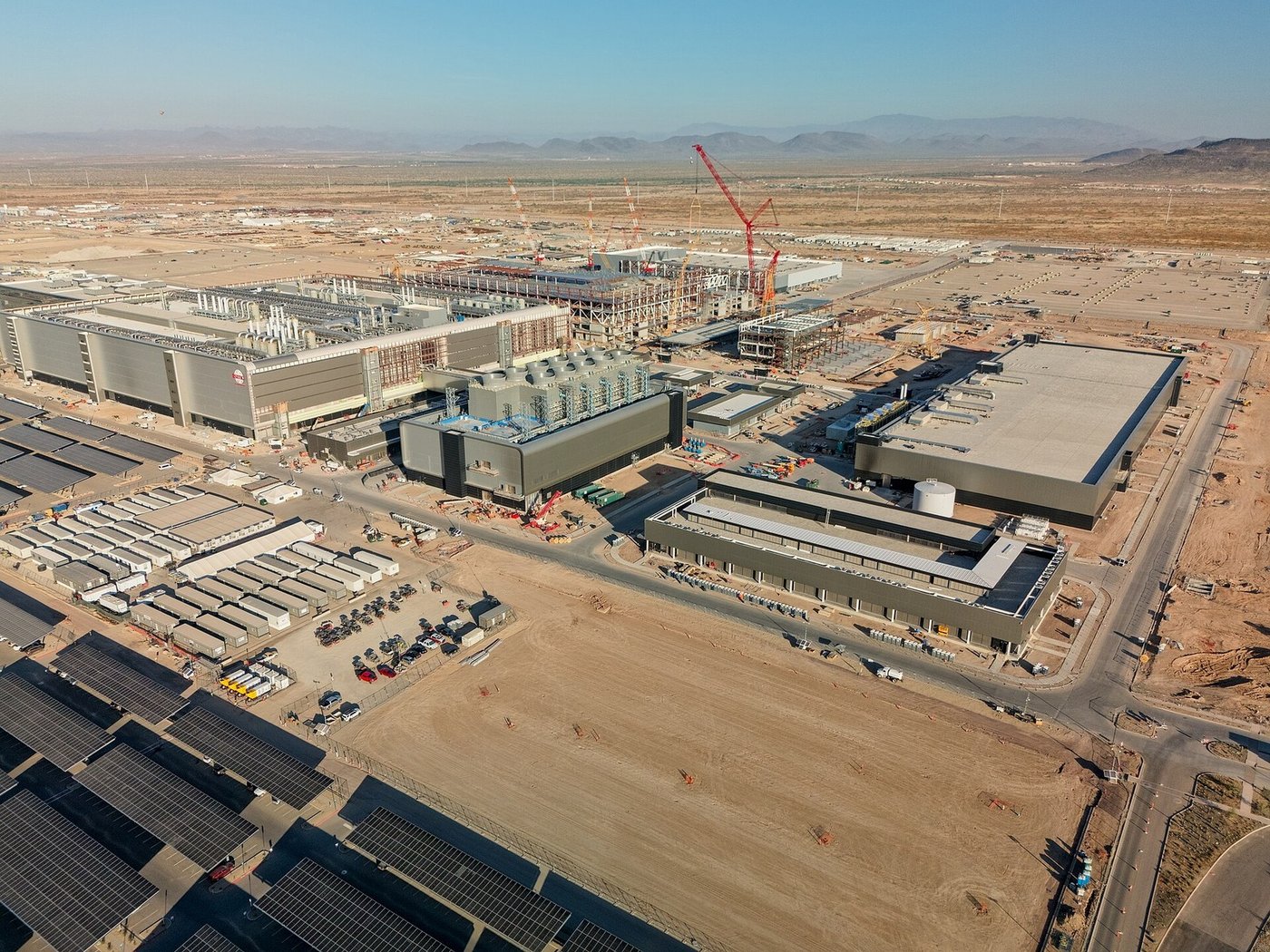
A subsidiary of TSMC filed an application on Monday with the Texas Comptroller’s office for a wafer fab in Brazos County that would cost about $22.6 billion. The document asks for a school district property tax abatement under a state program known as JETI, and it states plainly that the incentive is the deciding factor in whether the plant is built at that site at all.
The proposed campus sits on more than 3,200 acres on the outskirts of College Station. According to the filing, it would produce 2 nanometer and more advanced logic chips for AI, high-performance computing and phones, and a single fab would support at least 2,099 jobs at an average annual salary of $133,000. Those figures are the ones the company is putting in front of local officials, and they set the frame for the argument that follows: a capital commitment measured in tens of billions against a tax bill measured in annual installments.
JETI, the Jobs, Energy, Technology and Innovation program, lets a school district forgo part of the property tax revenue a large capital project would otherwise generate in exchange for jobs and investment. The application goes to the comptroller, and approval also requires the governor and the district’s board of trustees. A public hearing could come as early as the first days of December. Until those signatures land, the project has a site, a budget and a stated condition, but not a decision.
School taxes carry unusual weight in Texas because the district levy is the heaviest line on the property tax bill for a large industrial site. For a fab that will run for decades, the abatement changes the annual cost of ownership in a way that a one-time grant cannot, which is why the filing treats it as binary. Either the district gives up the revenue and the plant is built there, or it does not and the company goes elsewhere. That framing puts local officials in the position of choosing between forgone tax receipts and a project that would anchor a supply chain.
Arizona remains an alternative site, and the filing’s reference to it turns the abatement into a contest between states rather than a routine local approval. TSMC has been expanding its American footprint, and a second candidate location gives the company room to compare incentives, construction costs and the availability of engineers. For Texas, the comparison goes beyond the tax rate. Water, power, permitting speed and the pipeline of technicians from nearby universities all enter the calculation, and officials in Brazos County will be asked to weigh them against the district revenue they would surrender.
The technology at stake adds pressure to the timetable. A 2 nanometer fab is among the most expensive things a company can build, and the tools inside it take years to install and qualify. Customers buying leading-edge capacity for AI accelerators plan product cycles around specific nodes, and a delay of a year in one location can push a customer toward a competitor’s wafer supply. That is the reason the company wants an answer on incentives before it commits construction crews, and the reason local officials are being asked to move on a schedule set by the semiconductor cycle rather than the school calendar.
The jobs figure deserves its own reading. At least 2,099 positions at an average salary of $133,000 works out to a payroll well above $275 million a year, and a fab of that size supports a second layer of contractors, tool vendors and chemical suppliers who never appear on the company’s headcount. The filing puts the wage number in front of the district because abatement debates usually turn on whether the jobs justify the revenue, and because a district that forgoes taxes wants the comparison to be about salaries rather than about the tax rate alone.
For Brazos County, the arithmetic is straightforward until it is not. An abated fab brings construction payroll, permanent jobs at wages well above the local median, and a supplier ecosystem that tends to cluster near a large plant. It also brings traffic, demand on water and wastewater systems, and school enrollment that arrives years before the new tax base does. Districts that grant abatements often find the first decade tighter than the second, and the terms of the agreement determine how much of that gap the company covers.
The decision also lands in a broader argument about how far states should go to attract chip manufacturing. Federal subsidies have already reshaped the economics of building in the United States, and local incentives now sit on top of them. Supporters say the combination is what it takes to win projects that would otherwise go to Asia. Critics say the bidding has become a contest in which the winner is the jurisdiction that gives up the most, and that the jobs never quite match the revenue forgone.
What is unresolved is whether the governor and the district board accept the terms in front of them, what the December hearing draws from residents who pay the taxes being abated, and how seriously the Arizona option is being weighed. The company has said the incentive decides the site. The officials have not yet said whether they agree that the plant is worth the price, and the calendar gives them weeks rather than months.



