
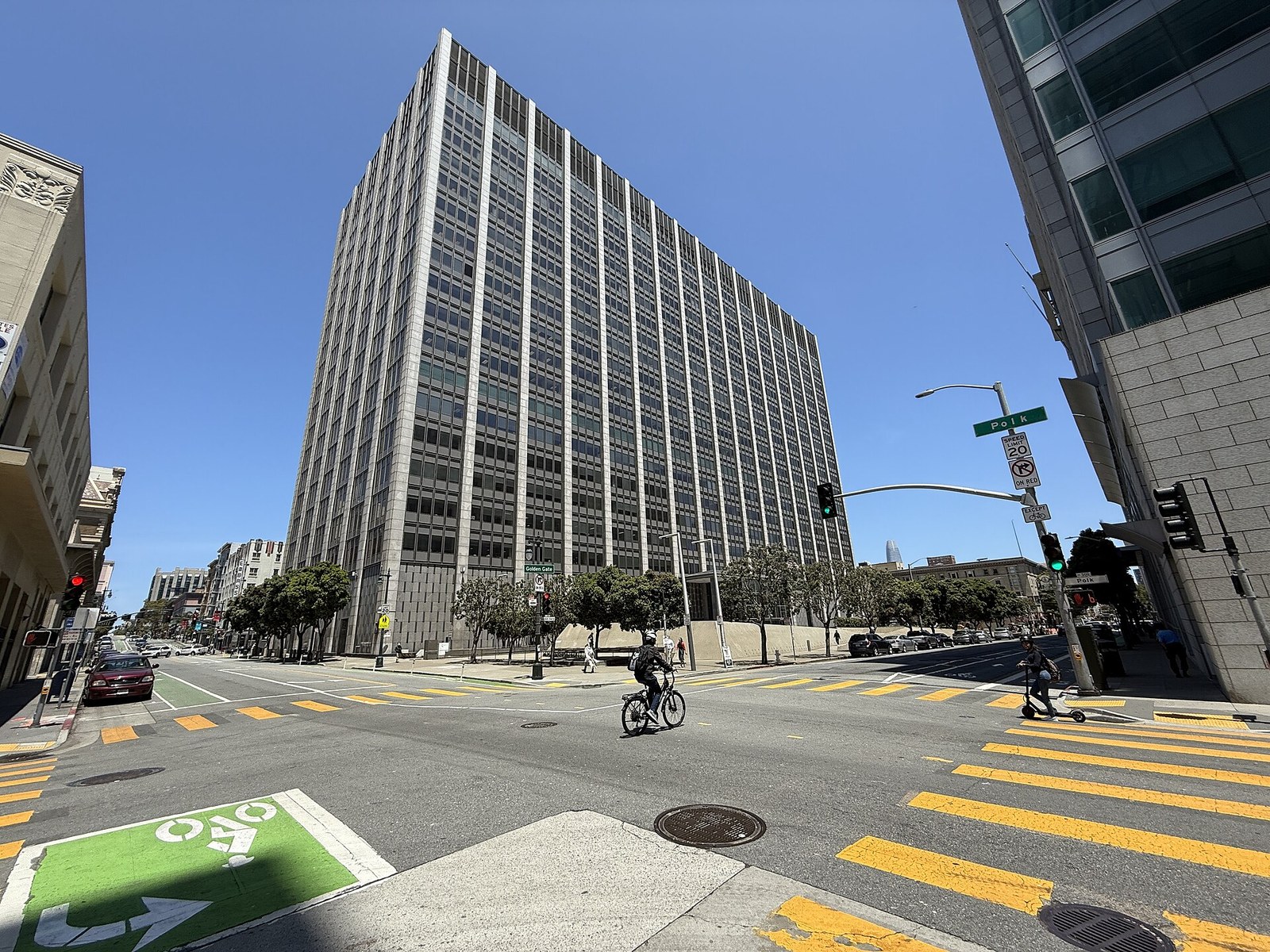
The hearing on Tuesday produced one number worth carrying out of the room: $1 million. That is what a former OpenAI employee had to post to walk out of custody, after prosecutors said he rigged a recording device inside the company’s San Francisco office and captured more than a hundred hours of meetings. The charges have not been dropped.
The case is being watched across the industry for reasons that have little to do with one building. An AI lab runs on the assumption that its conference rooms are where the unfinished thinking happens: the failed evaluations, the safety arguments, the roadmap nobody has announced. A device that records those rooms unattended for weeks breaks that assumption, and the tool named in the government’s account breaks a second one, about what a model is for.
Codex is OpenAI’s model built to write and check software. It is not a microphone but a system that takes a task, produces code, tests the code and keeps iterating until the task runs. Prosecutors describe the device as having been modified with Codex, which in plain terms means the model was used to make an ordinary piece of hardware do something it was never sold to do. That distinction is the uncomfortable part: the capability that made the device work is the same capability the company sells.
Bail is not a verdict. A million dollars is not a finding of guilt; it is a magistrate’s estimate of risk, and it reflects the seriousness of the charge more than the strength of the evidence. The defense has not had its turn in public, and the presumption of innocence is not a formality in a case that has been described to the public almost entirely by one side.
Inside the company, the practical effect lands on people who did nothing wrong. Staff who now think about which room they book, whether a phone is in the room, whether the meeting where someone said something unguarded will end up quoted in a filing. Physical security at a company like this used to mean badge readers, a reception desk and a policy about tailgating through the door.
The chain that produced the case is ordinary. An employee leaves. Access to systems is revoked on a schedule, usually competently. Knowledge is not revoked, and neither is familiarity with which room has the whiteboard and which colleague will hold a door without asking why.
Offboarding is where a large share of insider cases begin, and the technical side is the side companies audit: credentials, tokens, repository access, the laptop returned in a box. The building is treated as solved because it has a lock, and a lock is only a delay measured in minutes.
There is an uncomfortable counterpoint for anyone drafting new rules this week: the office is already a recording environment. Meeting transcription, chat logs, badge trails, laptop telemetry, calendar histories: a modern AI company documents itself by default, and employees have learned to assume it. Drawing a line between the recording the employer does and the recording an employee does requires a theory of consent that few companies have ever written down, and California, where this office sits, is an all-party-consent state for confidential conversations. The statute that covers a hidden recorder is the same one that shapes what a company may do with the transcript of a standup.
Security people offer a second caution: insider risk is a people problem, and the model is a detail. Framing the case as an AI story can bury the plain lesson, which is that any organization holding valuable conversations should assume someone will try to capture them, with a phone in a jacket, a smart speaker on a shelf, or something improvised out of parts that were never meant to be combined.
The reaction inside the industry has been quieter than the reaction outside it. Companies do not want to describe their conference-room procedures in public, because the description is a map. What most of them will actually do is unglamorous: review who can reserve which room, how long a device can sit on a shelf before someone notices, and what a departing employee still knows about the floor plan.
There is also the question of what the recordings contain, which is not the same as who made them. A hundred hours of meetings at a lab working on frontier systems is a hundred hours of arguments about what those systems can do, including the parts that were said aloud because the room was assumed to be private. That material has value to competitors, to regulators, to litigants, and to anyone who wants to know how a company reached a decision it later defends.
For now the device sits in an evidence locker, and the rooms it recorded are still in use. They are booked by calendar, in the same building, by people who have read the news and are deciding what to say in them. That decision, made in dozens of small meetings since Tuesday, is the part of this case that will not appear in any filing.



