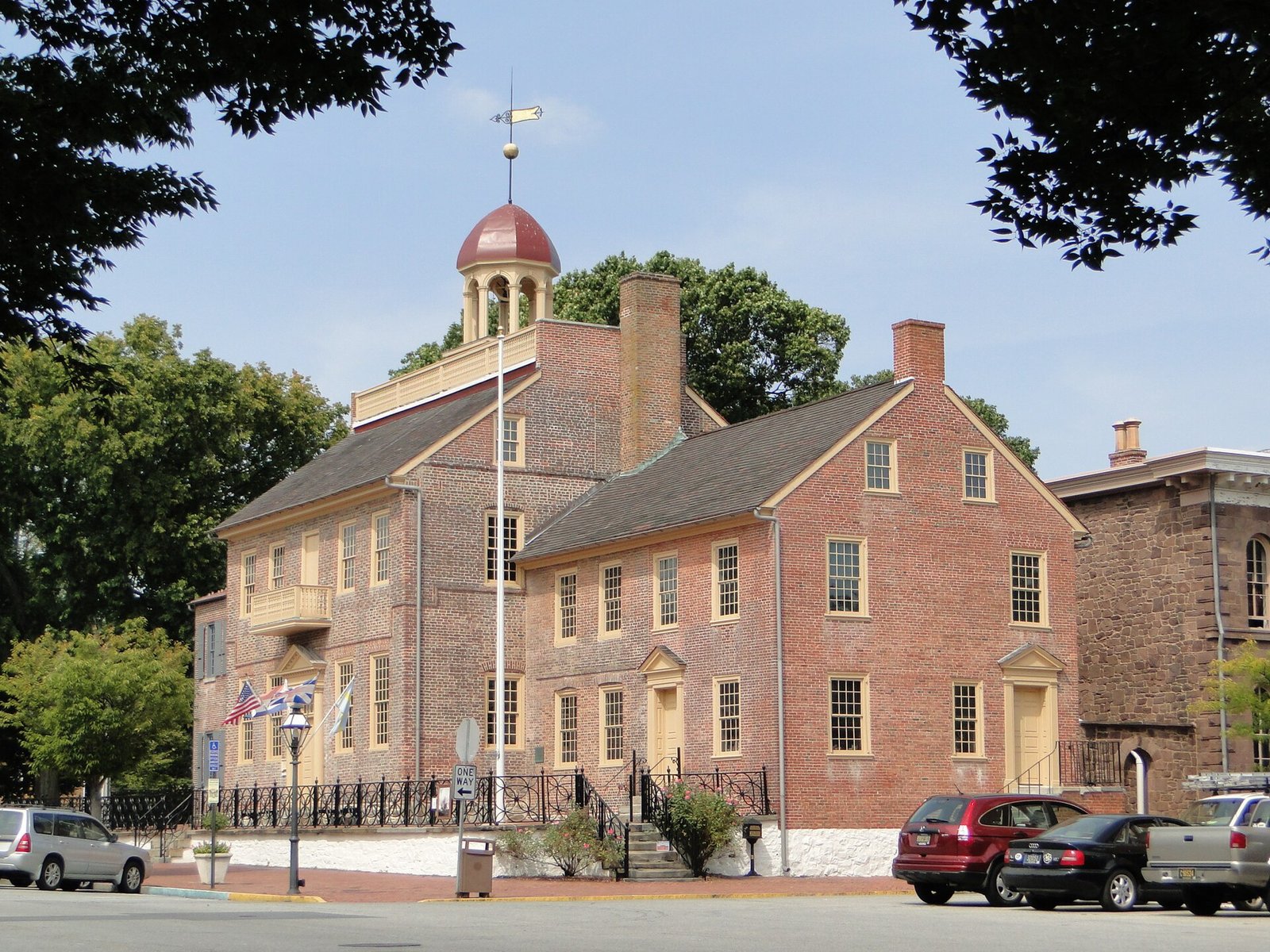
Google has occupied 6 Pancras Square on the eastern edge of King’s Cross as a tenant since the building went up. On Nov. 24 the company said it plans to buy the property outright, a change of legal status that matters more than it sounds like it should, because owning a building is how a technology company tells a city that it intends to stay.
The purchase is part of a larger plan for the neighborhood. Google said the investment will sit alongside its Central Saint Giles offices and a project known as Platform 37, which is due to open shortly, and that the three together will form a significant AI research and development hub. The company expects the space to hold thousands of employees working on Gemini, on Search and on YouTube.
The scale is worth stating plainly. Thousands of desks is the footprint of a mid-sized university, and it is being assembled in a district that already contains the Francis Crick Institute, the British Library and a dense cluster of AI labs within walking distance of each other. King’s Cross was a goods yard two decades ago. It is now the closest thing Europe has to a company town for machine learning.
Google’s presence there has roots that predate the current boom. DeepMind, the London lab that became the engine of the company’s AI research, was built in the city rather than imported to it, and its alumni staff a meaningful share of the startups now renting space nearby. When Google expands in London, it is not opening a sales office. It is enlarging a research base that happens to be in Britain.
Ownership changes the arithmetic of that decision. A tenant can shrink a footprint when a lease expires. An owner has to sell, and a sale of a large building is a public event that takes months and signals a strategy. Companies rarely buy real estate in a capital city to make a point, but the point is made anyway.
The timing is also a bet on the labor market. AI researchers are among the most mobile professionals in the world, and the constraint on hiring them is rarely salary. It is whether they want to live where the job is. London offers a dense research community, an immigration regime that has been adjusted repeatedly to admit technical staff, and a time zone that overlaps with both California and India.
There is a commercial logic underneath the civic one. Google’s British operations are large enough that the company reports on them separately from time to time, and the UK is one of a small number of markets where its search business faces genuine competitive pressure. A bigger engineering presence in the country is a way of building products closer to the regulators and users who shape them.
That regulatory context is not incidental. Britain has spent the past few years designing rules for AI, online safety and competition in digital markets, and it has done so with an eye on attracting investment rather than on maximizing fines. For a company that has been fined heavily in Brussels, a government that wants to be a partner is a reasonable place to put several thousand engineers.
The counterweight is cost. London property is expensive, and the buildings Google is assembling are in one of the most contested development zones in the city. Buying at the top of that market is a commitment that has to be justified by productivity rather than by rent, and productivity is exactly what hybrid work has made difficult to measure.
There is also the question of whether offices still do the job they were built for. Google has been among the more vocal employers on attendance, tying it to performance reviews in some units, and a campus designed for collaboration assumes that people arrive. A building is a fixed asset in a business where the most valuable asset walks out at six o’clock.
Set against that, the company’s rivals are making similar moves in the same city, and the market for AI talent in London has tightened accordingly. Anthropic, OpenAI and a long list of smaller labs have opened or expanded offices there, several of them within a few minutes’ walk of Pancras Square. Proximity is how this industry recruits: the researcher who leaves one lab tends to join one that is reachable on foot.
The neighborhood has been through this before. The redevelopment of the railway lands behind King’s Cross was planned with offices, housing and a university building in mind, and the technology tenants arrived later than the master plan expected. Google was the first of them, and the fact that it is now buying rather than leasing suggests the district’s second decade will look different from its first.
Nothing in the announcement set a price, and Google described the purchase as part of an ongoing expansion rather than as a completed transaction. Planning and ownership details will follow in the ordinary way, through filings and approvals that take longer than press releases.
What the announcement does settle is that the company’s London footprint is being consolidated into property it controls. For the staff in the building, the visible change may amount to little. For the district, a technology company has stopped renting space in it and started buying the space itself.