
Two prices for one borrower is an unusual thing to see in a credit market, and CoreWeave is producing both at once. Its outstanding bonds yield about 18%. A $4.5 billion loan that Morgan Stanley and Mitsubishi UFJ are preparing to sell on its behalf is being marketed at 7% to 7.5%, with pricing possible as early as next week, according to Bloomberg, which reported the plan on Nov. 25.
The gap is not a mispricing. It is the difference between lending to a company and lending to a contract.
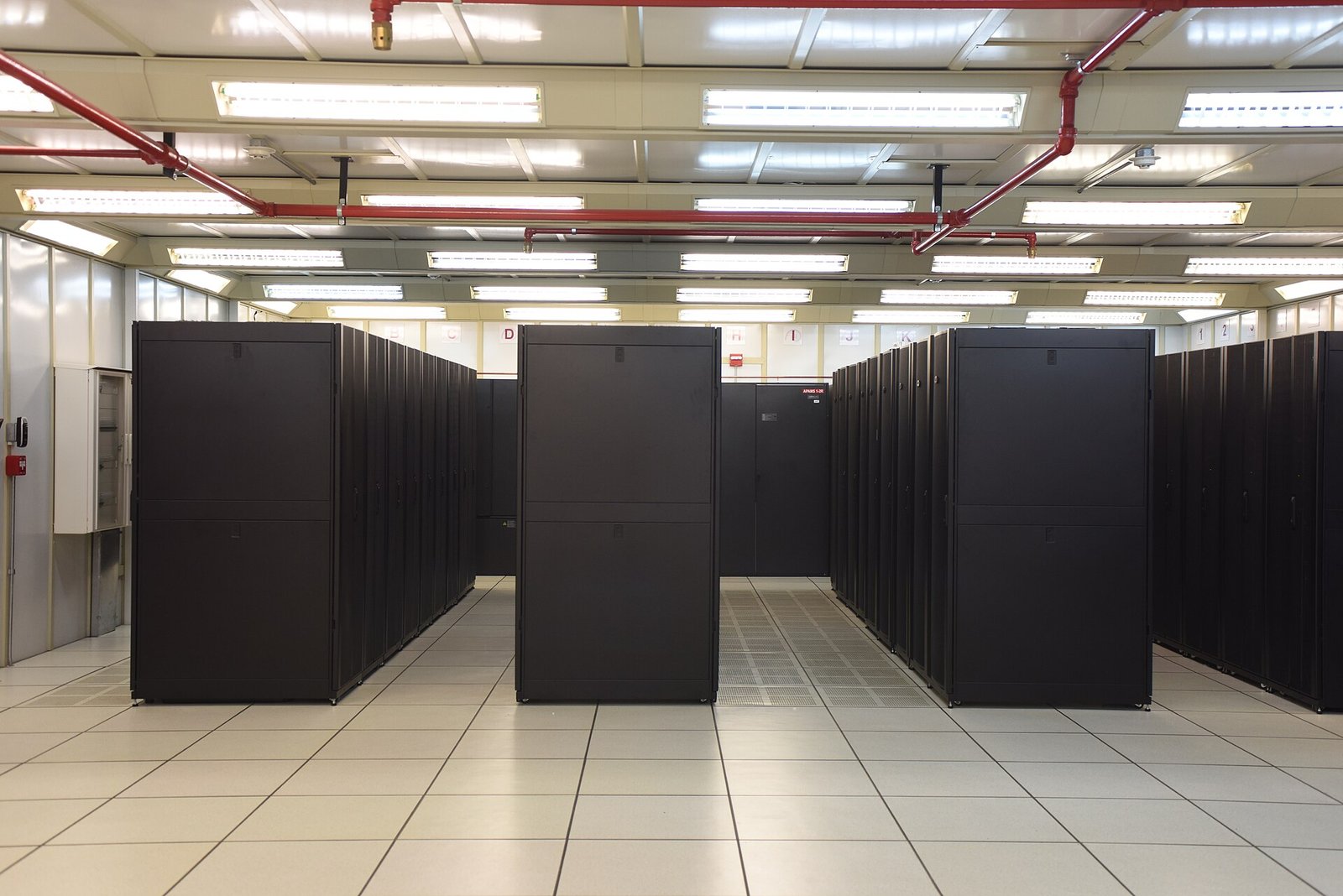
The collateral on the new loan is the hardware. CoreWeave is supplying GPUs to Meta, and those chips secure the borrowing. Money is not handed over at closing but drawn from an escrow account as the build proceeds, and it funds a data center in Dalton, Georgia. CoreWeave’s own corporate rating sits in junk territory; the loan, structured underneath the Meta agreement, is expected to be rated investment grade. Early guidance drew enough interest to cover the size of the deal, according to people familiar with the marketing.
Read the two instruments side by side and the structure becomes the whole argument. A bondholder is lending against CoreWeave’s enterprise, which means against its customer list, its remaining contracts, its ability to keep winning work and the residual value of equipment that is depreciating on a schedule nobody has tested through a downturn. A lender to the secured loan is lending against a receivable owed by Meta, with the chips as backstop and an escrow that releases cash only as construction reaches agreed stages.
That is project finance wearing a different set of clothes. The credit being extended is not really CoreWeave’s. It is Meta’s, intermediated by a company that assembles the buildings and the racks, and the rating follows the credit rather than the assembler. The same logic explains why the escrow matters more than the collateral: a lender who controls the draw schedule does not have to rely on the borrower’s judgment about how fast to spend.
The equity market has been slower to accept the distinction. CoreWeave’s five-year credit default swaps posted a record one-day move, and the yield on its existing debt has climbed toward levels that imply a meaningful probability of distress. Those two readings can both be right at once: the contract-backed loan is safe and the company carries a heavy debt load, because the loan is one claim on a balance sheet that carries others, and the secured lender stands ahead of everyone else in a restructuring.
What the structure does not fix is the part that depends on the chips. GPU values fall as new generations ship, and the collateral is only worth what a buyer will pay for those specific parts at the moment of a default. Meta’s contract presumably specifies who bears that risk, but the terms are not public, and the length of the commitment and the conditions under which Meta could walk away are the details that would decide how the loan performs in a bad scenario. Investors in the deal see them. The rest of the market sees a rating and a spread.
The financing also says something about how AI capacity is being paid for. The first wave of data center construction was funded by the operators’ own cash flow, which was plentiful while the cloud business was growing and the equipment was scarce. The second wave is being funded by contracts: a hyperscaler commits to buy capacity, a builder borrows against the commitment, and the lenders’ exposure is to the hyperscaler’s balance sheet rather than the builder’s. Meta is one of the largest of those counterparties, which is why a loan to a junk-rated company can price near investment grade.
For CoreWeave the arithmetic is compelling. Borrowing at 7% to build capacity that is leased at a return above that number is a profitable trade, as long as the lease holds and the equipment stays in service long enough to be paid off. Borrowing at 18%, which is what the unsecured market is charging, would not be. The secured structure is not a convenience; it is the only way the next phase of construction gets financed at a cost that works.
The risk sits in the assumptions stacked underneath. One is that GPU depreciation is slower than the schedule the lenders use. Another is that Meta’s demand for the capacity does not change, which depends on Meta’s own capital spending plans and on whether its models keep needing the same kind of cluster. A third is that the resale market for these parts stays liquid, which is a bet on the shortage lasting.
Analysts said the deal will be watched as a template as much as a transaction. If a Meta-backed loan prices at 7% to 7.5% next week, the next builder with a hyperscaler contract will expect similar terms, and the market for AI infrastructure debt will start to price contracts rather than companies. If it prices wider, or if the deal struggles, the opposite lesson gets learned: that a contract is only as good as the counterparty’s willingness to keep performing when the capacity it committed to is no longer scarce.
For now the loan is in the market and the bonds are still yielding 18%. The same borrower, two prices, and a spread that measures how much of CoreWeave’s future the contract is expected to carry.



