• July 13, 2026
  • 4 views
Gas-Turbine Prices Triple as AI Data Centers Strain the Grid

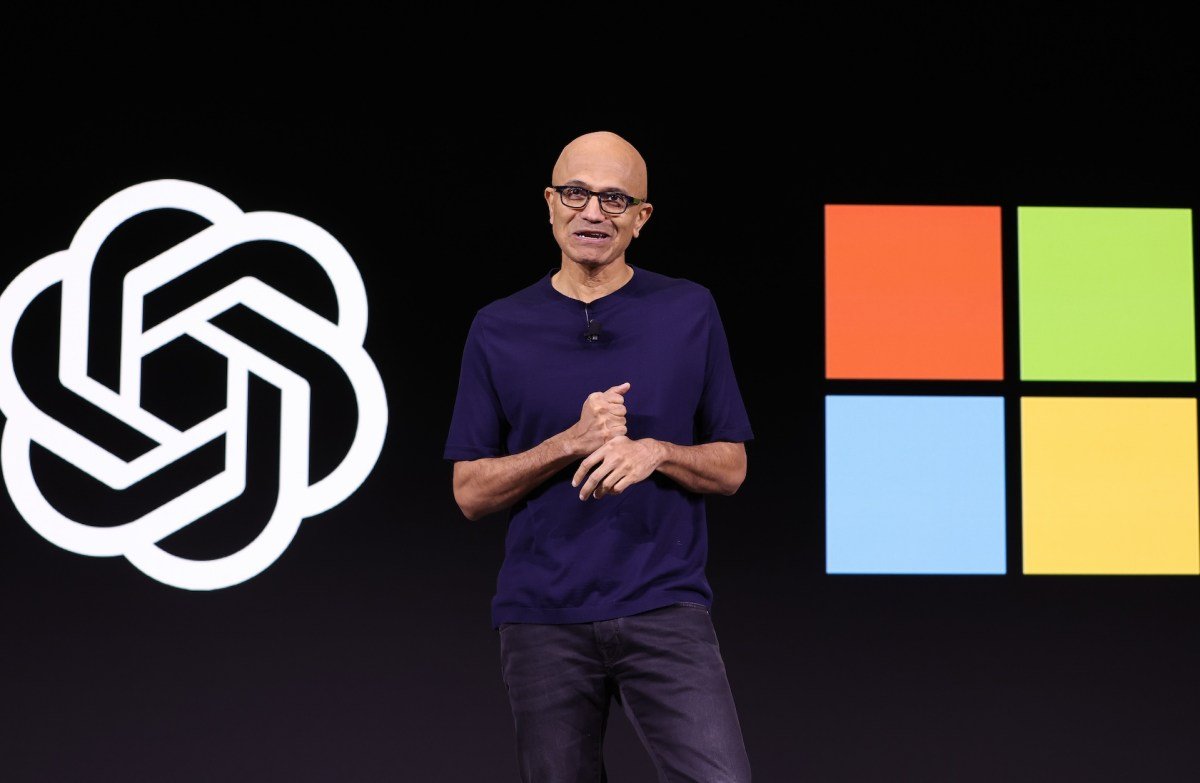
A few weeks ago, Microsoft Corp. ordered seven large gas turbines from GE Vernova to power data centers in Texas. Each unit carries a price tag above $250 million, and…

  • July 13, 2026
  • 4 views
Four States Sue Meta for $1.4 Trillion Over Teen Users Four U.S. states have filed suit against Meta Platforms Inc., accusing the company of using addictive algorithms to hook minors and of concealing the mental-health effects of its products. The damages sought run as high as $1.4 trillion, one of the largest figures ever attached to a state consumer-protection action. Combined with earlier cases, lawsuits by 29 states are now pending against the company over the same set of allegations. The new complaints, filed in state courts, describe a company that tuned its recommendation systems to maximize the time young users spend in its apps, then withheld internal research that linked heavy use to anxiety, depression and disrupted sleep. The states argue that Meta knew about the harms and chose engagement metrics over the welfare of its youngest users. Attorneys general leading the cases said the evidence includes internal documents and former-employee testimony gathered over years of investigation. Meta denied the allegations and said it would fight the cases. The company points to parental controls, age-verification tools and content safeguards it has added in recent years, and argues that the platforms now have protections that did not exist when the conduct alleged in the complaints occurred. A spokesman called the lawsuits a repetition of claims that courts have already rejected in part. The $1.4 trillion figure is calculated, the states say, on the basis of the profits Meta earned from minors and the cost of the harm to families, including treatment for conditions that research has linked to social media use. Legal experts said the number is designed to make a point rather than to survive scrutiny. Damage awards in such cases are rarely set at the ceiling, but the size of the claim gives the states negotiating power in settlement talks and keeps the issue in the headlines. Whatever the eventual award, the litigation forces Meta to spend on defense and distracts management from its product agenda, which lawyers for the states said is part of the design. The cases arrive as regulators on both sides of the Atlantic tighten the rules around children’s online safety. In the U.S., state attorneys general have spent years building the evidence base, sharing documents and coordinating legal theories. The push has bipartisan support, and several states have already enacted their own age-verification laws, creating a patchwork that Meta says is impractical to administer. In Europe, the pressure is coming from Brussels. The European Commission has issued a preliminary report under the Digital Services Act calling on Meta to change design features it considers addictive, including autoplay and infinite scroll. If the company fails to address the concerns, it could face a fine of up to 6 percent of its global annual revenue, a penalty that would run into the billions of dollars on Meta’s current sales. Meta has said it is reviewing the commission’s findings and intends to cooperate, but the company’s public posture toward the DSA has hardened in recent years. It has challenged other commission decisions and argued that European rules are being applied to American platforms in ways that disadvantage them against domestic rivals. The autoplay and infinite-scroll features at issue are core to how its apps hold attention, which makes the commission’s demands harder to accommodate than a fine. The two fronts are moving on different timetables. The European process could conclude in a matter of months, with a final decision and a potential fine. The state lawsuits will take years to wind through discovery, motions and trials, and the first of them may not reach a jury until late in the decade. Meta’s defense will lean on the First Amendment, on Section 230 of the Communications Decency Act, and on the argument that the platforms are not the sole cause of the harms young people experience online. Investors have so far taken the legal risk in stride. Meta shares have held their ground through the wave of filings, because the market has priced in years of litigation rather than an imminent judgment. The bigger financial exposure, analysts said, may come from the European track, where the commission can move faster and the penalty is tied to revenue rather than to damages a jury must be convinced to award. The cases also raise questions about how platforms measure success. Internal documents cited by the states describe engagement metrics that were optimized without a full accounting of the effects on young users, a pattern regulators in several countries have begun to investigate. Meta has responded by publishing transparency reports and commissioning its own research, but the company’s critics say the disclosures have not matched the scale of the concerns. The coming discovery phase will determine how much of that internal record becomes public, and both sides expect the fight over documents to be intense. Meta has already won some procedural battles, but the states have prevailed on others, and the volume of material moving between the two sides is growing by the quarter. For Meta, the immediate question is whether the new filings change the politics of the issue. Four more states joining the litigation broadens the coalition, and every added plaintiff makes it harder for the company to argue that the problem is isolated or exaggerated. The company’s answer, so far, is the same in every forum: the claims are wrong, the protections are real, and it will defend the cases on the merits. The courts will decide who is right, and the bills, if any, will come due years from now.

  • July 13, 2026
  • 5 views
Meta Doubles Louisiana Data Center Plans to $50 Billion

Meta Platforms Inc. said it will double its planned investment in a Louisiana data center campus to $50 billion, adding capacity at a pace that would make the project one…

  • July 13, 2026
  • 4 views
TSMC Posts Record Quarter as AI Demand Outruns Packaging Supply

Taiwan Semiconductor Manufacturing Co. reported record revenue for the June quarter, the latest signal that demand for artificial-intelligence chips shows no sign of cooling. June sales jumped 68 percent from…

  • July 13, 2026
  • 4 views
Apple Adds $650 Billion in Market Value as Investors Seek Shelter

The money moving out of artificial-intelligence stocks is landing in an unlikely place: Apple Inc. The iPhone maker has added roughly $650 billion in market value in recent months, according…

  • July 13, 2026
  • 4 views
FAA Clears SpaceX Starship for Flight 13 as Shares Slide From Peak

The Federal Aviation Administration has completed its investigation into the booster failure during SpaceX’s Flight 12 and approved the company to launch Flight 13, according to TechCrunch. The next test…

  • July 13, 2026
  • 4 views
Intel to Add 5 Billion Euros at Irish Plant in AI Push

Intel Corp. said it will invest 5 billion euros, about $5.7 billion, to expand its plant in Ireland, adding advanced-process capacity aimed squarely at the artificial-intelligence chip market. The announcement,…

  • July 13, 2026
  • 4 views
AI Chip Stocks Slide as SK Hynix ADR Struggles After Listing

Artificial-intelligence chip stocks fell across the board this week, with Nvidia Corp., Broadcom Inc. and Advanced Micro Devices Inc. leading the declines, according to Yahoo Finance data. The selloff was…

  • July 13, 2026
  • 4 views
Morgan Stanley Sees Hyperscaler AI Spending Reaching $1.2 Trillion by 2027

Morgan Stanley analysts project that spending by the largest cloud companies on artificial-intelligence infrastructure will reach $1.2 trillion by 2027, according to a report circulated this week and cited by…

  • July 13, 2026
  • 4 views
Cathie Wood Adds SpaceX and Meta, Trims AMD and Roku in ARK Reshuffle Cathie Wood’s ARK Investment Management made significant changes to its portfolios ahead of the second quarter’s end, increasing stakes in SpaceX and Meta Platforms Inc. while cutting positions in Advanced Micro Devices Inc. and Roku Inc., according to Seeking Alpha. The trades fit the pattern the firm has followed since SpaceX’s June IPO: buy the stock on weakness, hold for the long term, and let the technology story play out over years rather than quarters. The SpaceX position is the most distinctive part of the reshuffle. ARK had wanted to own SpaceX before the company went public but could not get access to the private shares it sought, and the IPO finally gave the firm the entry point it had been waiting for. The stock’s decline of about 35 percent from its early high presented the buying opportunity, and ARK added to the position in the belief that the long-term value of the company’s launch business, satellite network and future programs outweighs the short-term volatility of the shares. The Meta addition is a different kind of bet. ARK has been an intermittent holder of Meta, and the firm’s view of the company has shifted as Meta’s AI investment has grown. The trade suggests the firm sees Meta as one of the better-positioned players in the AI build-out, with the cash flow to fund its spending and a core advertising business that remains highly profitable. The recent market volatility in AI names, including the selloff that hit the sector this week, gave ARK a chance to build the position at a price it considered attractive. The AMD reduction is the mirror image. ARK had been a prominent holder of AMD during the chip boom, but the firm has grown more cautious about the competitive dynamics of the AI chip market, where Nvidia’s dominance and the rise of custom silicon have made it harder for challengers to win share. The trim is not a full exit, but it is a statement about relative conviction, and it follows a pattern of ARK reducing positions in companies whose growth rates it no longer expects to justify their valuations. The Roku cut is the most decisive move. Roku has been a longtime ARK holding, and the firm’s thesis on the company was built on the growth of streaming and the value of its platform. The reduction suggests that thesis has weakened, whether because of competition in the streaming market, the economics of the hardware business or the pace of advertising growth. The trade shows that ARK, for all its reputation for patience, does cut its losers when the thesis weakens. The timing of the filings matters for investors who follow ARK. The trades were made before the end of the quarter, and they will be disclosed in the fund’s regulatory filings along with the firm’s other positions, giving the market a full picture of how Wood positioned the portfolios heading into the reporting season. Early reads of the changes have focused on the SpaceX and Meta additions, but the AMD and Roku reductions are equally informative, because they show the firm is willing to rotate within the technology complex rather than simply accumulate it. The reshuffle also has implications for ARK’s performance profile. The funds’ returns have been driven by a handful of large positions, and the recent moves concentrate exposure further in the names Wood believes in most. That concentration cuts both ways: it amplifies gains when the bets work and deepens losses when they do not. Investors who have stayed with ARK have accepted that volatility as the price of the firm’s approach, and this quarter’s trades are consistent with the bargain they signed up for. The reshuffle comes at a moment of broader scrutiny for ARK. The firm’s funds have underperformed their peaks, and Wood’s long-term bets have been tested by a market that has been impatient with the sort of multi-year horizons the firm preaches. The new trades are consistent with the playbook, but they arrive when the firm’s credibility depends on results, and every position change is being read closely by investors who have been waiting for a turn. The trades also reflect ARK’s view of the AI trade’s structure. The firm has been an enthusiastic buyer of AI infrastructure plays, but its recent moves suggest a preference for companies that own their own demand, like SpaceX and Meta, over suppliers that compete for orders, like AMD. That is a subtle but real shift in the firm’s thinking, and it may shape the funds’ performance in the second half of the year. For the companies involved, the ARK trades are marginal to their fortunes. The funds’ positions are small relative to the market capitalizations of SpaceX, Meta, AMD and Roku, and no single investor’s reshuffle changes the fundamentals. But ARK’s public filings are watched for what they say about the firm’s views, and the signal from this round is clear: Wood is betting on the builders of AI’s future infrastructure and trimming the suppliers that have to fight for the business. The strategy has a clear logic and a clear risk. The logic is that the companies ARK added have durable advantages, pricing power or cash flow that will compound over time. The risk is that the market’s impatience with long-duration stories does not ease, leaving the funds to defend positions that keep drifting. Wood has made this bet before, and she has been right more often than her critics admit, though not always on the market’s schedule. This reshuffle is another installment of the same wager.